Clothing Prompts for AI: 20 Aesthetic Outfit Formulas for Brands, Men & Women (Copy & Paste)

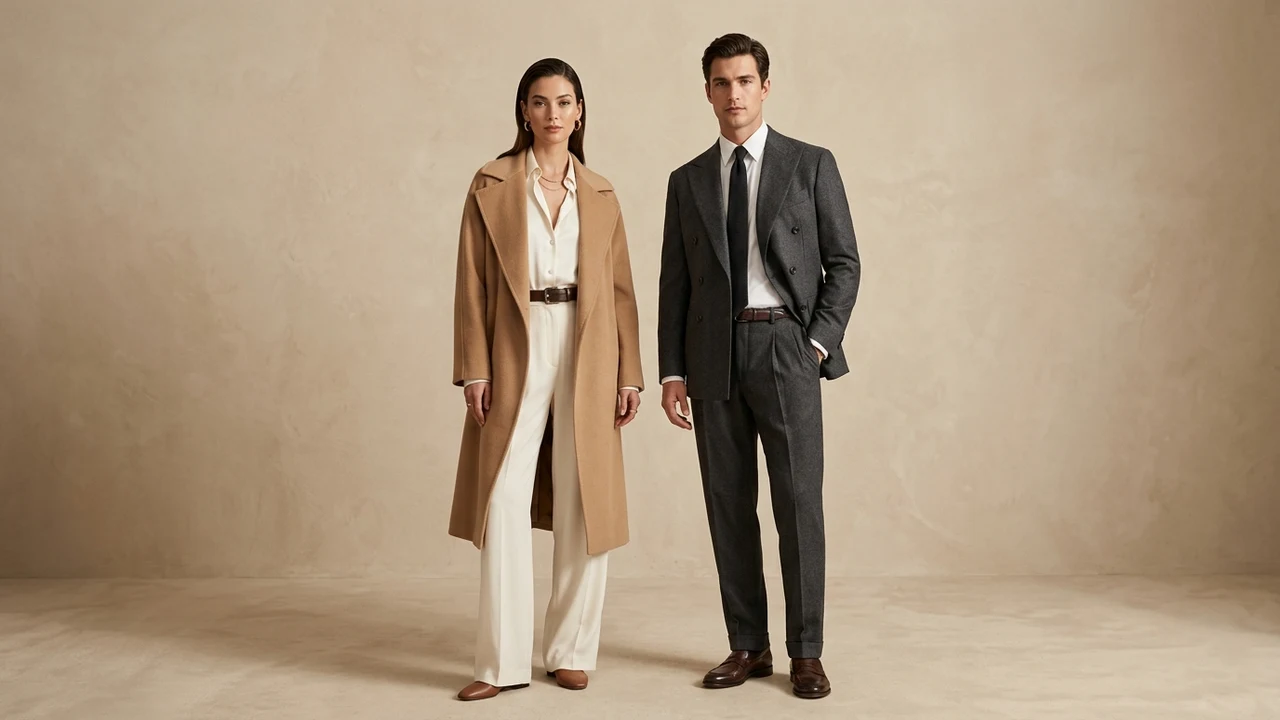
Designing clothing with generative AI has transformed from an experimental gimmick into a powerhouse commercial tool for independent fashion brands, editorial stylists, e-commerce stores, and digital creators. Whether you are building an entire brand lookbook from scratch or generating viral street style portraits for Instagram and Pinterest, mastering the specific terminology of textiles, silhouettes, and lighting is the single differentiator between a flat, rubbery mannequin and an authentic high-fashion campaign.
Generic prompts like "stylish girl wearing fashionable clothes" or "man in nice suit" universally produce plastic skins, unbranded garments, and nonsensical fabric physics. Modern AI diffusion models like ChatGPT (DALL-E 3), Midjourney v6.1, and FLUX.1 require concrete garment engineering keywords: exact fabric weights (such as 500 GSM loopback cotton), structural tailoring terms (like Neapolitan spalla camicia shoulders or bias-cut silk charmeuse), and authentic optical hardware (like mother-of-pearl buttons and Fidlock buckles).
Below is our curated library of 20 viral clothing prompts for AI covering minimal quiet luxury, Savile Row bespoke suits, Japanese selvedge denim, liquid silk evening wear, urban techwear, Scandinavian knits, and streetwear brand staples. Simply copy, customize with your brand details, and paste directly into ChatGPT, Midjourney, or Gemini.
1. Minimalist Quiet Luxury Cashmere Ensemble (Women)
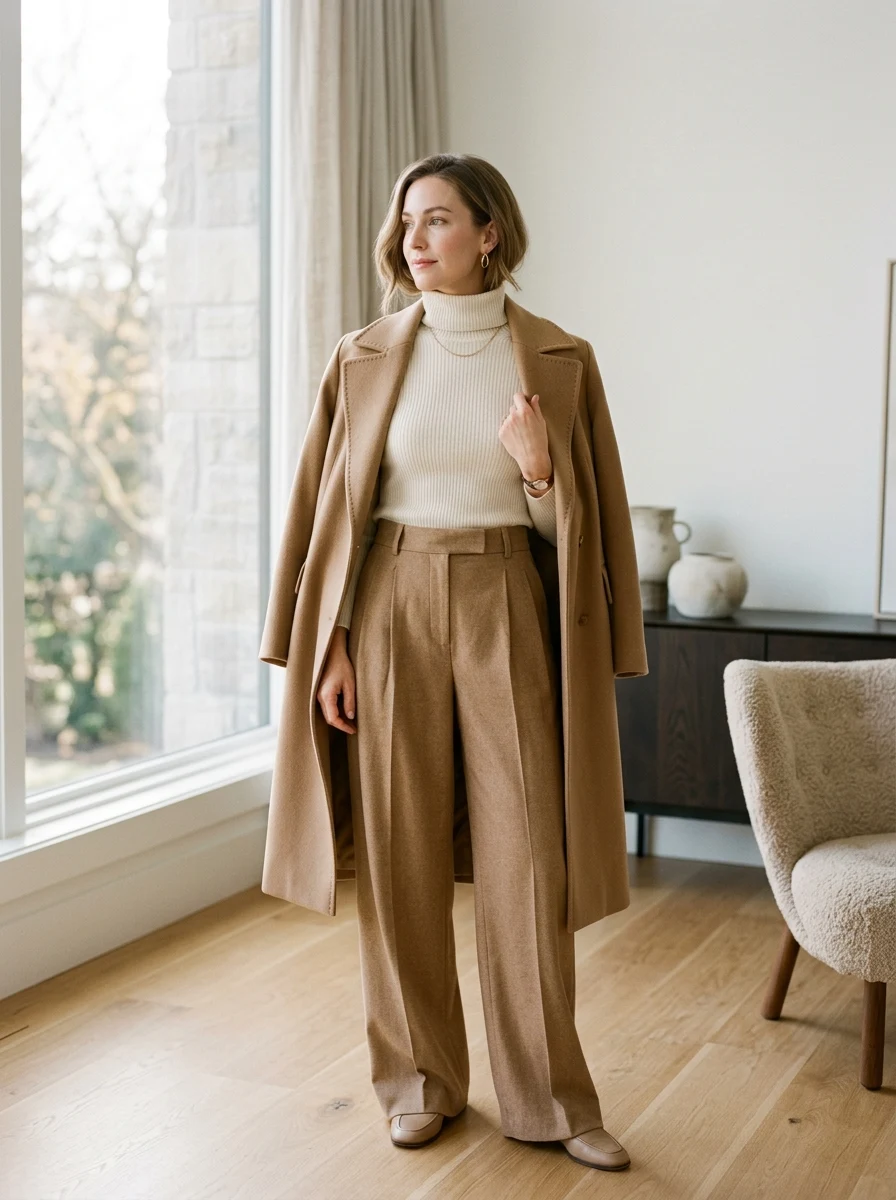
Quiet luxury relies on organic fiber texture and unhurried tailoring rather than loud logos. Specifying chunky ribbed cashmere and double-faced camel wool forces AI rendering engines to calculate tactile weave displacement, creating realistic fabric drape and eliminating the overly smooth, plastic look common in generic prompts.
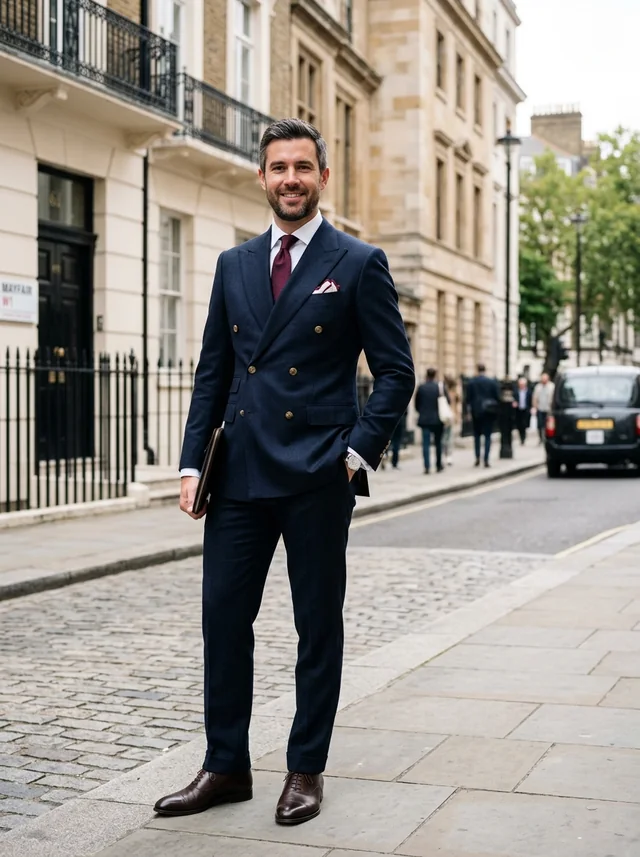
2. Bespoke Savile Row Double-Breasted Flannel Suit (Men)
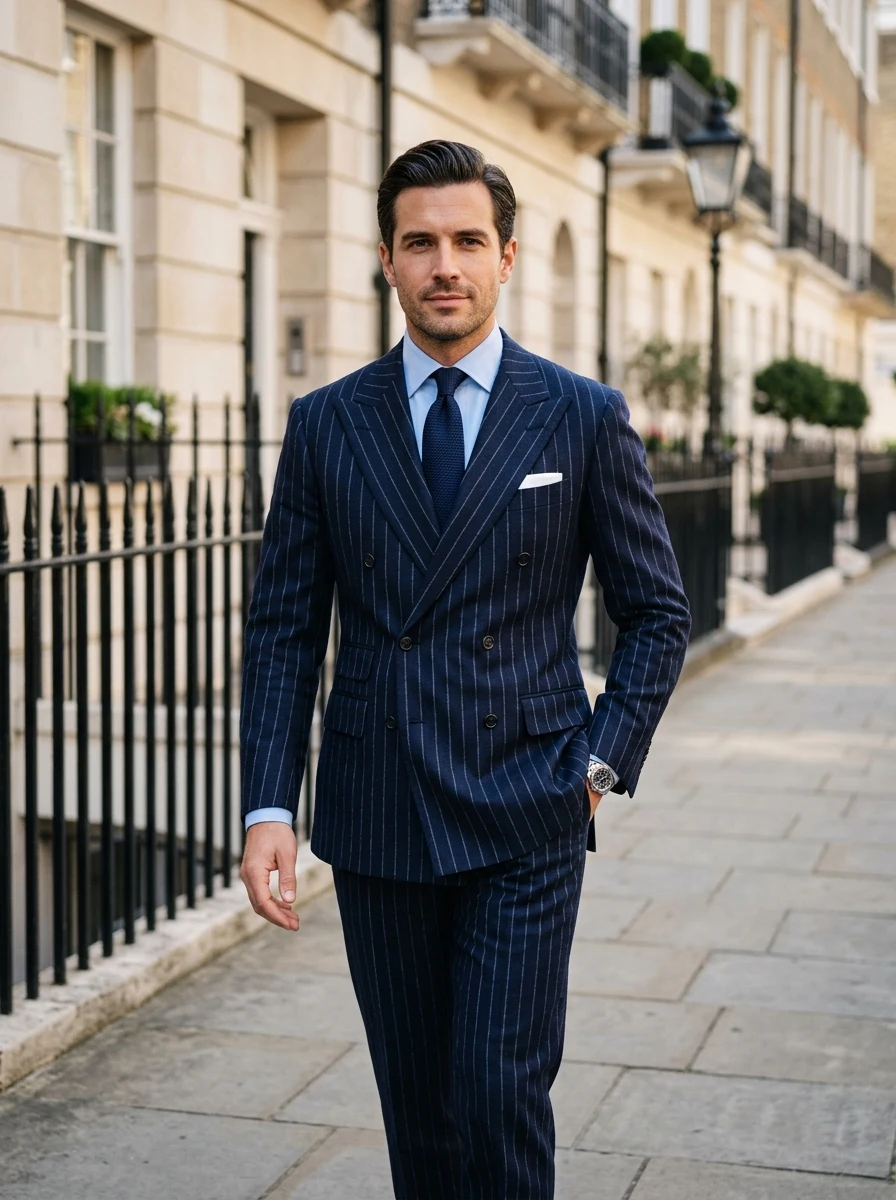
Sartorial menswear prompts succeed through micro-tailoring terminology. Including roped shoulder heads, 6x2 double-breasted closure, and silk grenadine necktie guides ChatGPT and Midjourney into generating authentic bespoke proportions rather than boxy off-the-rack business suits.
3. High-End Japanese Raw Selvedge Denim Apparel (Men & Unisex)
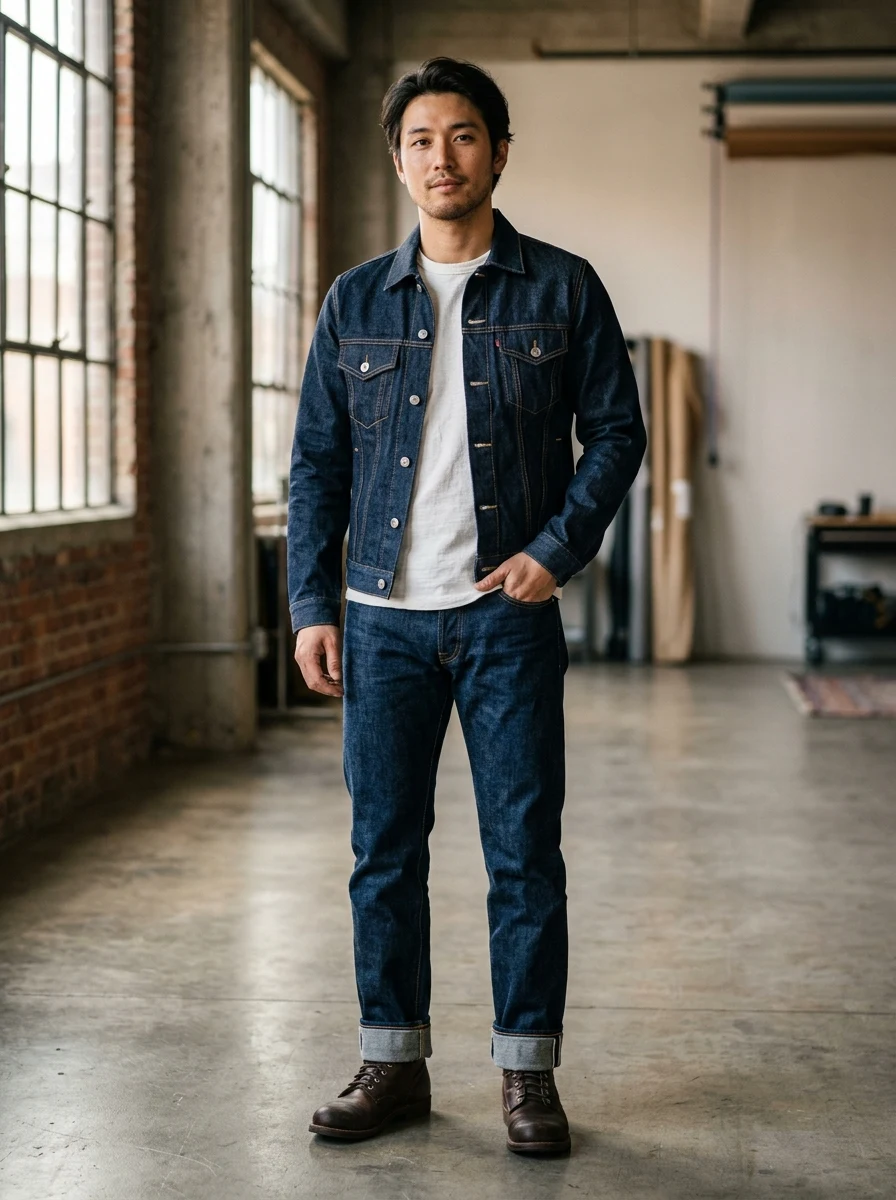
Selvedge denim requires specific physical keywords. Specifying shuttle-loomed 14oz raw indigo and ochre chainstitching delivers the stiff, architectural structure and textured slub yarn surface that denim enthusiasts expect in high-end brand lookbooks.
4. Editorial Liquid Silk Slip Dress & Oversized Blazer (Women)
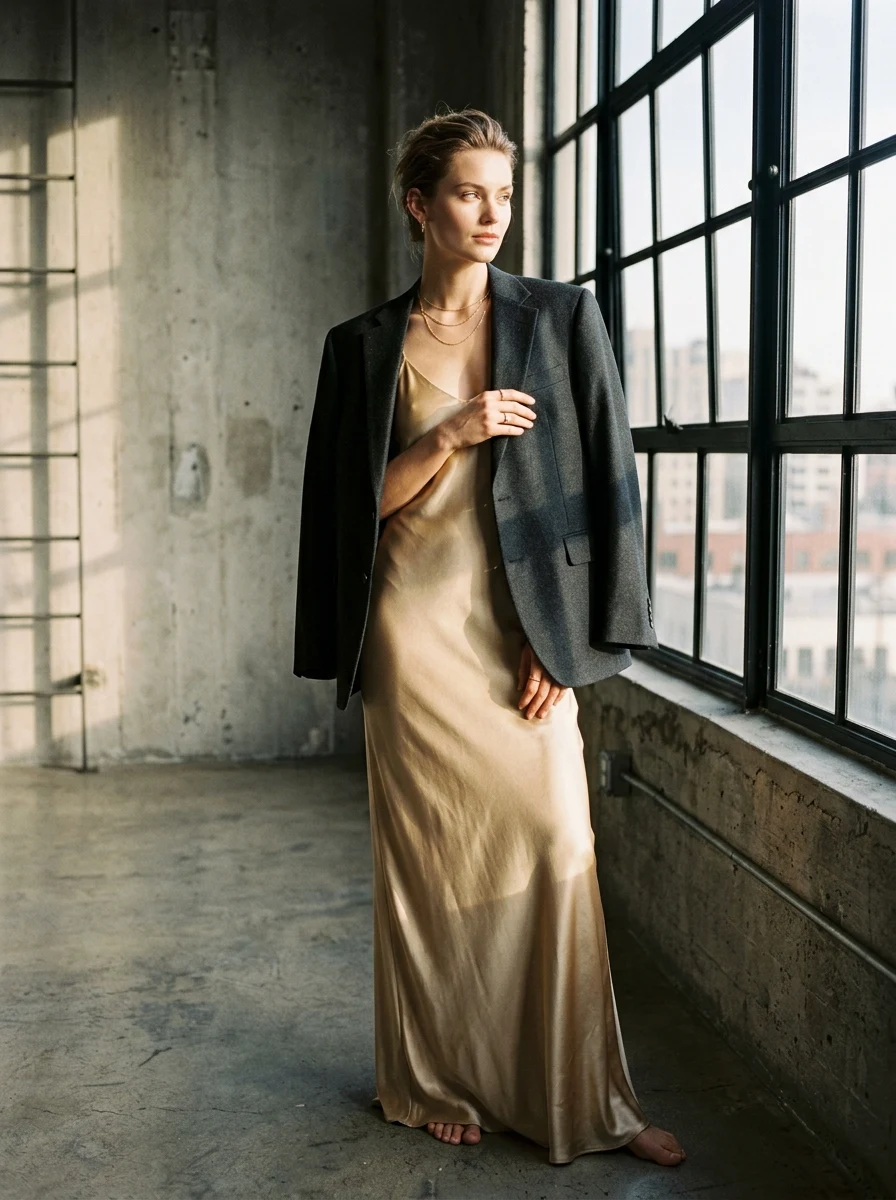
High-fashion editorials balance hard and soft textures. The contrast between liquid bias-cut silk charmeuse and structured charcoal wool twill produces rich surface specular dynamics that make AI lookbook images look like genuine high-budget magazine spreads.
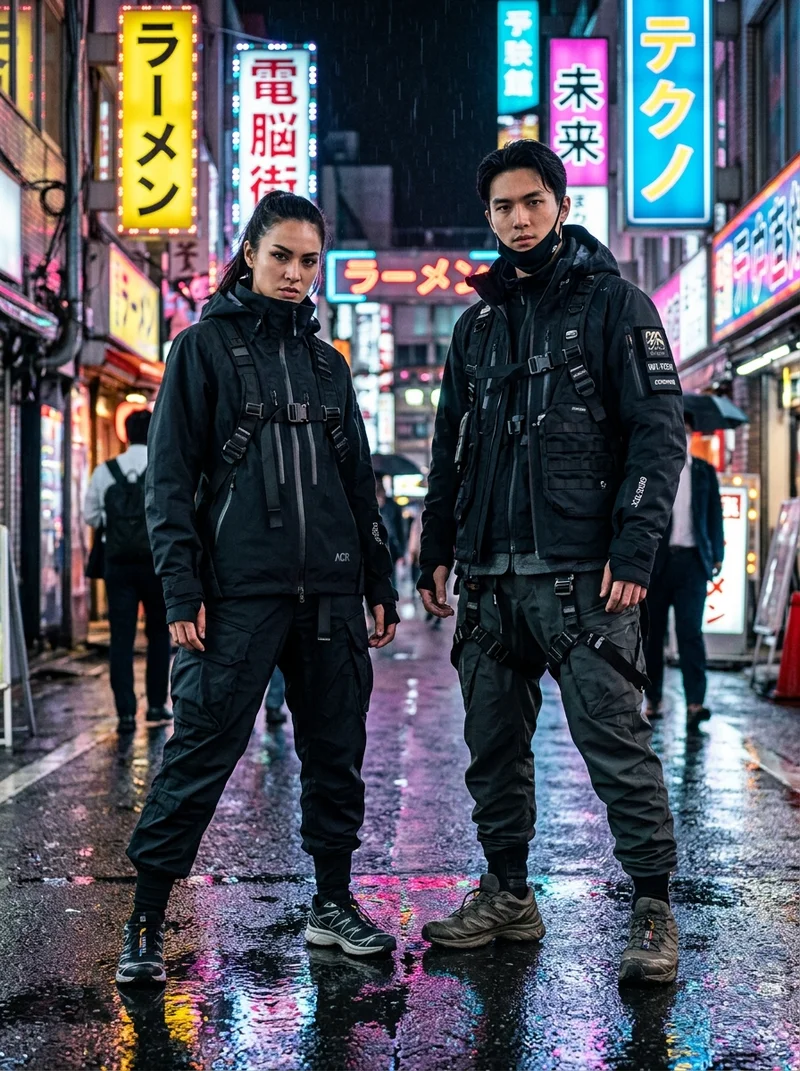
5. Urban Techwear & Weatherproof Technical Utility Apparel (Streetwear Brand)
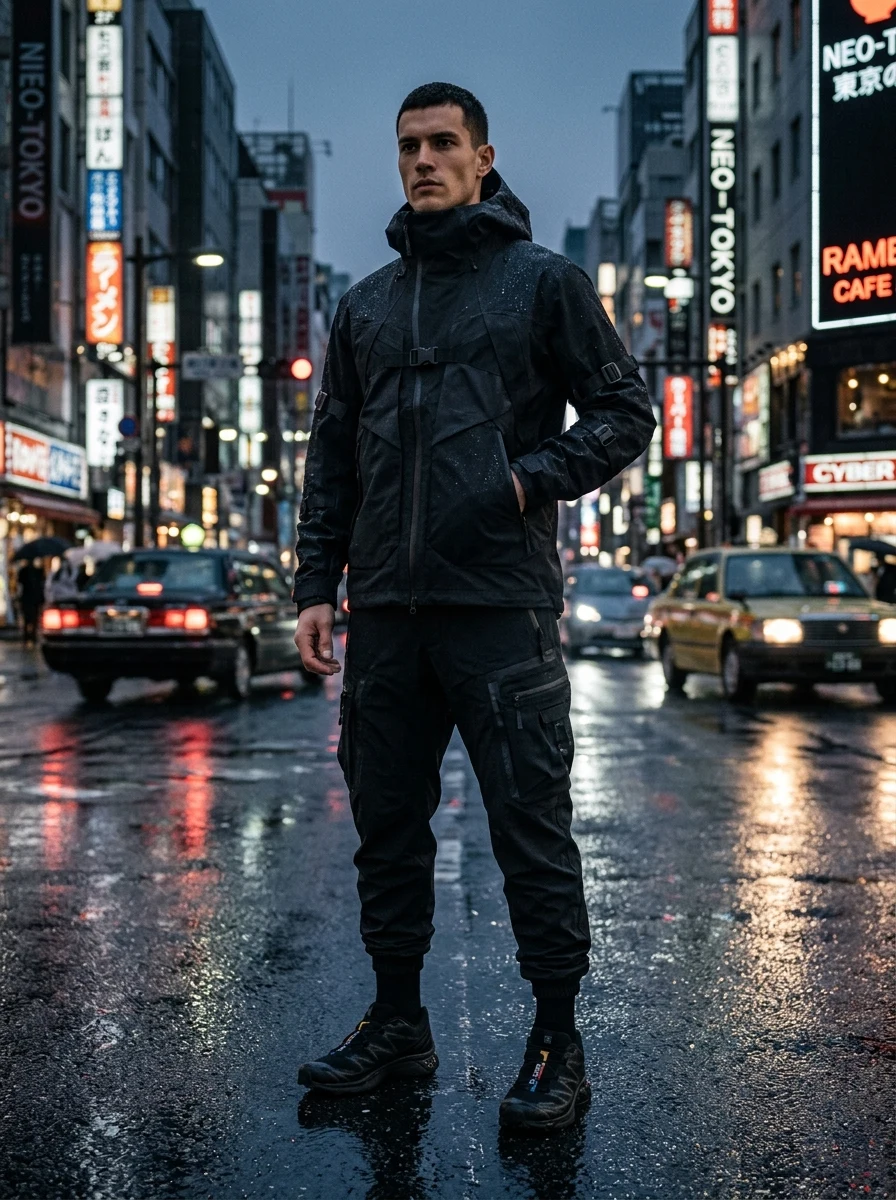
Techwear imagery requires precision hardware descriptors. Using Fidlock magnetic fasteners, Schoeller fabric, and Aquaguard taped zippers prevents AI engines from outputting generic coats, yielding technical apparel with sharp industrial utility details.
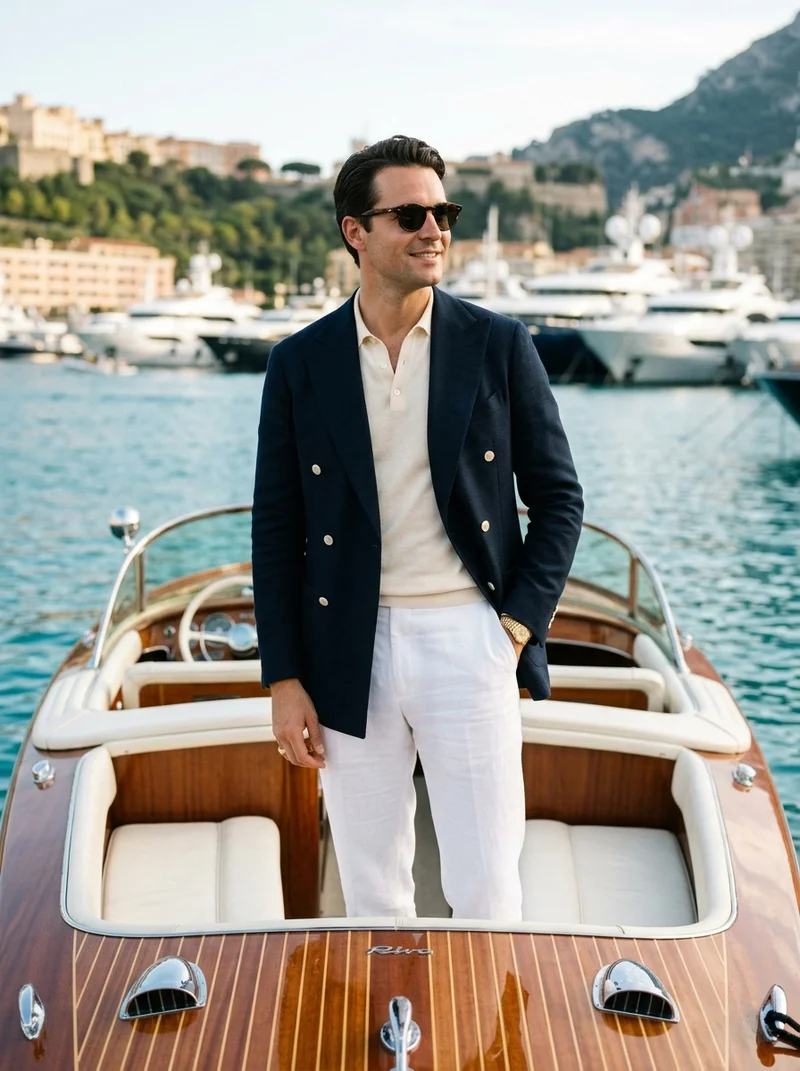
6. French Riviera Coastal Linen Resort Set (Men)
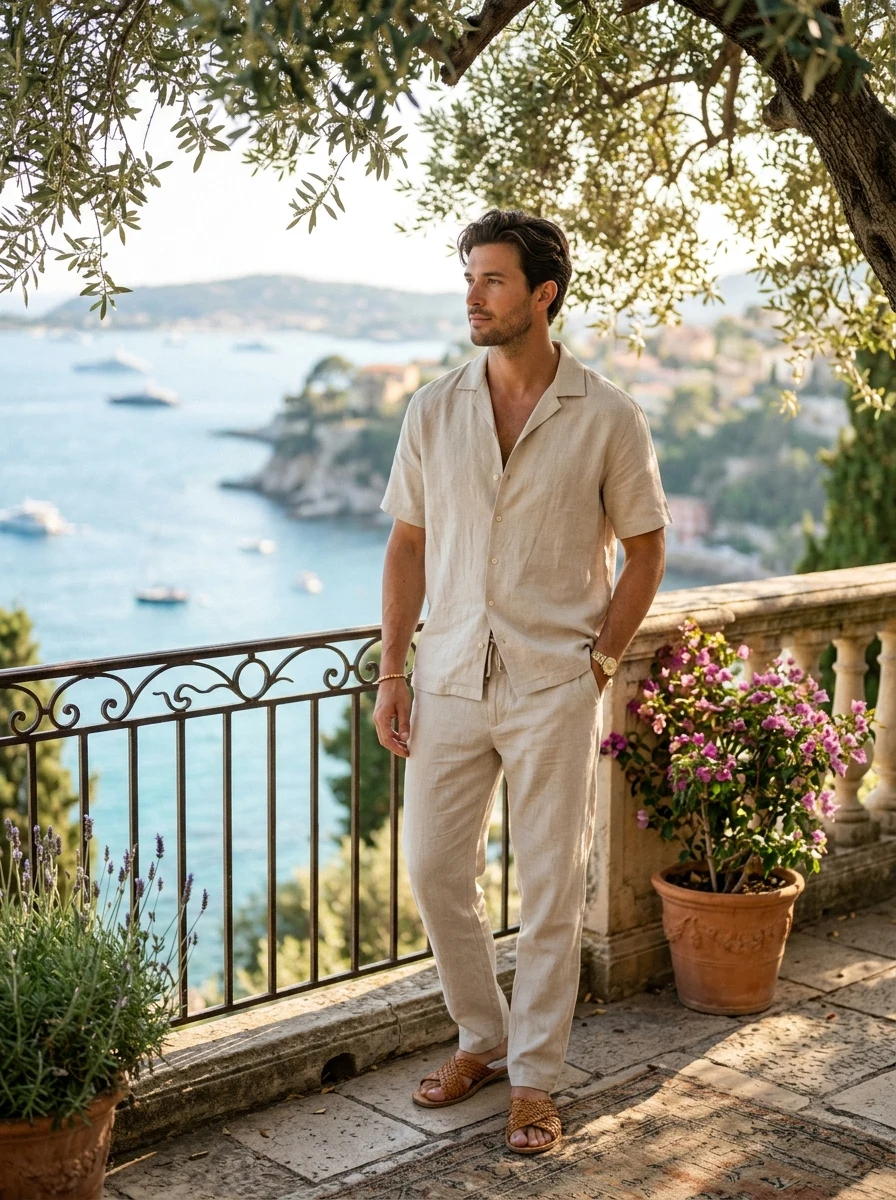
Linen photography requires relaxed organic micro-creasing. Specifying oat-colored pure linen camp-collar and mother-of-pearl buttons ensures that natural fabric wrinkles appear deliberate, high-end, and breezily luxurious rather than messy.
7. Bohemian Cottagecore Broderie Anglaise Sundress (Women)
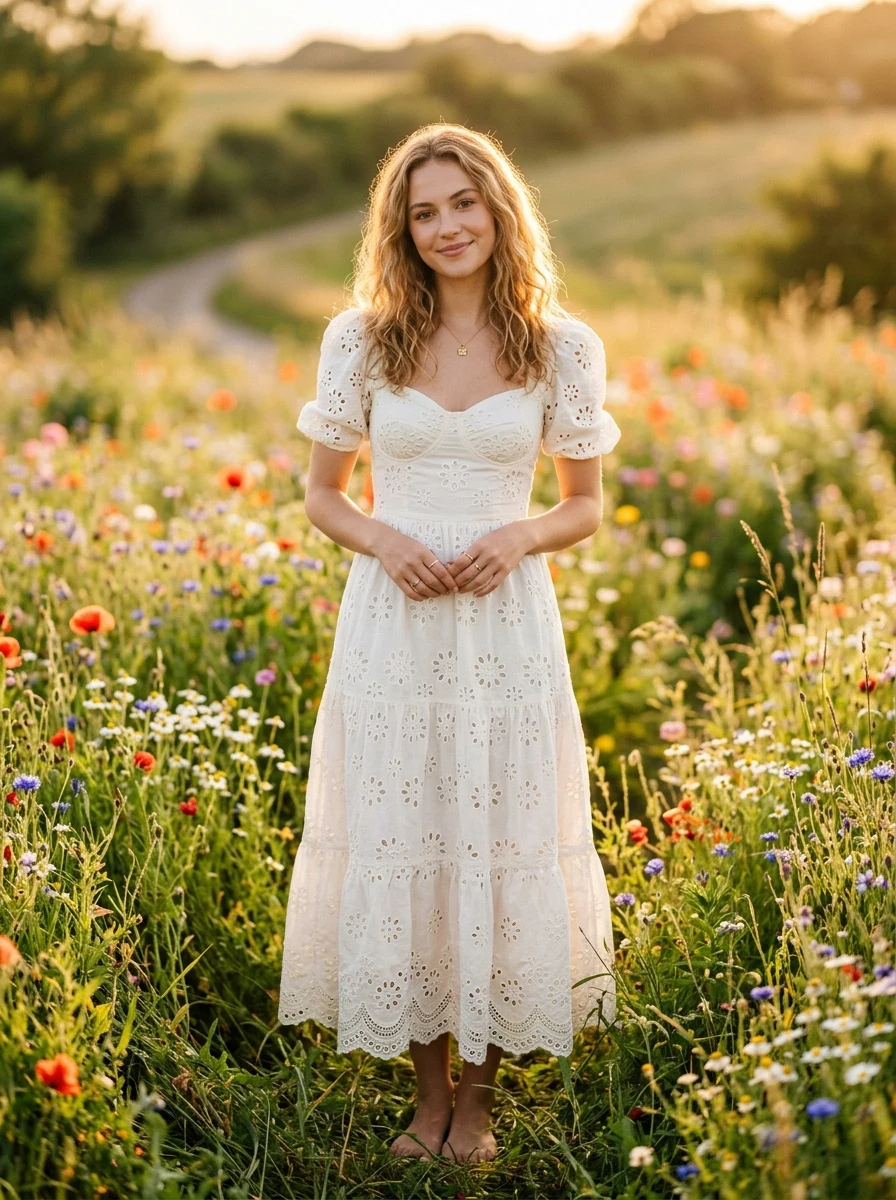
Broderie Anglaise prompts test AI embroidery capabilities. Terms like eyelet cutwork embroidery and scalloped hemline prompt diffusion models to produce precise translucent light penetration through the fabric pattern, delivering authentic romantic summer aesthetics.
8. Athleisure Seamless Sculpt Activewear (Fitness Brand)
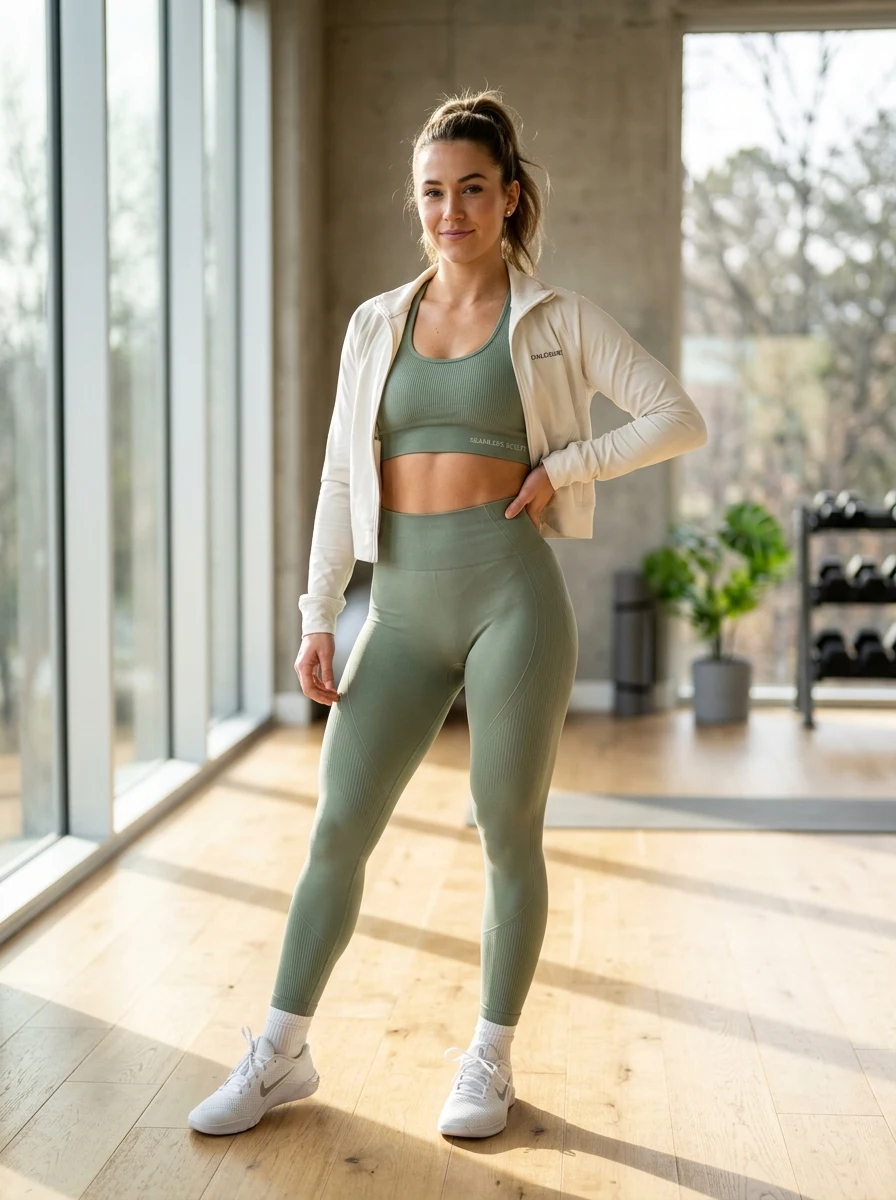
Activewear clothing brands demand functional anatomical accuracy. By prompting for seamless sculpt compression, square-neck ribbed sports bra, and contour knit ribbing, AI tools avoid painting unnatural rubbery textures and instead recreate modern premium fitness fabrics like Lululemon or Alo Yoga.
9. Cyberpunk Harajuku Neon Streetwear (Alternative Brand)
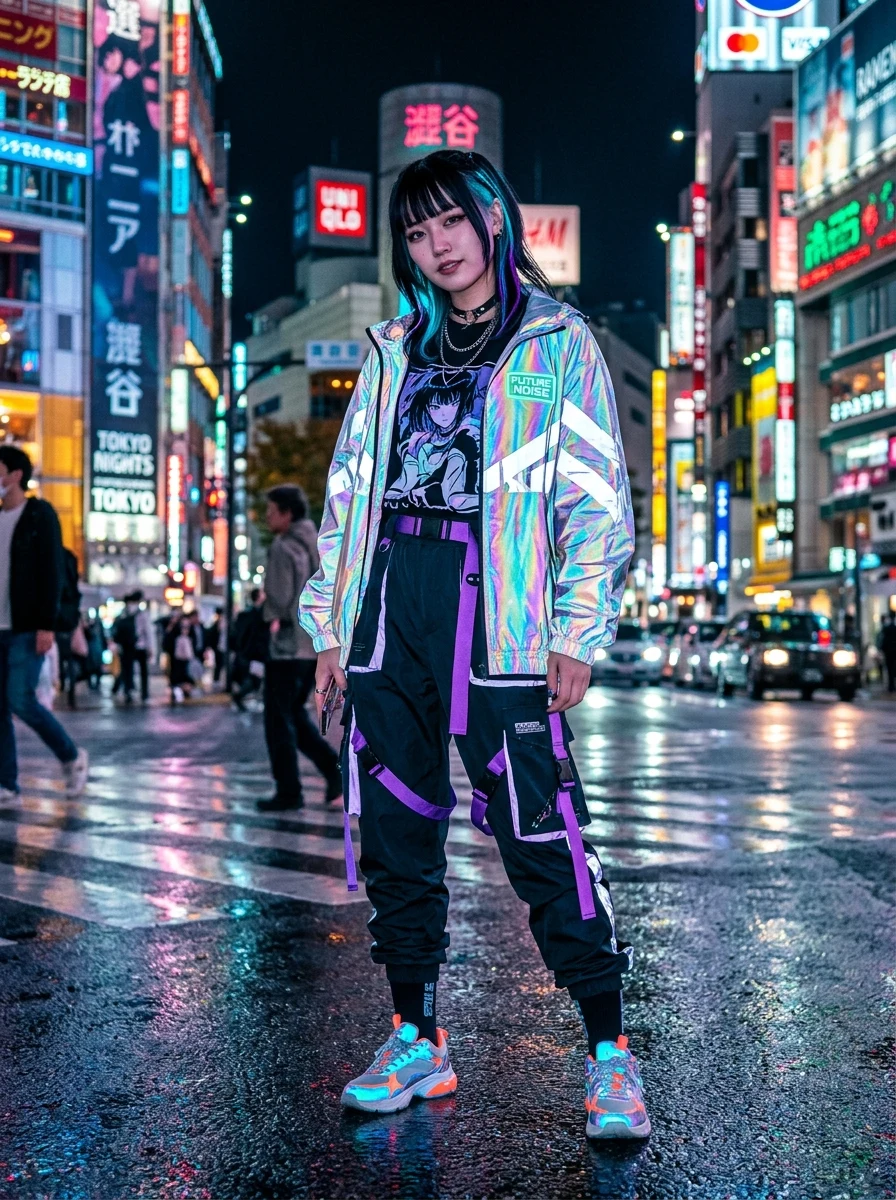
Cyberpunk and alt streetwear require multifaceted materials. Specifying iridescent holographic nylon and reflective silver typography stimulates complex raytraced environmental reflections from neon lights, creating striking depth for young streetwear lookbooks.
10. Old Money Italian Sartorial Linen Blazer (Men)
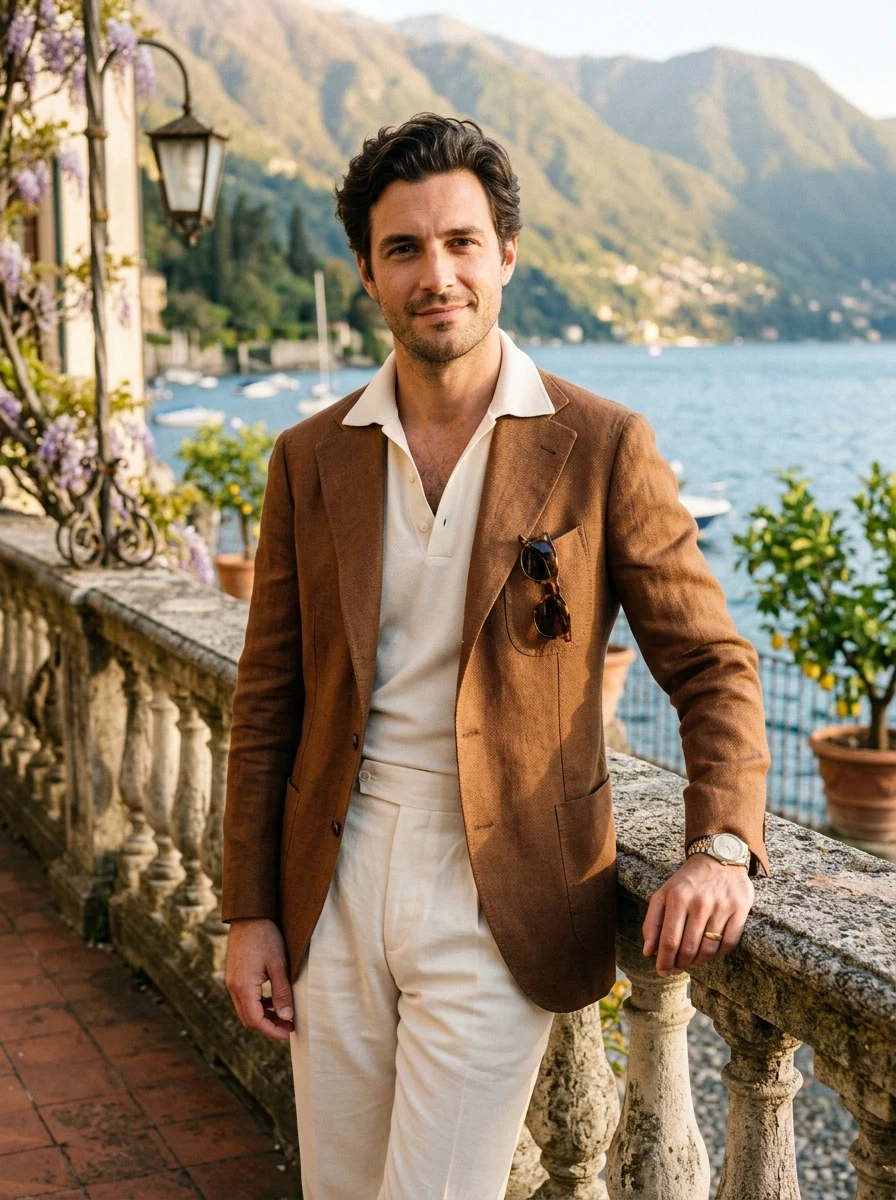
The Neapolitan spalla camicia (shirt-style shoulder) is the gold standard of relaxed Mediterranean luxury. Naming unconstructed hopsack weave and double-pleated trousers signals authentic bespoke tailoring that avoids stiff corporate silhouettes.
11. Haute Couture Sculptural Organza Ballgown (Luxury Brand)
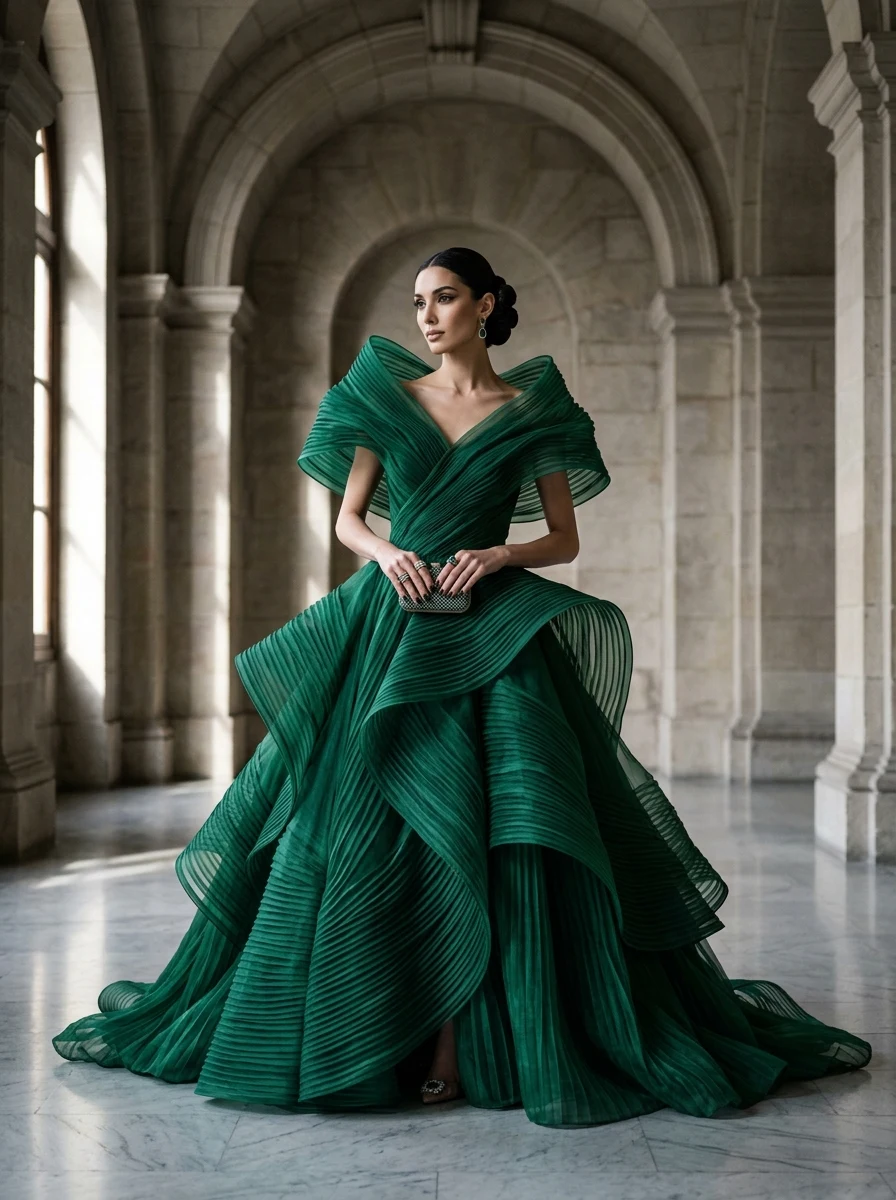
High-fashion couture demands structural stiffness alongside fabric translucency. Specifying silk organza with sculpted waves and boned corset bodice ensures that the AI creates dramatic structural volume that floats with elegant stiffness rather than limp draping.
12. Vintage 90s Grunge Distressed Leather & Flannel (Unisex)
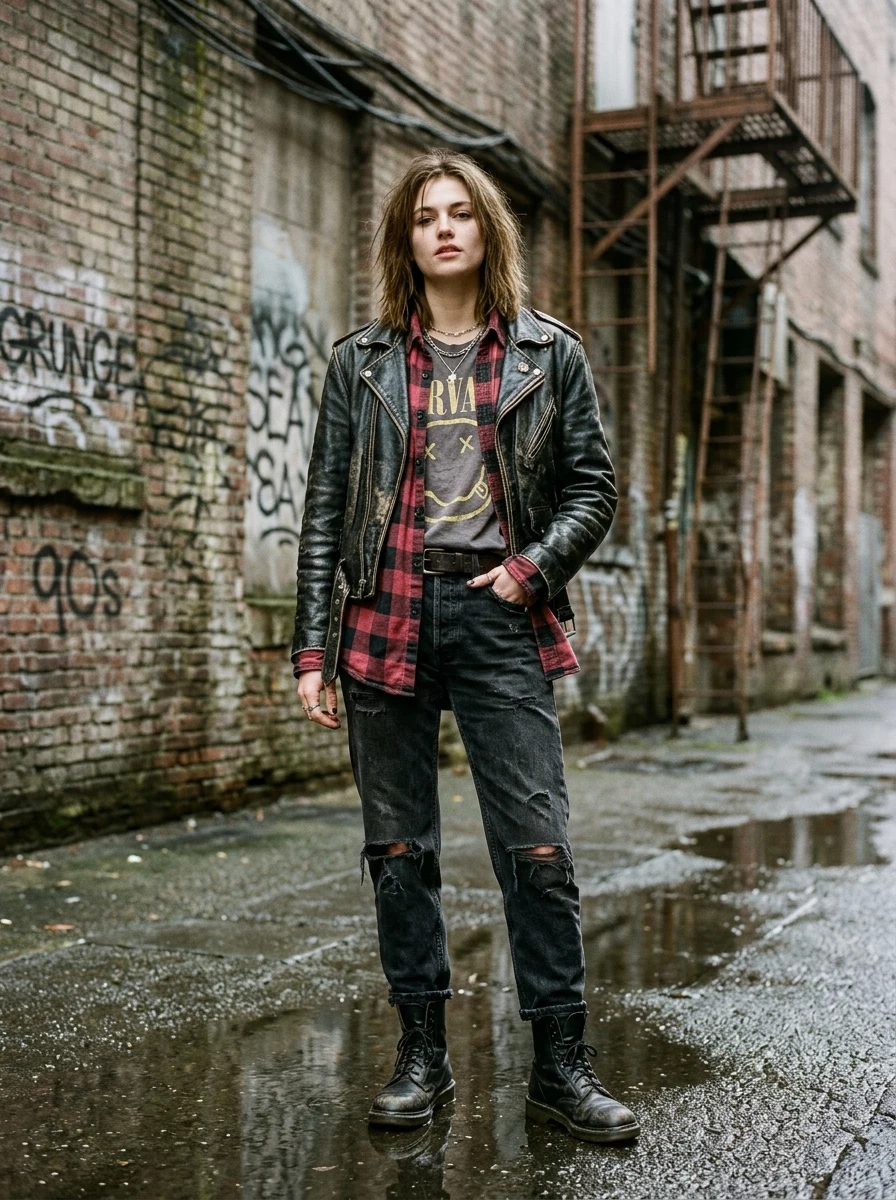
Authentic grunge relies on distressing cues. Pairing heavily distressed vintage leather with faded buffalo plaid flannel directs the AI away from pristine modern leather, injecting genuine retro character, scuffs, and natural lived-in charm.
13. Modern Scandinavian Chunky Knit & Pleated Wool Skirt (Women)
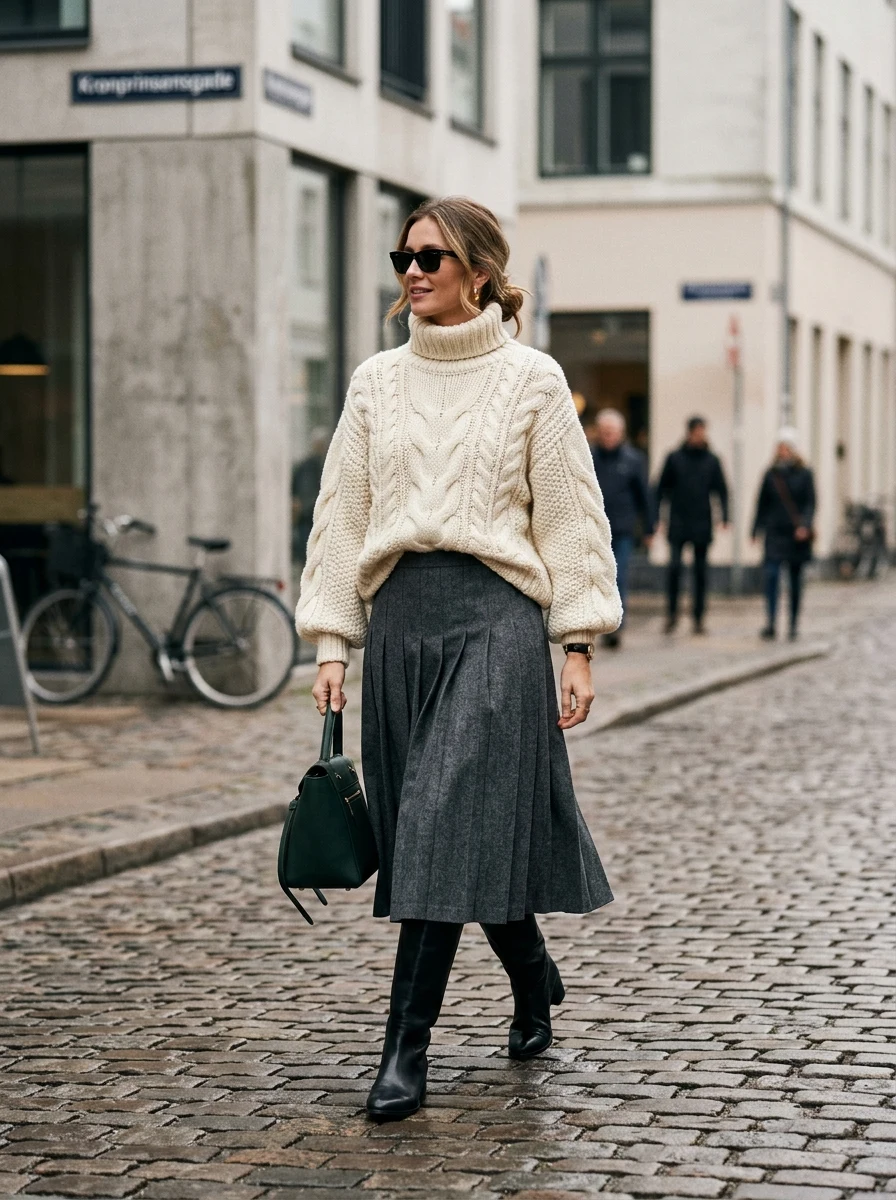
Cable-knit clothing prompts require high tactile relief. Describing an ivory fisherman cable-knit and knife-pleated wool midi skirt creates heavy geometric shadows in the knits, making the clothing look cozy, heavy, and physically warm.
14. Preppy Ivy League Varsity Bomber & Chinos (Men)
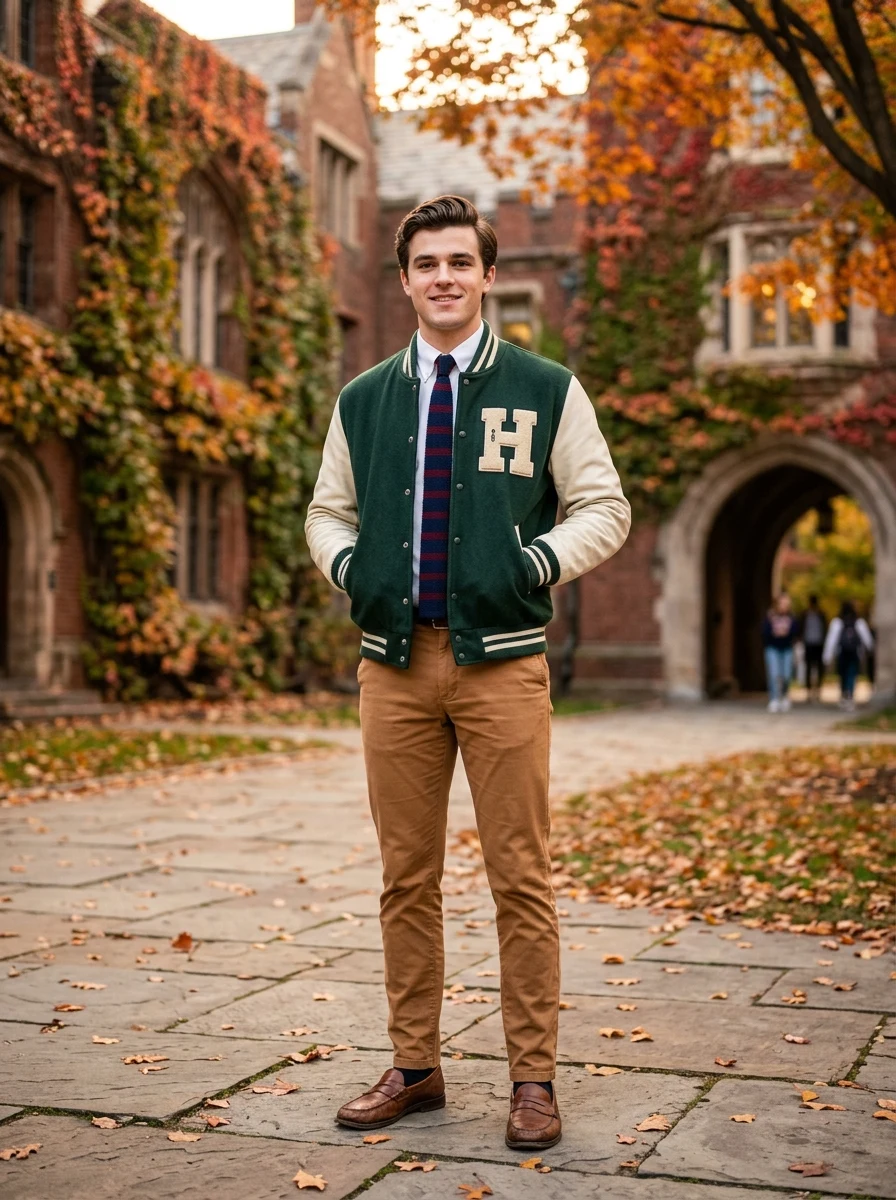
Varsity bomber jackets look best when contrasting fabrics are named explicitly. Calling for forest green melton wool paired with off-white cream leather sleeves ensures the AI renders the distinct matte wool texture against smooth leather sheen.
15. High-Glamour Red Carpet Velvet Tuxedo Gown (Women)
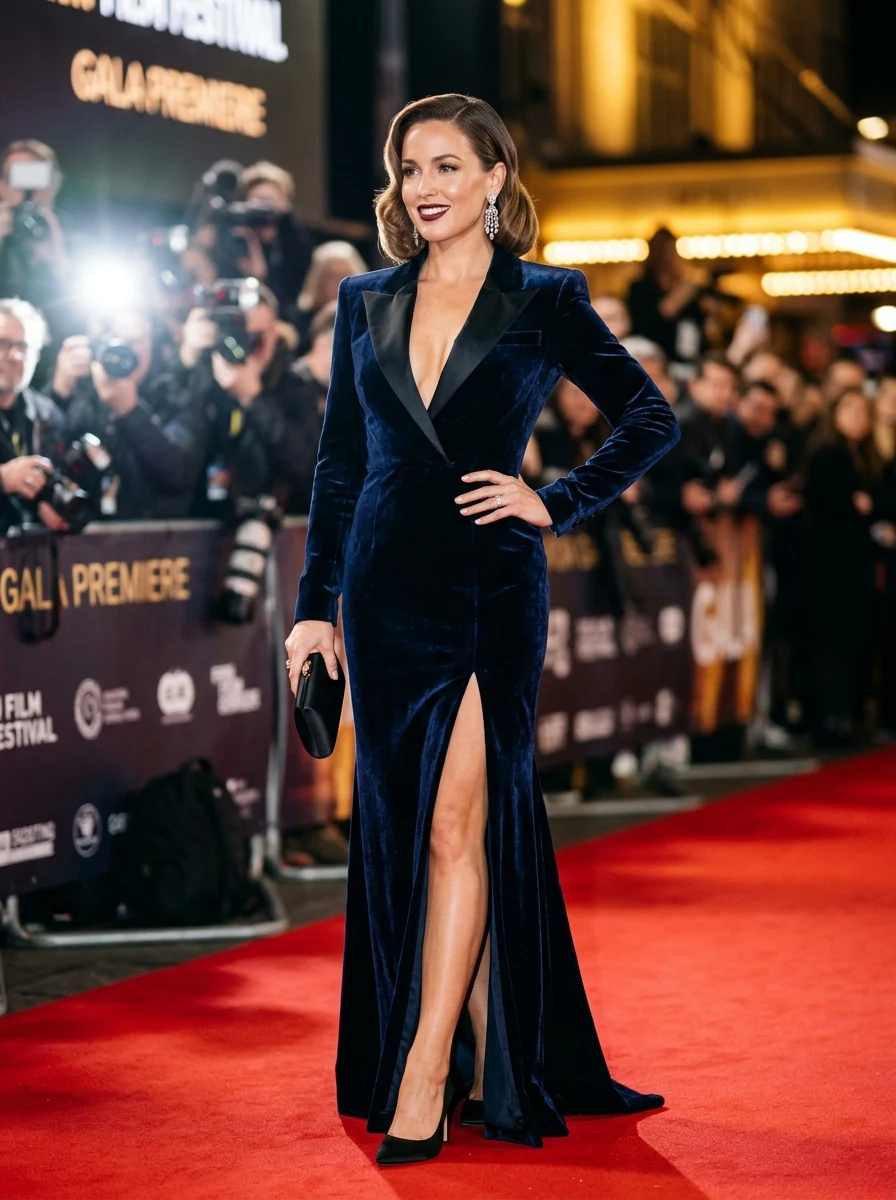
Crushed velvet is one of the most light-reactive textiles in generative art. Mentioning crushed velvet alongside black silk satin peak lapels gives the model luminous highlights under paparazzi flashes while maintaining deep, rich sartorial shadows.
16. Artisanal Handwoven Linen Earthy Co-Ord Set (Eco Brand)
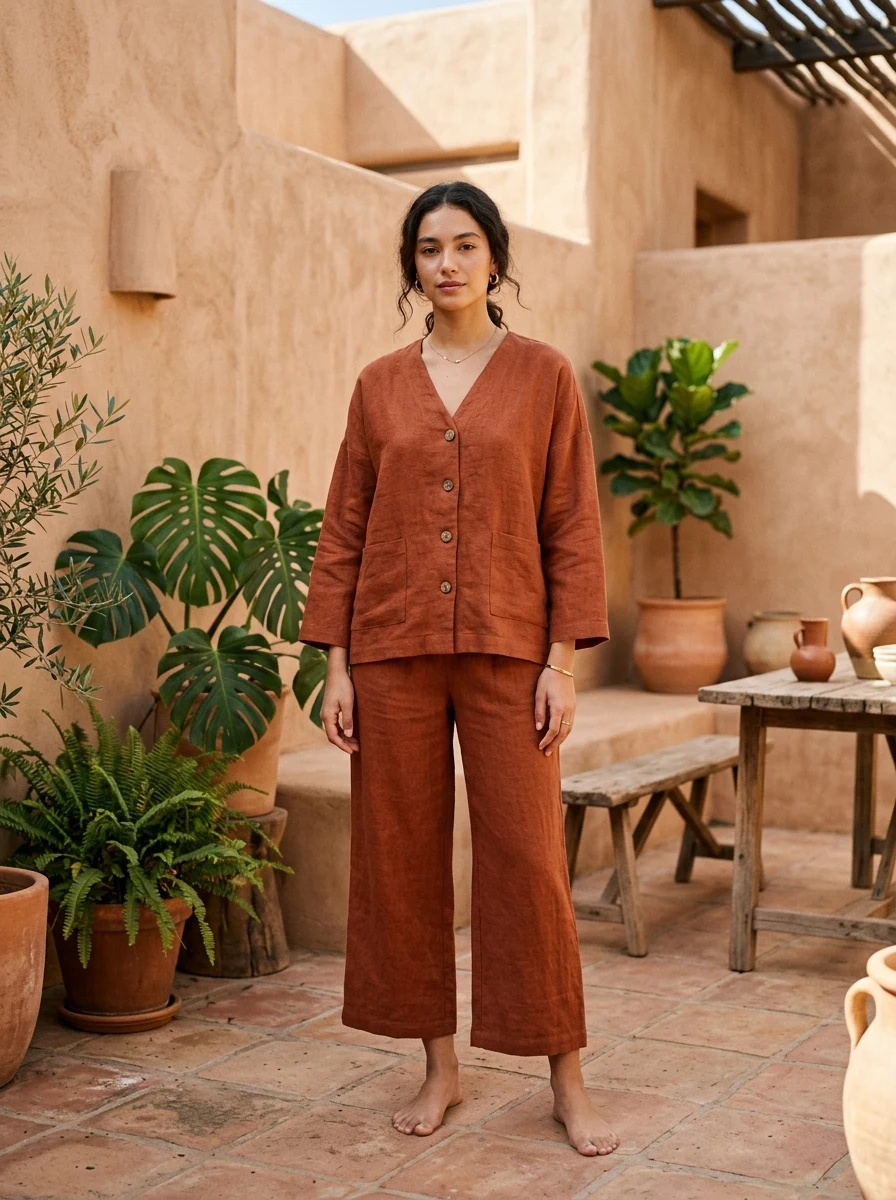
Eco and sustainable clothing brands depend on earthy fiber textures. Keywords like organic hand-spun terracotta-rust linen and raw coconut shell buttons signal artisan craftsmanship, grounding the clothing in natural tactile realism.
17. Contemporary Korean Minimalist Trench Coat Style (Women)
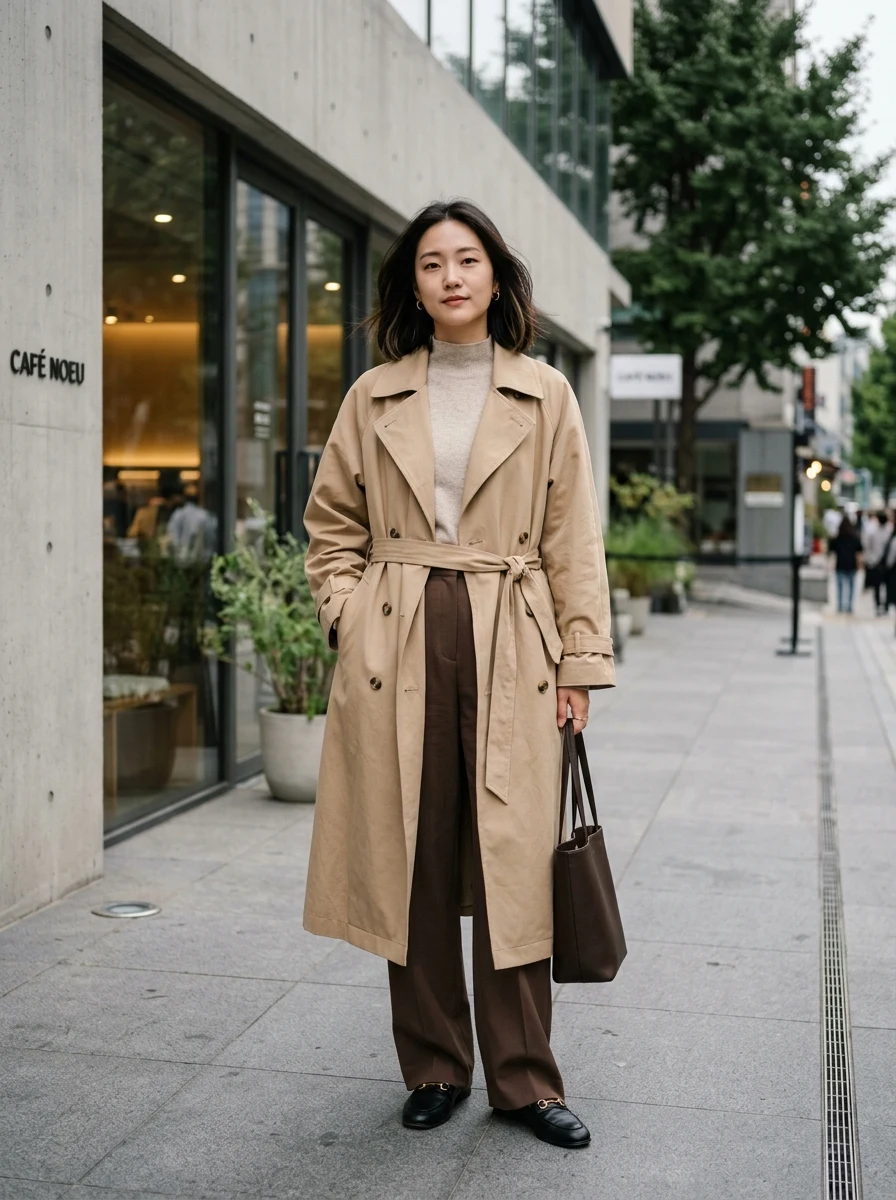
Korean minimalist outerwear focuses on fluid oversized drape. By including raglan storm-flap sleeves loosely tied and fine-gauge cashmere mock-neck, the prompt creates a relaxed, effortlessly tailored Seoul fashion aesthetic.
18. Winter Alpine Puffer & Technical Ski Chic (Outerwear Brand)
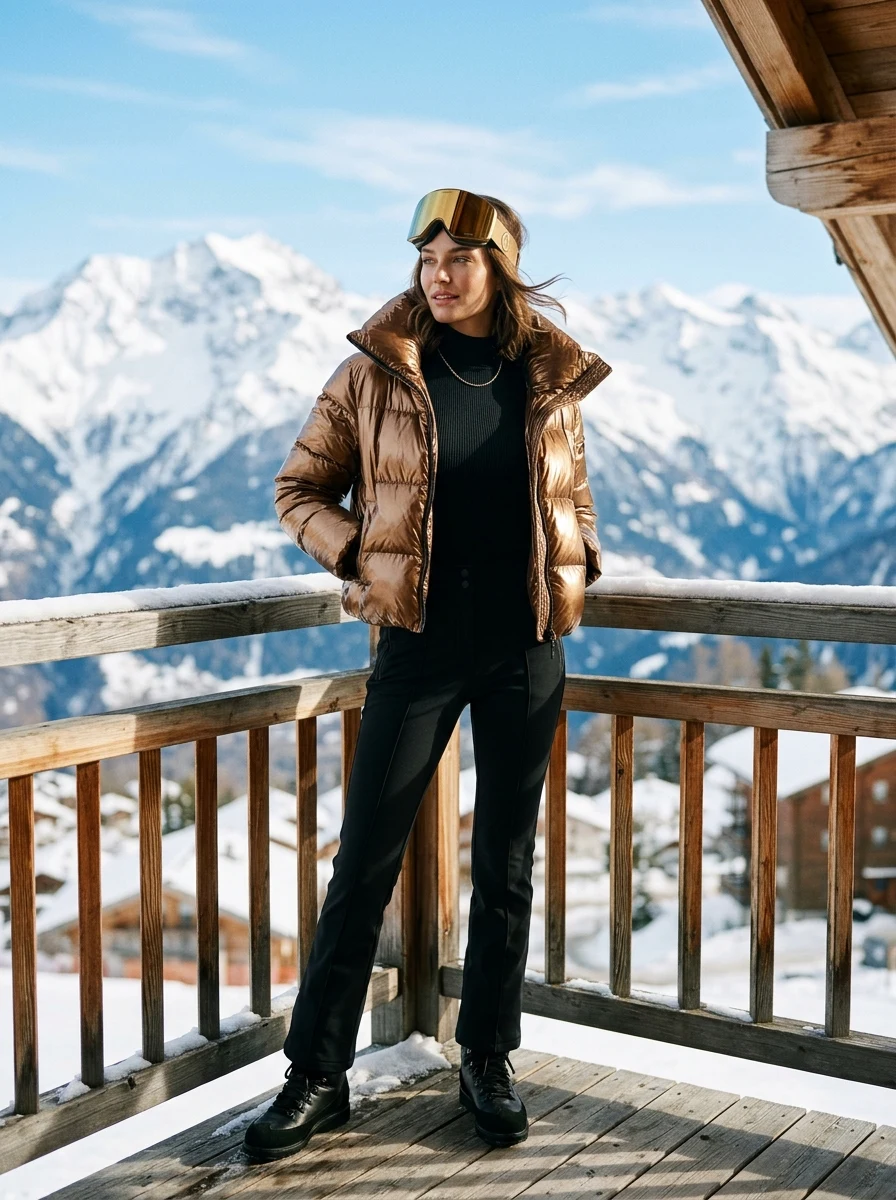
Puffer jackets require gloss and baffle volume definition. Prompting for high-gloss metallic bronze down puffer with exaggerated funnel collar directs the model to render reflective sheen and plush down baffle contours under intense alpine sunlight.
19. Retro 70s Bohemian Suede Fringe & Wide-Leg Denim (Women)
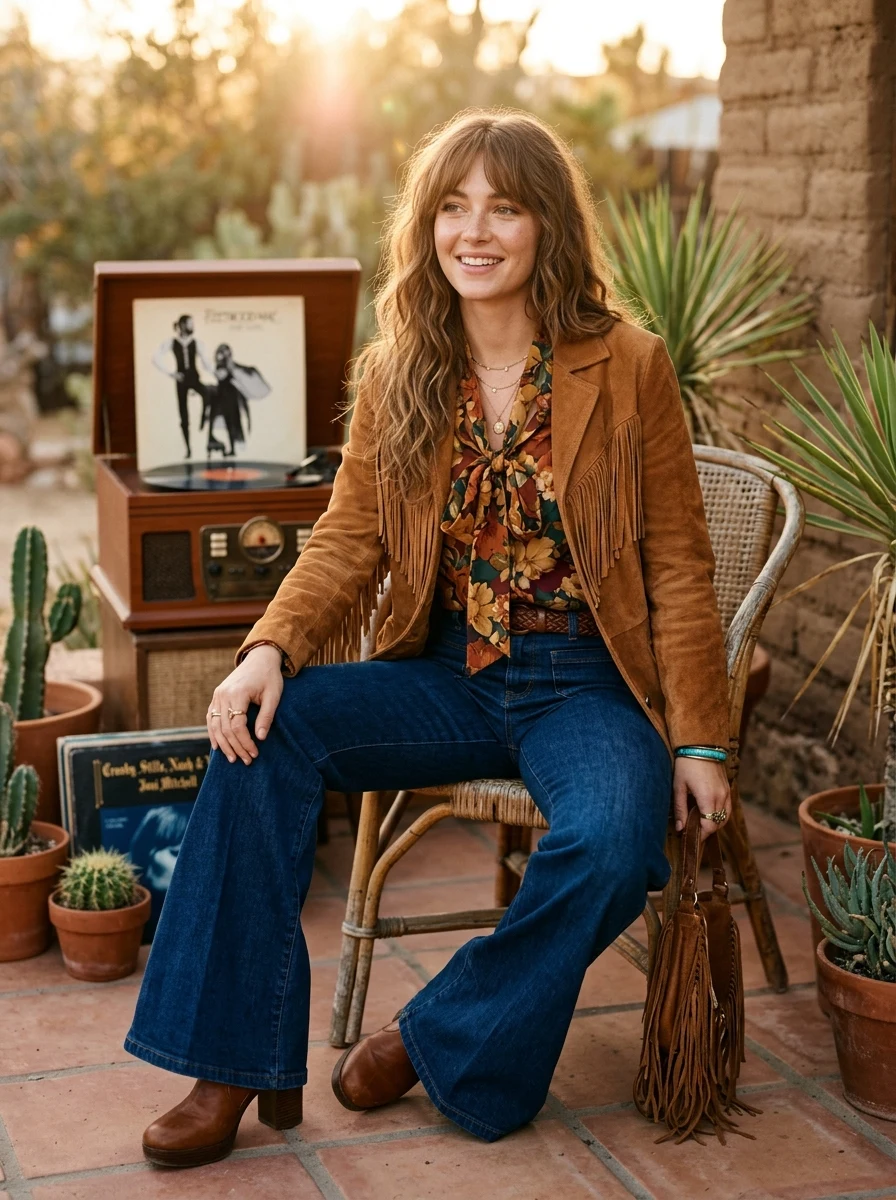
1970s retro style combines supple leather nap with flowing silks. Specifying cognac-brown suede jacket with fringe accents and high-rise dark indigo wide-leg flared jeans anchors the silhouette in period-accurate bohemian chic.
20. Urban Luxury Heavyweight Boxy Hoodie & Sweatpants (Streetwear Brand)
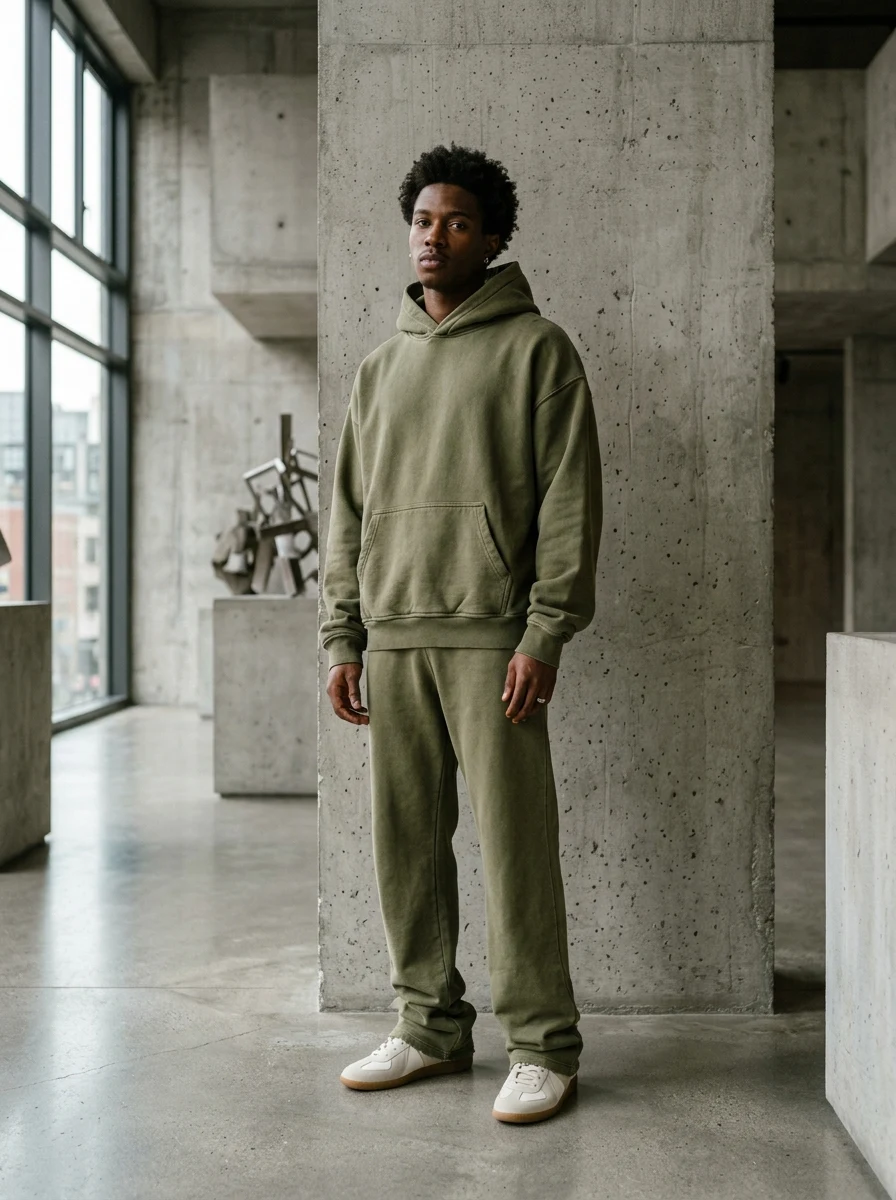
Modern luxury streetwear brand mockups require fabric weight cues. Specifying 500 GSM loopback cotton fleece and seamless double-layer hood without drawstrings separates high-end fashion blanks (Yeezy, Fear of God) from cheap generic sweatshirts.
The Anatomy of a Perfect Clothing Prompt for AI Brands
When creating apparel mockups or lookbooks for commercial fashion labels, your prompt must act as a tech pack for the AI diffusion model. The most realistic clothing renders follow a strict five-part structural framework:
- Textile Composition & GSM Weight: Always specify the exact fabric type (e.g., 380 GSM heavyweight English flannel, organic slub cotton, or 19-momme silk charmeuse). This instructs the model how light should scatter across the micro-fibers.
- Architectural Silhouette & Seam Details: Name the precise garment cut, such as raglan sleeves, double-pleated high-rise trousers, cowl neckline, or dropped shoulders.
- Hardware & Fasteners: Subtle hardware adds immense realism. Incorporating terms like mother-of-pearl buttons, Aquaguard taped zippers, or copper rivets eliminates blurry, AI-hallucinated seams.
- Natural Creasing & Fabric Drape: Detail how the garment interacts with gravity and movement: bias-cut fluid drape, crisp pressed trouser creases, or gentle organic linen wrinkles.
- Editorial Lens Simulation & Studio Lighting: Replicate professional lookbook setups by specifying 85mm portrait lens at f/1.4, diffused softbox key light, or seamless warm cyclorama backdrop.
Fabric Weight & Material Keyword Cheat Sheet
Keep these professional textile descriptors handy to elevate your prompt results across different clothing aesthetics:
- Luxury Knitwear: Chunky ribbed 4-ply cashmere, Geelong lambswool, brushed alpaca mohair, waffle knit.
- Menswear Tailoring: Hopsack wool-silk blend, chalk-stripe flannel, Super 150s worsted wool, Neapolitan spalla camicia.
- Summer Resort Wear: Pure washed French linen, open-weave gauze cotton, breathable seersucker, tencel modal.
- Streetwear & Outerwear: 500 GSM loopback cotton fleece, 14oz shuttle-loomed raw denim, 3-layer ripstop nylon, down-filled baffles.
- High-End Eveningwear: Liquid silk charmeuse, stiff architectural organza, crushed velvet, French Chantilly lace.
Model Comparison: ChatGPT vs Midjourney vs FLUX for Clothing
Different AI models demonstrate distinct strengths when generating clothing and apparel lookbooks:
- Midjourney v6.1: Unmatched for tactile weave textures, subtle reflections on luxury silks, and authentic editorial fashion magazine aesthetics. Best choice for brand lookbooks and high-fashion mood boards.
- FLUX.1 Schnell / Dev: Exceptional at maintaining realistic human anatomy, accurate pocket placements, and rendering text or logos cleanly on apparel surfaces.
- ChatGPT (DALL-E 3): Excellent prompt comprehension when you need complex layered outfits (e.g., blazer over hoodie over graphic tee) with specific multi-color combinations.
Frequently Asked Questions
How do you write effective clothing prompts for AI?
To generate realistic clothing with AI, specify four core pillars: fabric composition (such as 500 GSM cotton fleece or silk charmeuse), tailoring cut (like double-breasted 6x2 or raglan sleeve), hardware details (such as mother-of-pearl buttons or Fidlock buckles), and optical camera simulation with directional lighting.
Can AI clothing prompts be used to design apparel for real clothing brands?
Yes. Leading fashion brands and indie apparel designers use Midjourney, ChatGPT, and FLUX to generate lookbooks, mockups, colorway concepts, and mood boards before physical prototyping. Accurate textile descriptors ensure manufacturable aesthetic references.
How do I prevent AI from generating plastic or rubbery clothing textures?
Avoid generic keywords like 'stylish clothes' or 'beautiful outfit'. Instead, specify exact fabric weaves such as 'tactile herringbone tweed', 'slub cotton', 'ribbed cashmere', or '14oz shuttle-loomed selvedge denim'. Naming tactile materials forces diffusion models to calculate authentic textile micro-reflections.
Which AI model is best for fashion and clothing generation?
Midjourney v6.1 and FLUX.1 are currently the top models for photorealistic fabric drape, texture, and commercial studio lighting. ChatGPT (DALL-E 3) excels at adhering to complex multi-garment prompts, while Google Gemini is excellent for generating detailed prompt formulas from reference sketches.
What aspect ratio should I use for fashion and clothing lookbook prompts?
For commercial lookbooks and model portraits, 3:4 (vertical portrait) or 9:16 (mobile social story format) is optimal. For banner campaigns and hero lookbook spreads, 16:9 widescreen landscape is the industry standard.