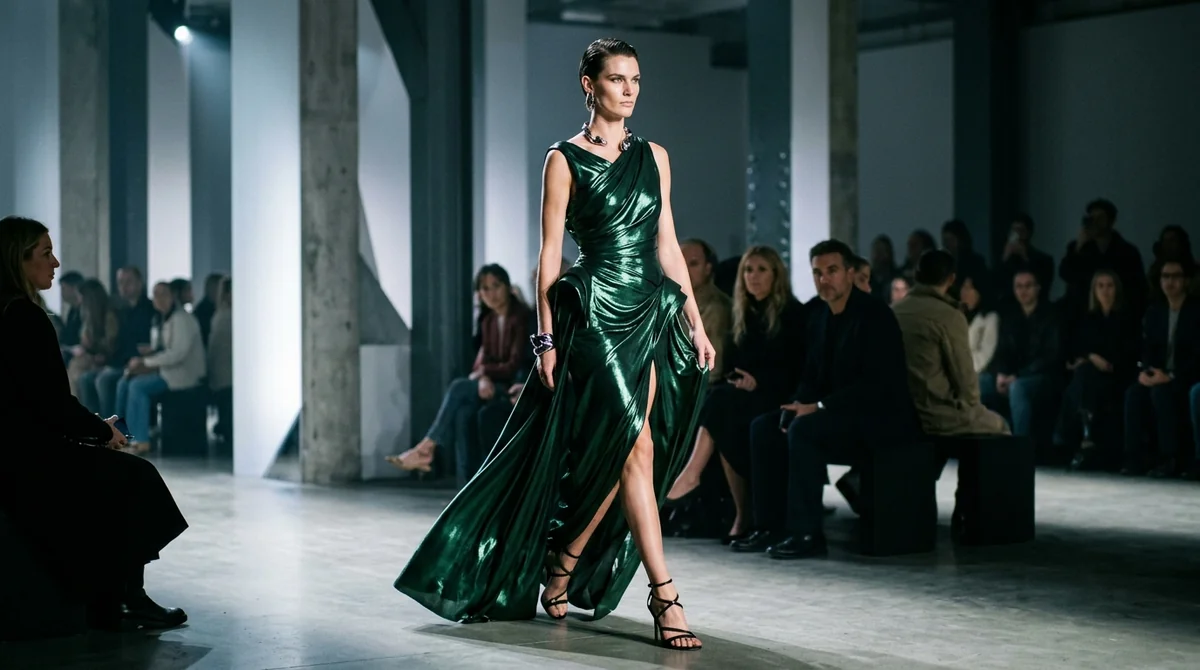
Writing high-converting midjourney fashion prompts requires thinking like a professional fashion photographer rather than typing disconnected descriptive adjectives. With the optical rendering improvements in Midjourney v6.1, the diffusion engine responds directly to textile weights, tailored seam structures, and named prime lenses. While generic midjourney clothing prompts frequently yield synthetic plastic apparel, using structured midjourney fashion prompts examples enables creators, independent apparel brands, and digital designers to generate editorial campaign lookbooks with tactile fabric realism.
Whether you are developing concept collections for a modern streetwear label or curating high-end Vogue magazine spreads, mastering midjourney fashion photography prompts gives you full creative direction over garment movement, lighting ratios, and model posture. By combining specific physical fabrics like brushed cashmere and raw denim with authentic 35mm optical framing, each midjourney style prompts formula below delivers studio-calibrated visuals ready for commercial campaigns and digital lookbooks.
The 4 Core Rules for Midjourney Fashion Prompting
Before testing the prompt templates below, keeping these four physical rules in mind will dramatically improve your garment texture and photoshoot composition:
1. Direct Fabric Weaves Over Generic Clothing Terms: Replacing generic words like "jacket" or "dress" with specific textile names produces immediate photorealism. Prompting for "heavyweight 450gsm loopback French terry hoodie", "raw 14oz selvedge denim", or "double-faced brushed cashmere blazer" forces Midjourney to render authentic yarn loops, seam stitching, and natural textile weight.
2. Name Professional Camera Optics: Fashion photography relies on focal compression to showcase garment proportions accurately. For full-body lookbooks, use an 85mm f/1.4 or 105mm f/2.8 prime lens to compress perspective and eliminate wide-angle torso distortion. For gritty urban streetwear, specify a 35mm f/1.4 lens to capture environmental context.
3. Ban Artificial Plastic Buzzwords: Words like "photorealistic", "ultra-detailed", and "trending on fashion blogs" pollute your prompt weights with 3D render artifacts. Replace fluff with physical studio terms: "soft Profoto octabank key light", "subtle rim lighting on shoulders", and "unretouched editorial texture".
4. Control Garment Movement and Drapery: High-end fashion imagery captures clothes in dynamic motion. Incorporate kinetic cues like "flowing chiffon catching morning breeze", "structured architectural shoulder silhouette", or "relaxed oversized boxy drape" to avoid static plastic mannequins.
10 Tested Midjourney Fashion Prompts for Editorial & Streetwear
Each prompt formula below has been calibrated in Midjourney v6.1 using --style raw for true-to-life textile physics and editorial magazine lighting.
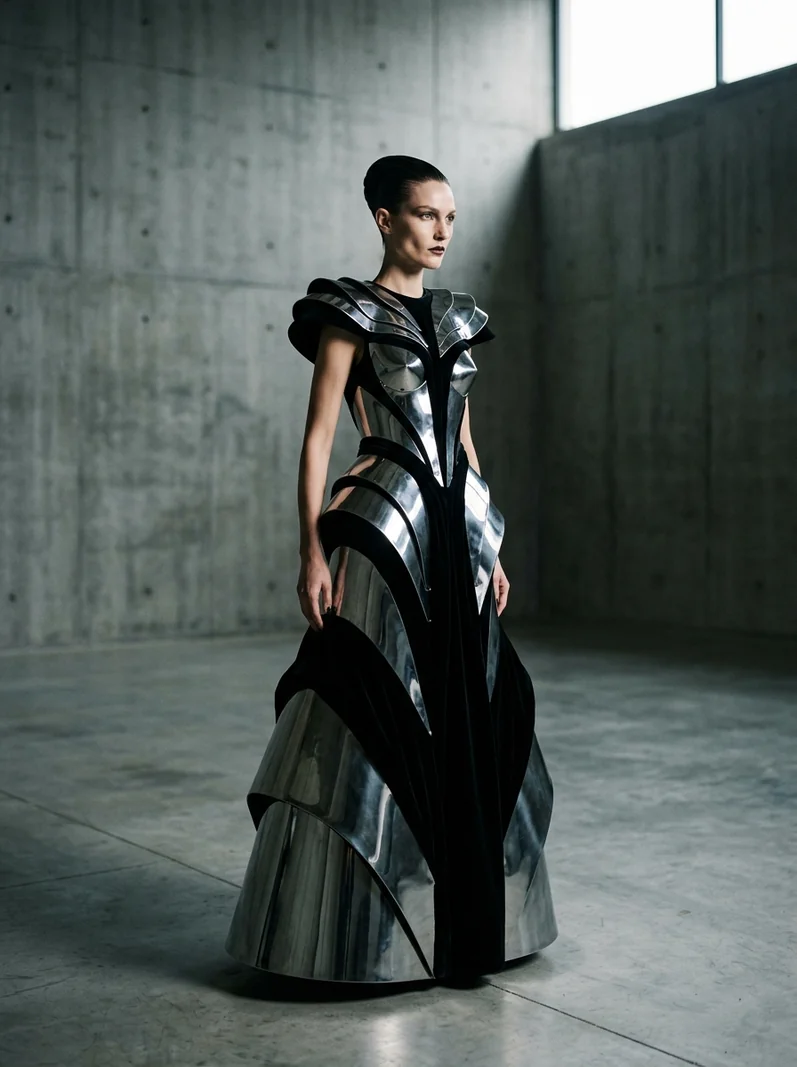
1. Paris Haute Couture Sculpted Chrome and Velvet Evening Gown
A dramatic avant-garde couture concept combining high-gloss metallic chrome breastplate sculpting with matte midnight black velvet folds, captured inside a brutalist concrete gallery.
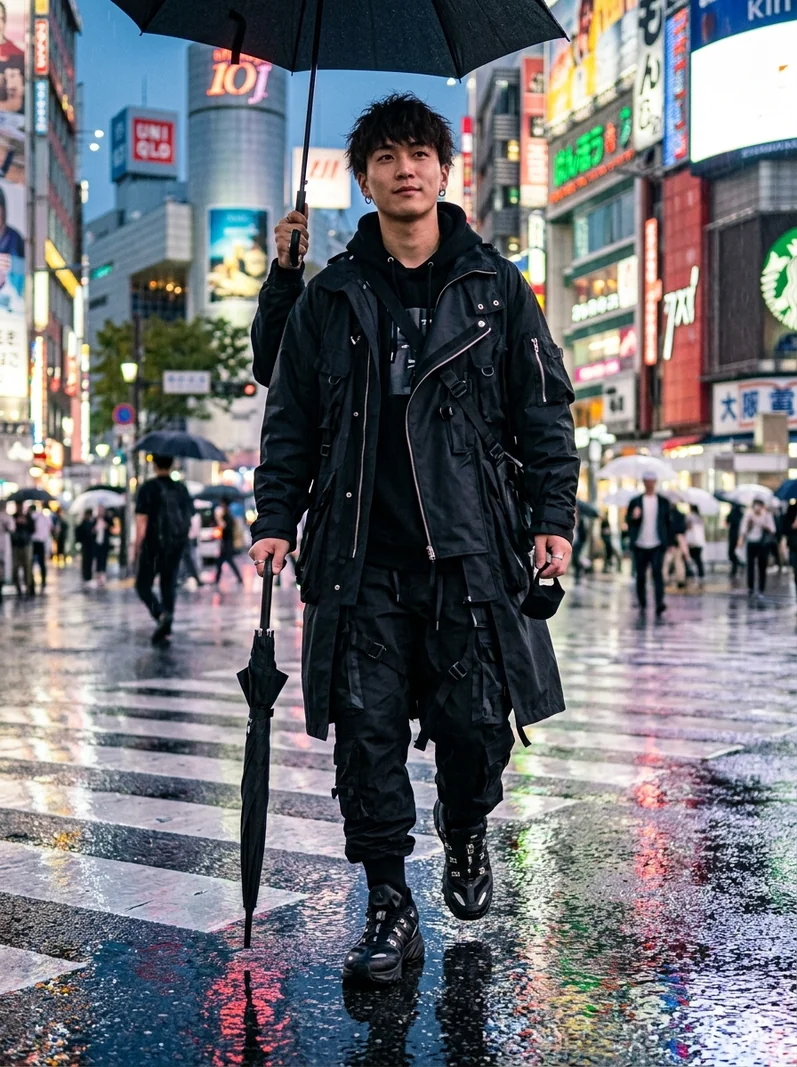
2. Tokyo Rainy Dusk Layered Techwear Trench and Cargo Streetwear
A definitive Japanese techwear aesthetic featuring waterproof matte nylon, functional strap modularity, multi-pocket cargo trousers, and wet asphalt reflections. If you want to see how these neon reflections and cyberpunk urban aesthetics translate into illustrated styles, check out our guide on Aesthetic Anime Prompts.
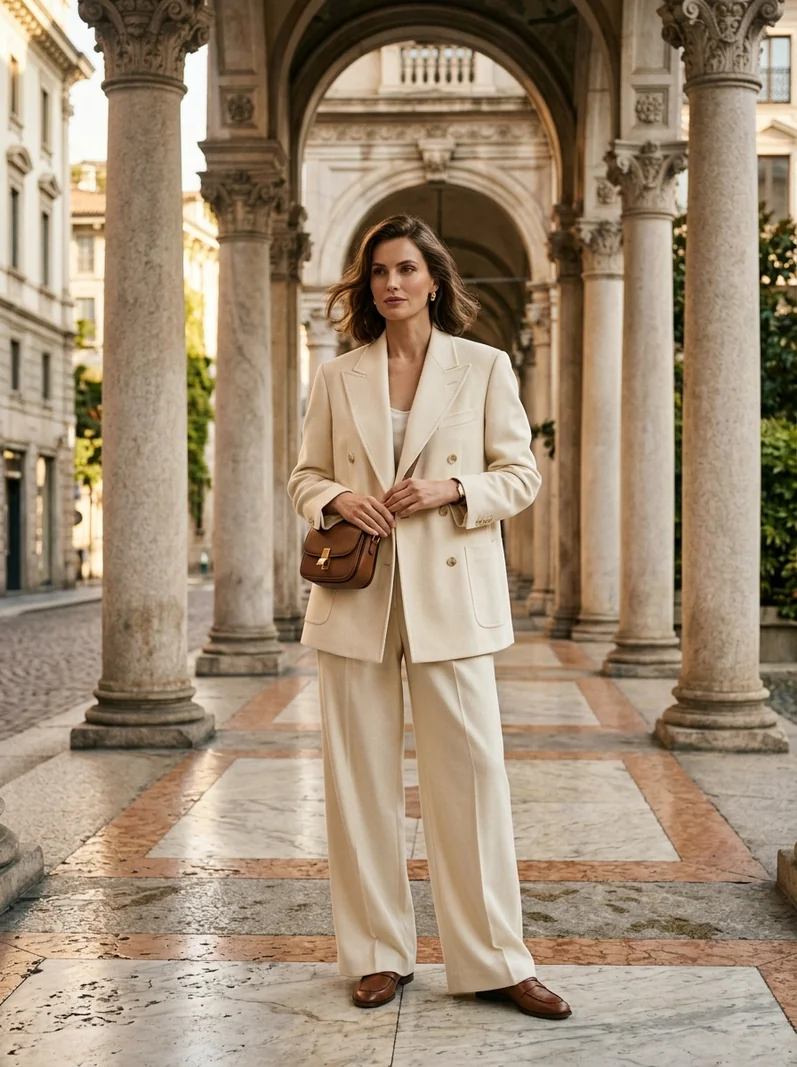
3. Milan Quiet Luxury Double-Breasted Cashmere Blazer and Pleated Wool
Understated luxury tailoring captured along Milan's marble porticos. Highlights soft drape, horn buttons, wide-leg wool drape, and warm Italian golden hour light.
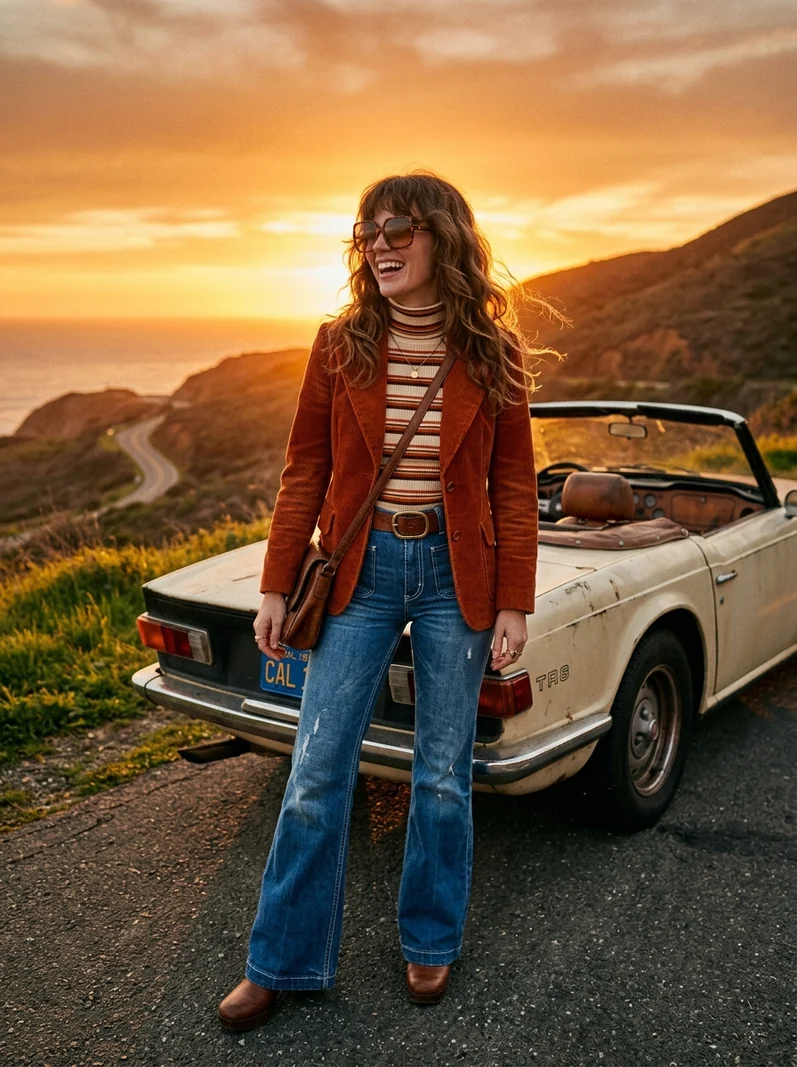
4. Vintage 1970s California Sunset Raw Denim Flare Jeans and Corduroy
Nostalgic 1970s American road trip aesthetic featuring high-rise bellbottom selvedge denim, ribbed corduroy, oversized tortoiseshell sunglasses, and rich analog Kodachrome tones.
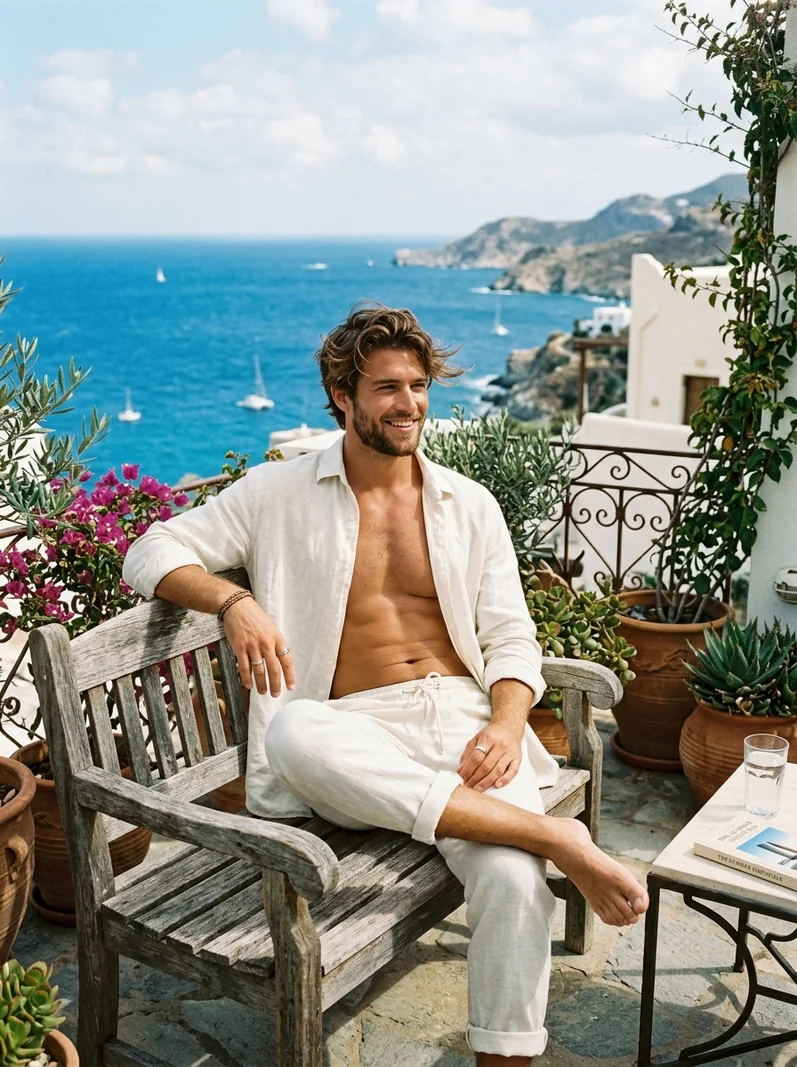
5. Mediterranean Resort Relaxed Ivory Linen Shirt and Chino Lookbook
Effortless summer resort campaign featuring unbuttoned airy linen weave, drawstring trousers, bougainvillea blooms, and shimmering Aegean sea reflections.
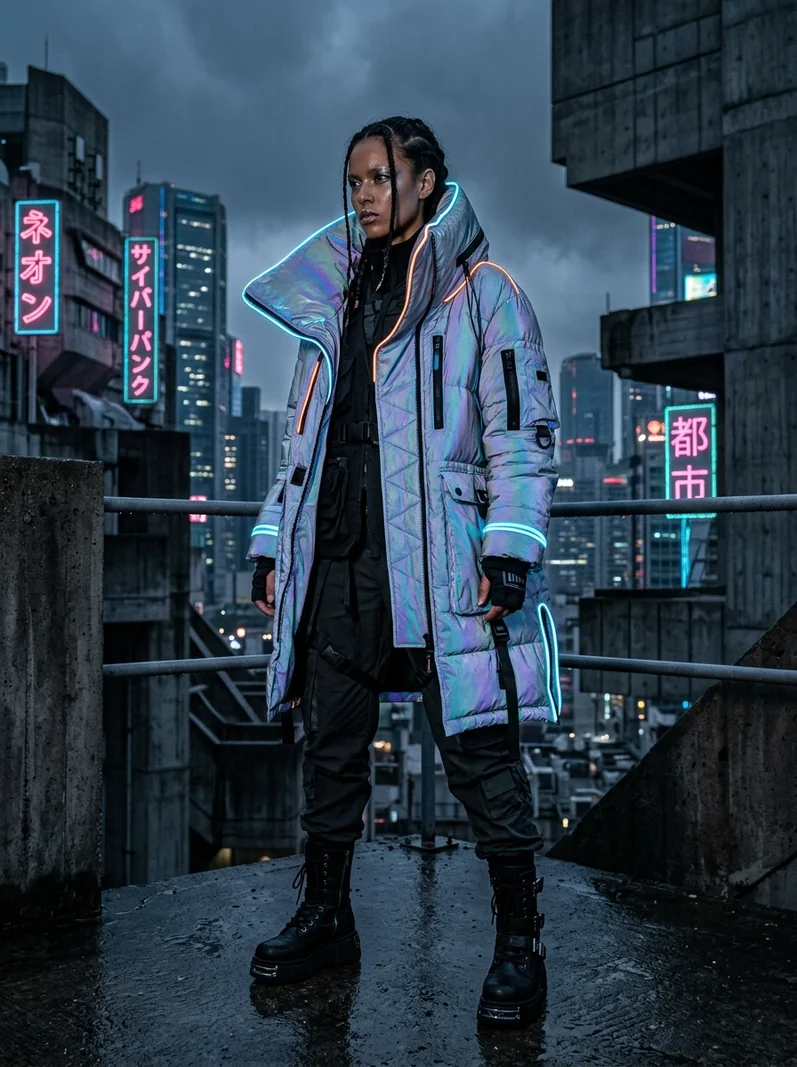
6. Cyberpunk Iridescent Reflective Oversized Puffer Jacket
Cutting-edge technical streetwear showcasing holographic reflective nylon film, exaggerated chimney collar, and dark dystopian city rooftop mood.
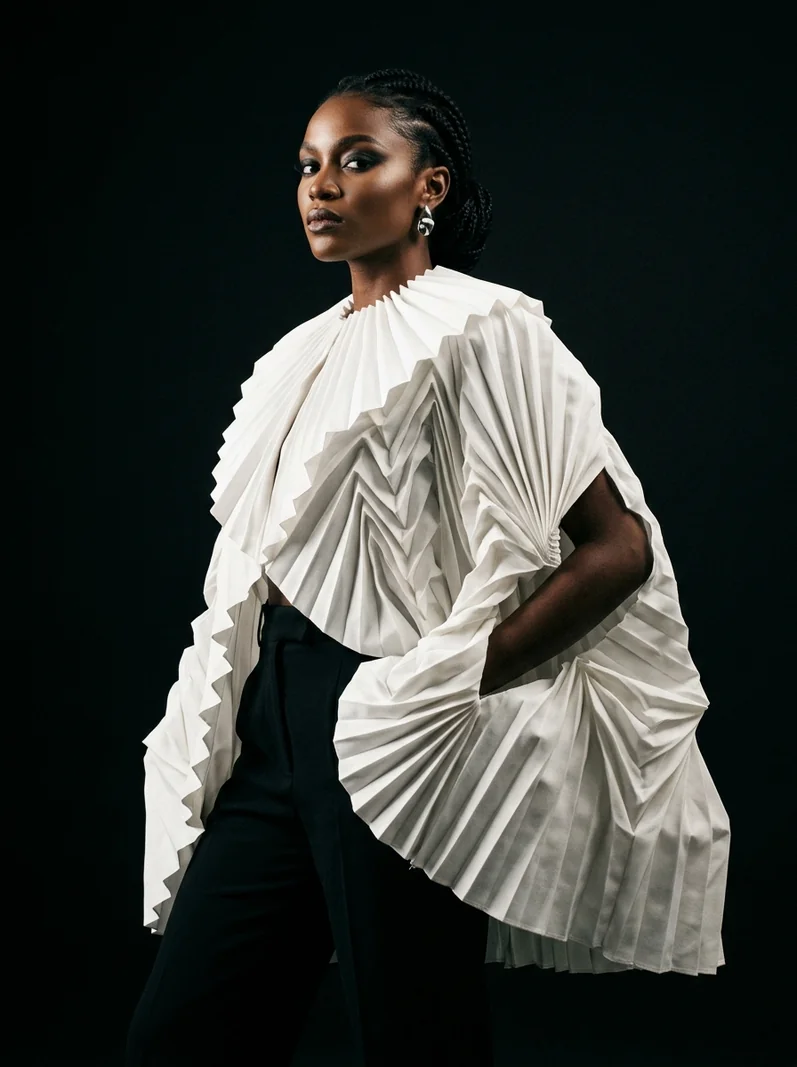
7. Fine Art Monochrome Origami Sculptural White Organza Cape
A museum-grade studio editorial emphasizing pure form, geometric fan pleating, deep chiaroscuro side lighting, and architectural garment construction.
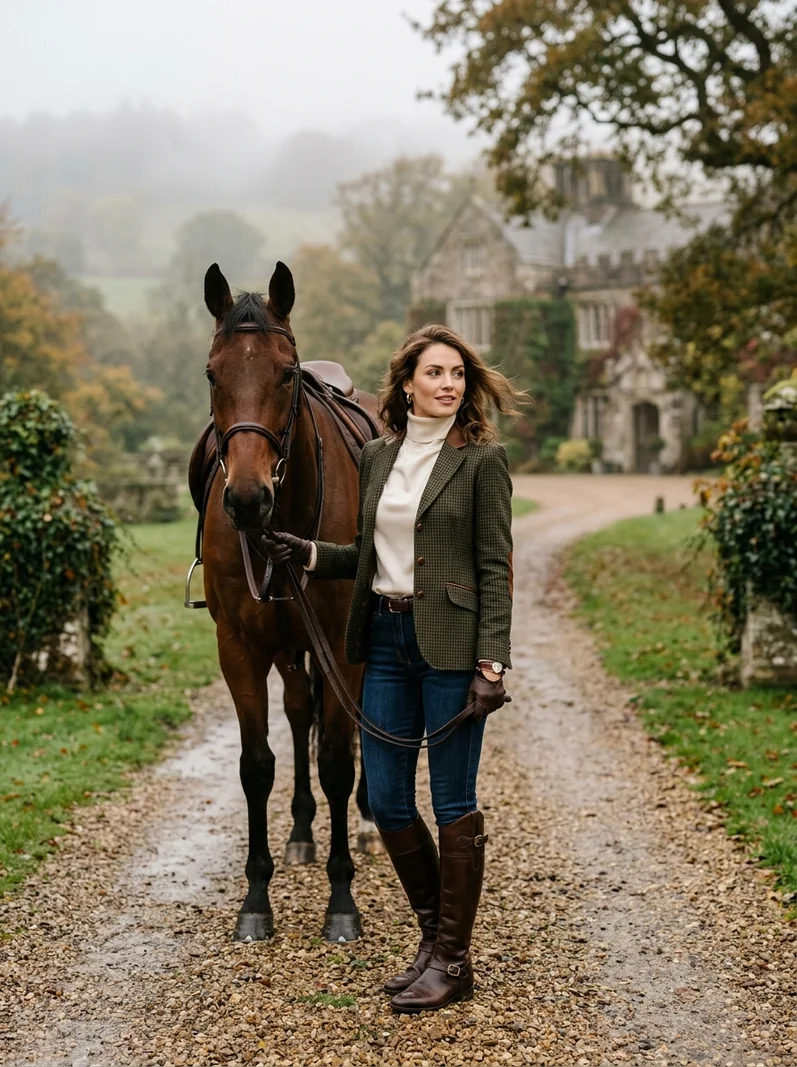
8. English Countryside Equestrian Houndstooth Tweed Blazer and Boots
Classic British aristocratic heritage style featuring rich houndstooth wool weave, suede elbow patches, leather riding boots, and morning manor mist.
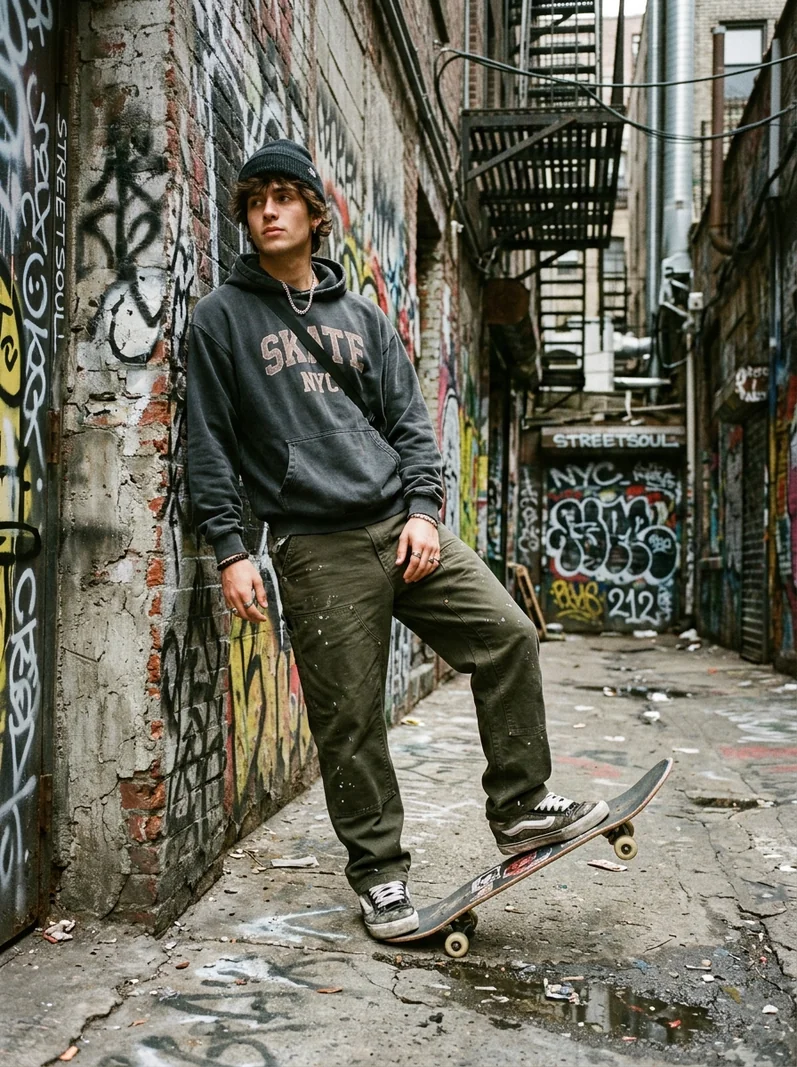
9. Gritty Downtown New York Washed Skate Hoodie and Carpenter Pants
Authentic Lower Manhattan skate culture lookbook featuring heavyweight sun-faded French terry, double-knee canvas trousers, worn waffle-sole sneakers, and brick alley graffiti. For more urban street style and flash photography inspirations, see our curated set of Trending Instagram AI Photo Prompts.
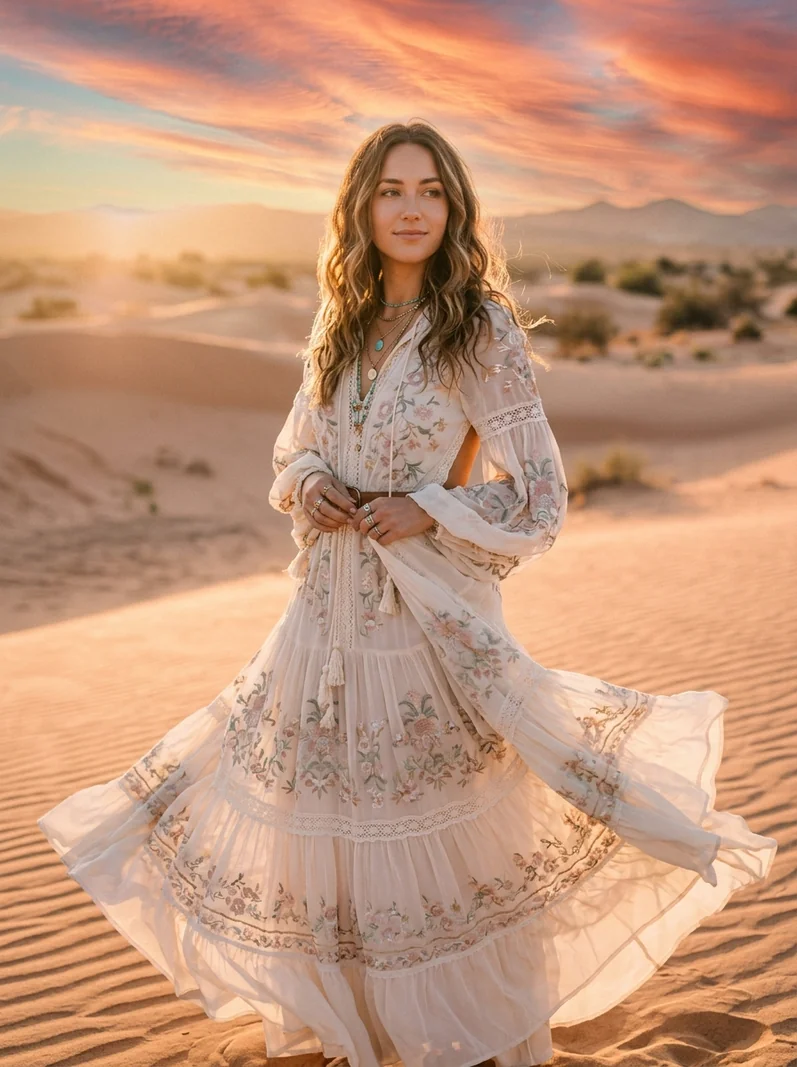
10. Desert Golden Hour Bohemian Tiered Chiffon Embroidered Dress
Ethereal desert luxury campaign showcasing layered semi-translucent floral chiffon, organic movement, backlighting golden hour glow, and warm terracotta dune shadows.
How to Prompt Fabrics, Lighting, and Models in Midjourney
Achieving professional editorial results requires mastering the underlying optical vocabulary that Midjourney v6.1 uses to render material physics. Whether you are generating lookbooks on Discord or through the Midjourney web console, follow this four-stage prompt engineering protocol:
Stage 1: Define the Garment Silhouette and Textile Foundation: Begin your prompt with the primary outfit piece using concrete textile descriptions. Instead of writing "stylish jacket", specify "unstructured double-faced wool overcoat" or "matte technical ripstop windbreaker". If you want natural skin texture to balance the outfit, cross-reference our optical rules in the Midjourney photorealism guide.
Stage 2: Specify the Photoshoot Lighting Setup: Lighting dictates how fabric textures behave on camera. For high-fashion drama, use "directional side key light with dark negative fill". For airy summer lookbooks, specify "soft diffused natural skylight with warm fill bounce". For cyberpunk and streetwear, use "ambient blue hour daylight with wet asphalt reflections".
Stage 3: Choose Your Editorial Lens Focal Length: Camera lens choice prevents unwanted distortion. An 85mm f/1.4 prime lens creates clean facial proportions and subtle background falloff. For stylized high-fashion or anime-inspired urban techwear, explore the linework principles in our Midjourney Niji anime guide.
Stage 4: Lock Parameter Flags: Always append --style raw to preserve realistic folds, fabric grain, and natural human proportions. For vertical lookbook cards and mobile wallpapers, use --ar 3:4 or --ar 2:3.
Engineering Authentic Textile Weaves and Tailoring Drape in Midjourney
High fashion editorial imagery succeeds or fails on fabric physics. Generic clothing words like luxury dress or stylish coat leave diffusion models guessing at yarn weight, surface sheen, and gravity drape, which frequently results in stiff plastic garments that float unnaturally around the model silhouette. Experienced fashion prompt directors specify exact mill weight and weave structure for every garment layer: unlined double faced cashmere overcoat, crisp 140s Egyptian cotton poplin shirting, heavy raw selvedge denim with visible diagonal twill lines, or bias cut mulberry silk charmeuse that catches soft specular studio highlights along collarbone and knee contours.
Stitching and hardware details provide secondary realism anchors that pass close inspection on large retina displays. Mentioning pick stitched peak lapels, horn buttons on working surgeon cuffs, brushed palladium clasps, or delicate French lace hems gives Midjourney v6.1 concrete micro geometry to render rather than inventing random decorative zippers. Whenever styling layered autumn or runway looks, establish clear tonal contrast or textural separation between adjacent fabrics, such as pairing matte chunky merino rib knitwear against smooth structured calfskin leather trousers so garment boundaries remain razor sharp.
Commercial Lookbook Lighting vs Editorial Magazine Chiaroscuro
Lighting setup dictates whether an AI fashion image reads as an e commerce catalog lookbook or a Milan print magazine cover story. Clean lookbook photography relies on a large diffused octabox positioned forty five degrees off axis paired with white V flat bounce boards that open up shadow weave detail across dark wool and black silk. By contrast, high concept editorial campaigns embrace harder directional light modifiers such as a silver beauty dish with honeycomb grid, sunlit Venetian window blinds, or warm tungsten floor spots against seamless concrete cyclorama walls.
Focal length selection completes the editorial illusion. Runway catwalk photography traditionally uses compressed 135mm to 200mm telephoto lenses from the pit, isolating the walking figure against softly blurred front row silhouettes while keeping head to toe footwear proportions true to life. Studio portrait lookbooks favor 50mm or 85mm medium format optics stopped down to f5.6 or f8 so every thread from shoulder seam to cuff stays tack sharp without blurring garment hems into background bokeh.
Frequently Asked Questions: Midjourney Fashion Prompting
How do you prompt realistic garment textures in Midjourney?
Specify the exact physical fabric name and weave rather than generic terms. Directives like "double-breasted heavyweight cashmere", "raw 14oz selvedge denim", "sheer pleated organza", or "matte technical waterproof nylon" trigger high-resolution material micro-textures in Midjourney v6.1.
What is the best aspect ratio for fashion AI lookbooks?
For full-body runway and lookbook shots, use --ar 2:3, --ar 3:4, or --ar 4:5. These vertical ratios give the model ample vertical breathing room from footwear to headwear without awkward cropping.
Should I use --style raw for Midjourney fashion photography?
Yes, appending --style raw is crucial for editorial and street fashion. It removes Midjourney's default synthetic smoothing, allowing fabric wrinkles, natural drapery, real shadow falloff, and authentic textile grain to render naturally.
Can indie clothing brands use these prompts for lookbook mockups?
Yes. Independent streetwear labels, fashion designers, and e-commerce brands use these structured prompt templates to visualize color palettes, garment silhouettes, and photoshoot concepts before spending capital on physical studio production.
How do I maintain outfit consistency across multiple fashion generations?
Use the Style Reference parameter --sref with an image of your desired garment or aesthetic mood, combined with Character Reference --cref if you need the same model across different runway angles or editorial settings.
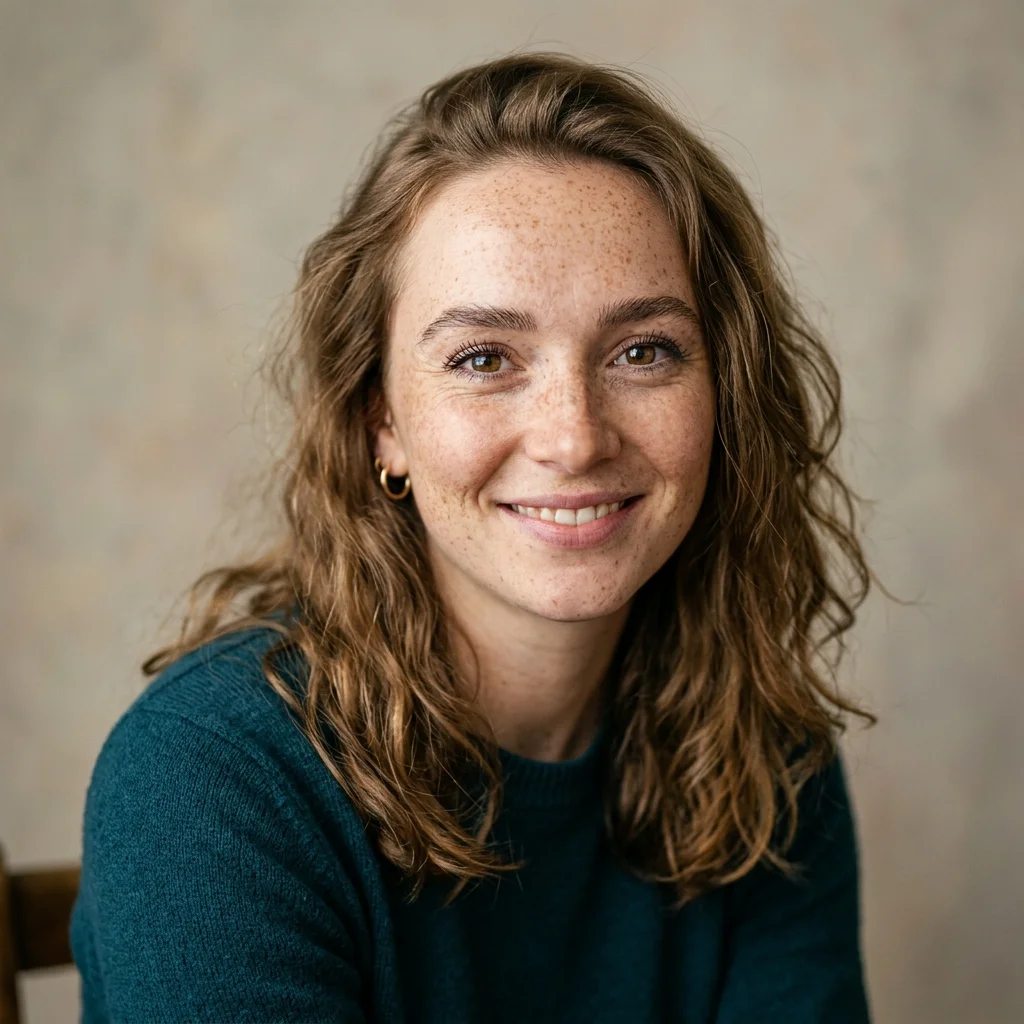
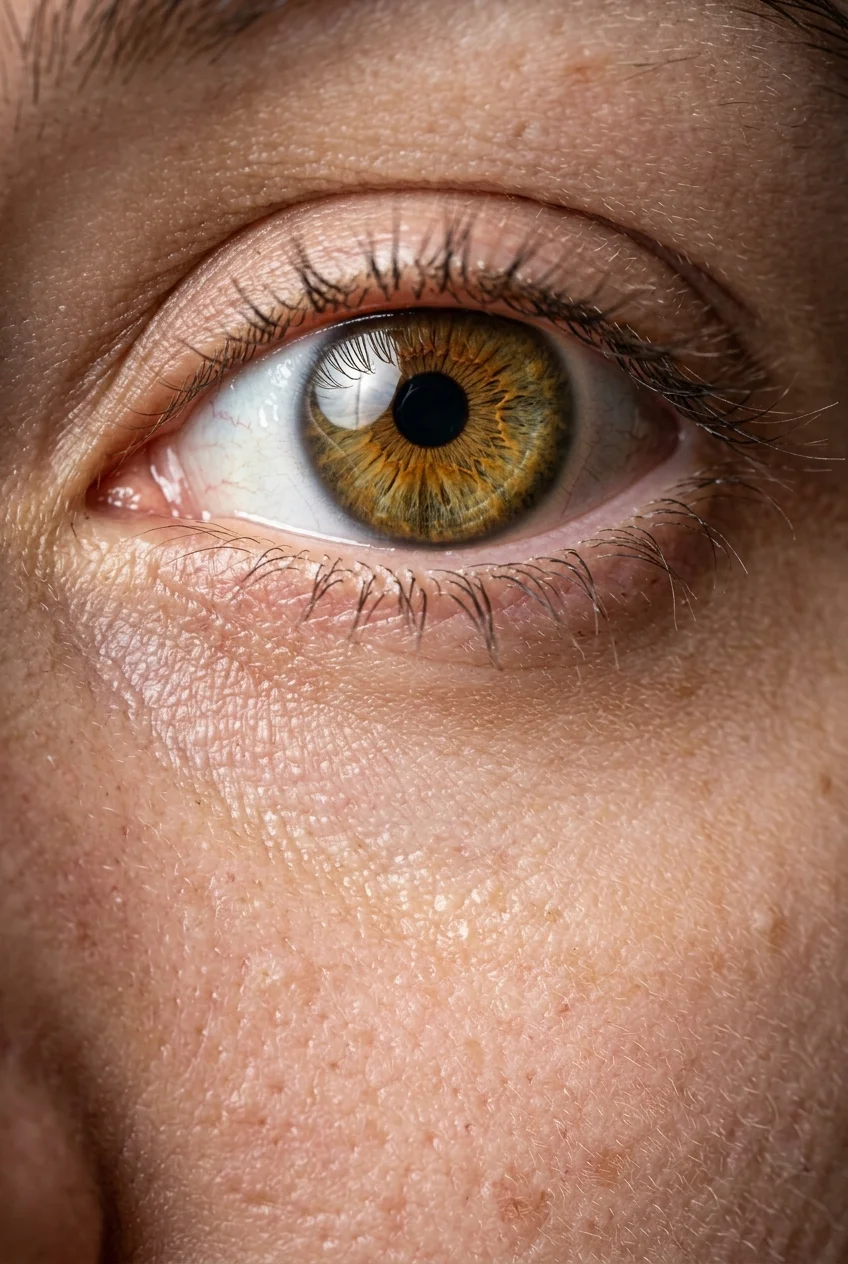
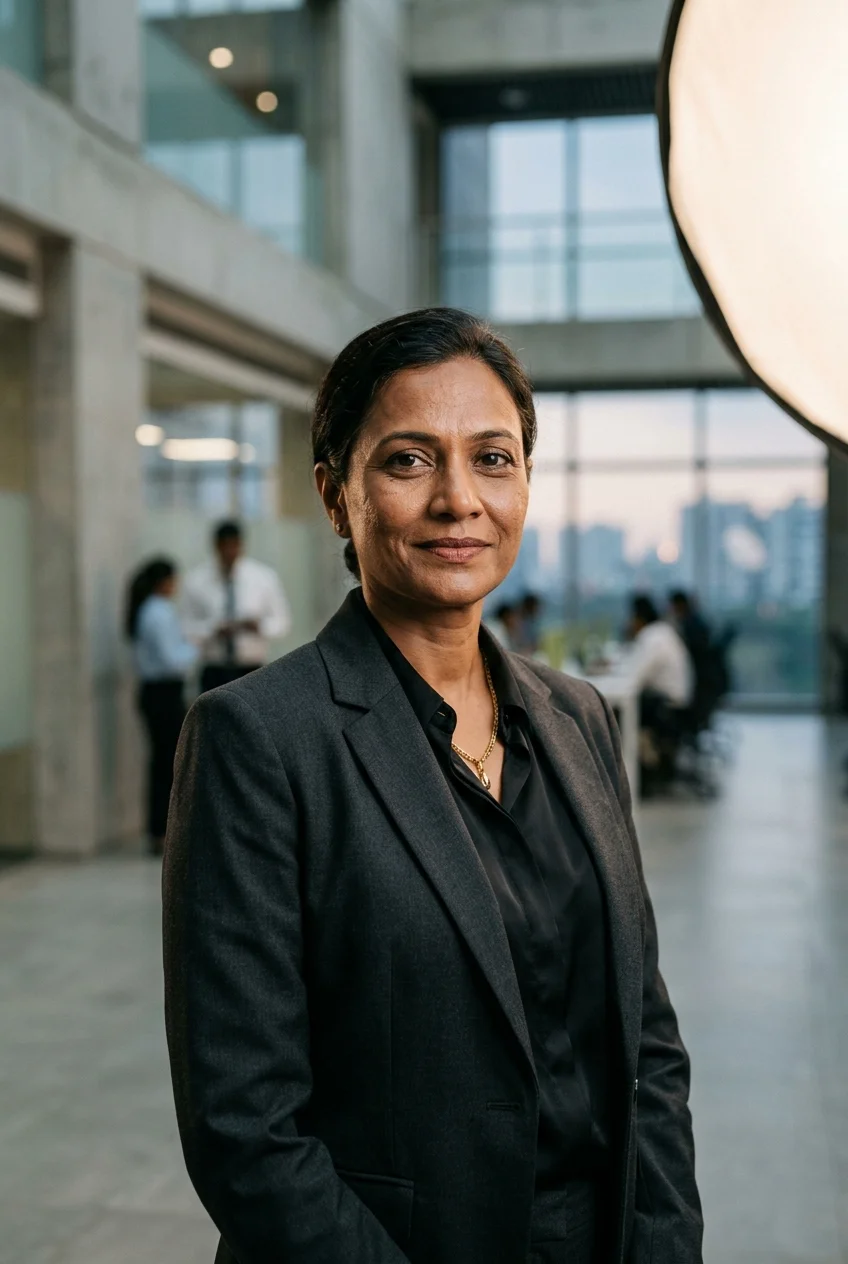
Best Midjourney Prompts for Realistic Images and Photos
Master raw epidermal skin textures, 85mm prime lens compression, and studio lighting without artificial plastic smoothing.
 Sandip Barman
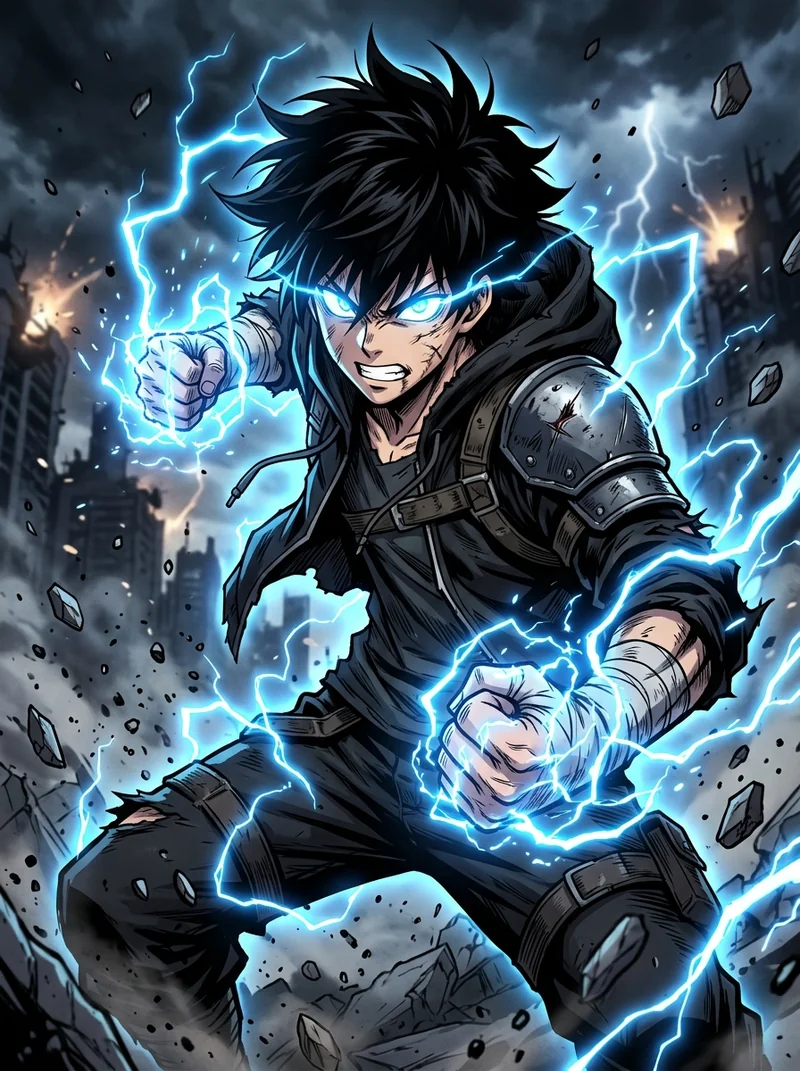
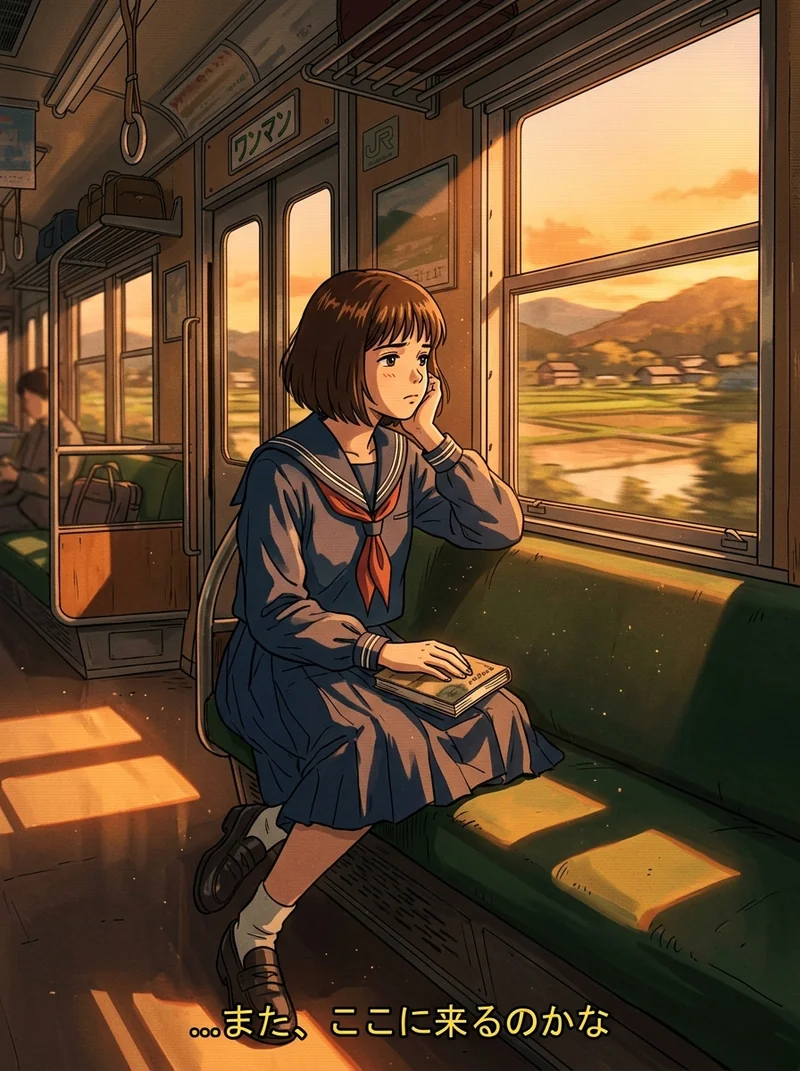
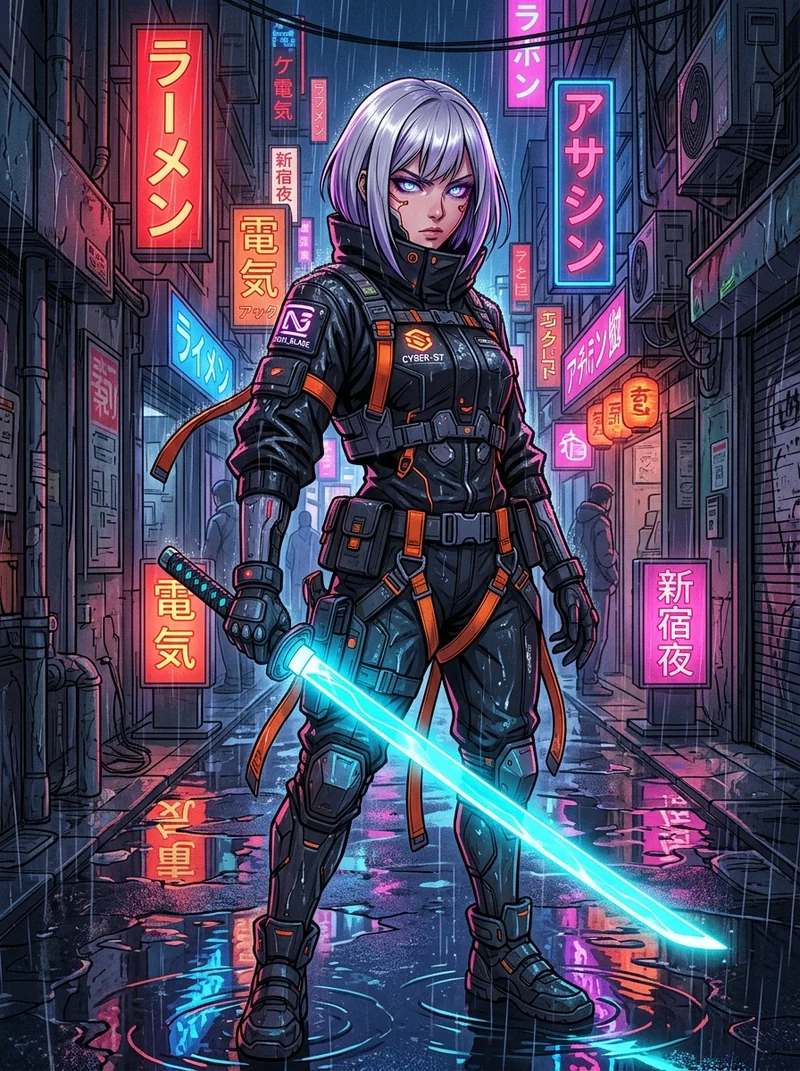
Best Midjourney Niji Prompts for Anime: 10 Tested Niji 7 Styles
Master crisp anime linework, authentic flat cel shading, and dynamic keyframes across shonen, cyberpunk, retro 90s, and Ghibli styles.
Sandip Barman
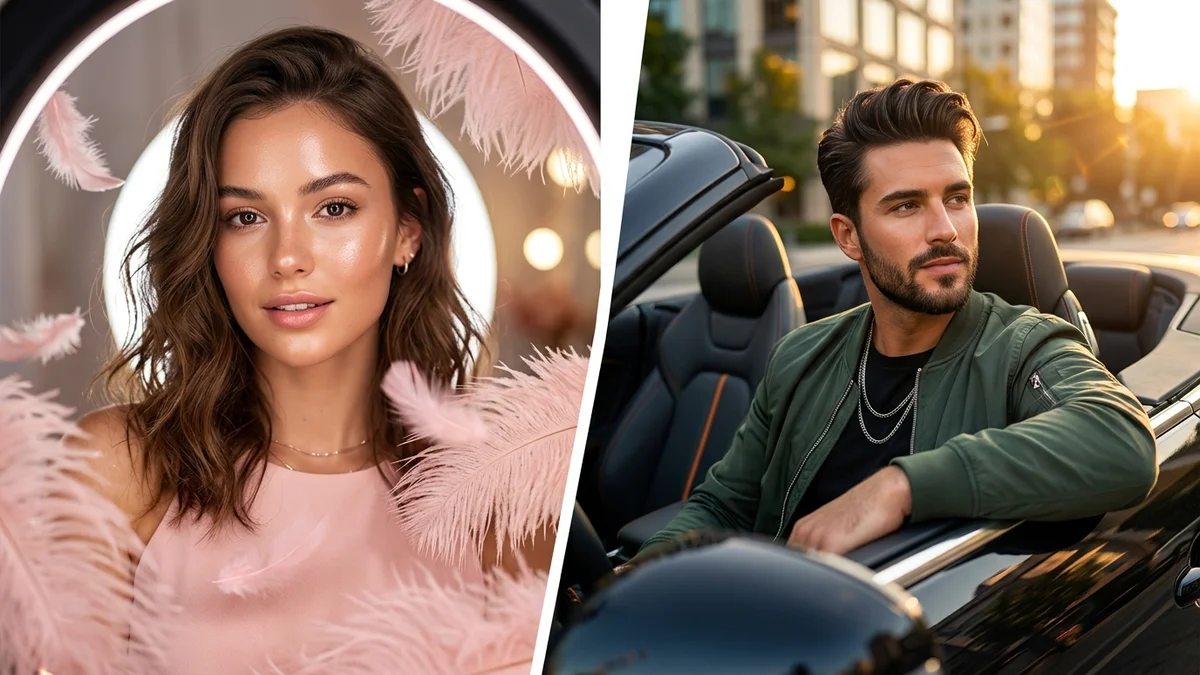
Trending Instagram AI Photo Prompts: 10 Viral Aesthetics
Capture viral social media aesthetics from golden hour vintage road trips to high-flash nightlife portraits and rooftop sunsets.
Sandip Barman