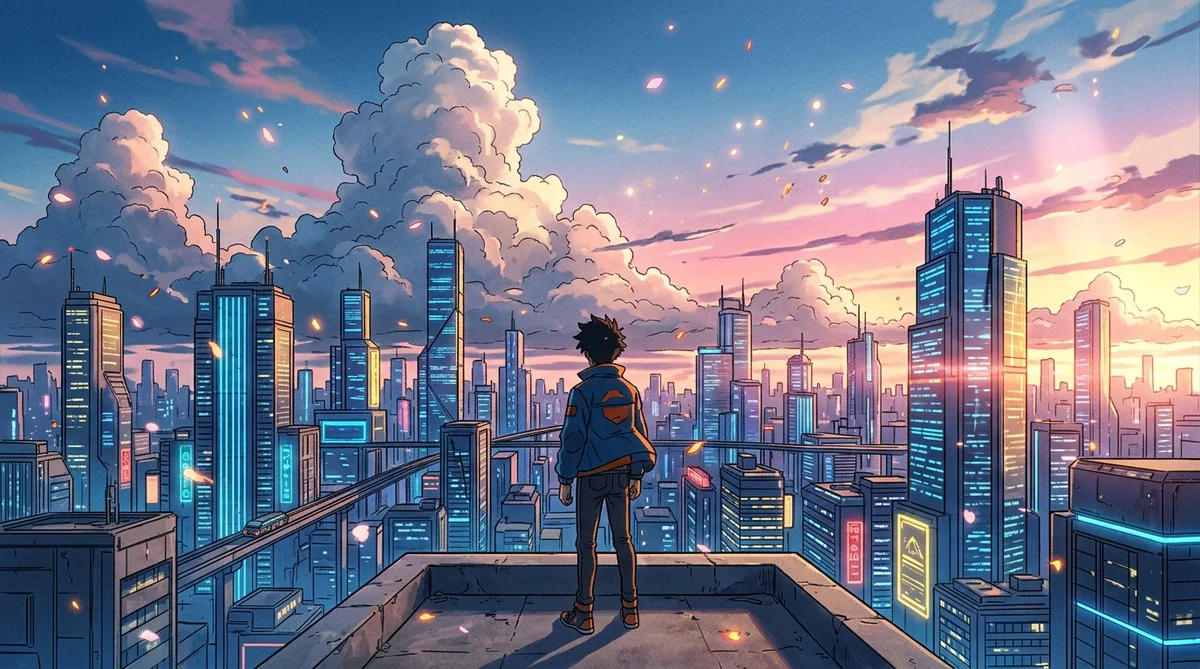
Mastering the art of writing a successful niji prompt midjourney requires unlearning traditional photographic prompting methods. With the release of midjourney niji 7, the anime diffusion engine developed by Midjourney and Spellbrush transitioned toward strict literal language interpretation. While previous iterations like midjourney niji 6 prompts often over-relied on heavy digital gloss and saturated gradients, modern niji prompts prioritize clean line weight, authentic cel shading, and clear spatial separation between subjects and backgrounds.
Whether you are designing original characters for graphic novels, creating cinematic wallpapers, or exploring vintage 1990s animation screengrabs, crafting an effective midjourney anime prompt demands precision. By combining structured subject hierarchies with targeted camera angles and dedicated parameters, each niji 7 prompt below provides an unvarnished foundation for digital manga artists, indie developers, and illustration enthusiasts seeking reliable anime aesthetics.
The 4 Core Rules for Midjourney Niji Anime Prompting
Before copying the prompts below, understanding these four structural principles will transform how you construct anime illustrations with the Niji model:
1. Emphasize Line Language and Flat Cel Shading: Niji 7 excels at separating linework from color fills. Use precise artistic directives like "crisp ink linework", "flat cel shading", and "clean lineart" rather than generic descriptive terms. This signals the diffusion engine to avoid muddy digital blending and preserve crisp boundaries.
2. Replace Fluff Words with Named Archetypes: Terms like "masterpiece", "trending on pixiv", and "8k wallpaper" pollute token weights without adding stylistic value. Instead, specify concrete anime archetypes, such as "shonen action protagonist", "vintage 1995 cel screengrab", "mecha pilot flight pressure suit", or "shrine maiden miko kimono".
3. Structure Prompts in Strict Hierarchy: Niji 7 processes tokens sequentially. Organize your prompt in four clear tiers: Subject (age, archetype, hair, eye expression) + Wardrobe (specific garments, materials, textures) + Environment (lighting angle, weather, architectural details) + Aesthetic Anchors (animation studio influence, parameters).
4. Parameter Mastery: Always conclude your prompt with --niji 7. When you require a flatter, classic hand-painted aesthetic without heavy modern digital lighting, append --style raw. For character consistency across sequential comic panels, reference character sheets using --cref [URL] and adjust influence using --cw.
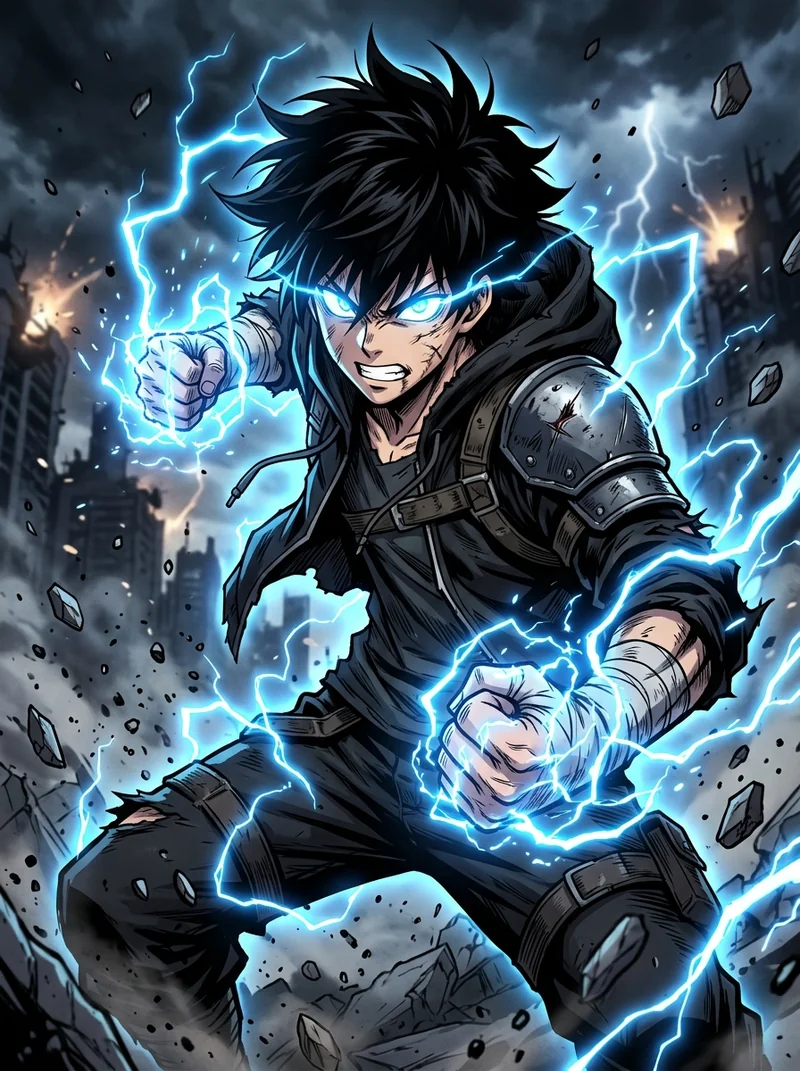
1. Dynamic Shonen Action Hero with Electric Lightning Aura
High-octane combat frames require strong silhouette definition and dynamic energy effects. By combining spiky hair physics with crackling azure electricity and concrete debris, this prompt produces keyframe energy reminiscent of modern studio battle sequences.
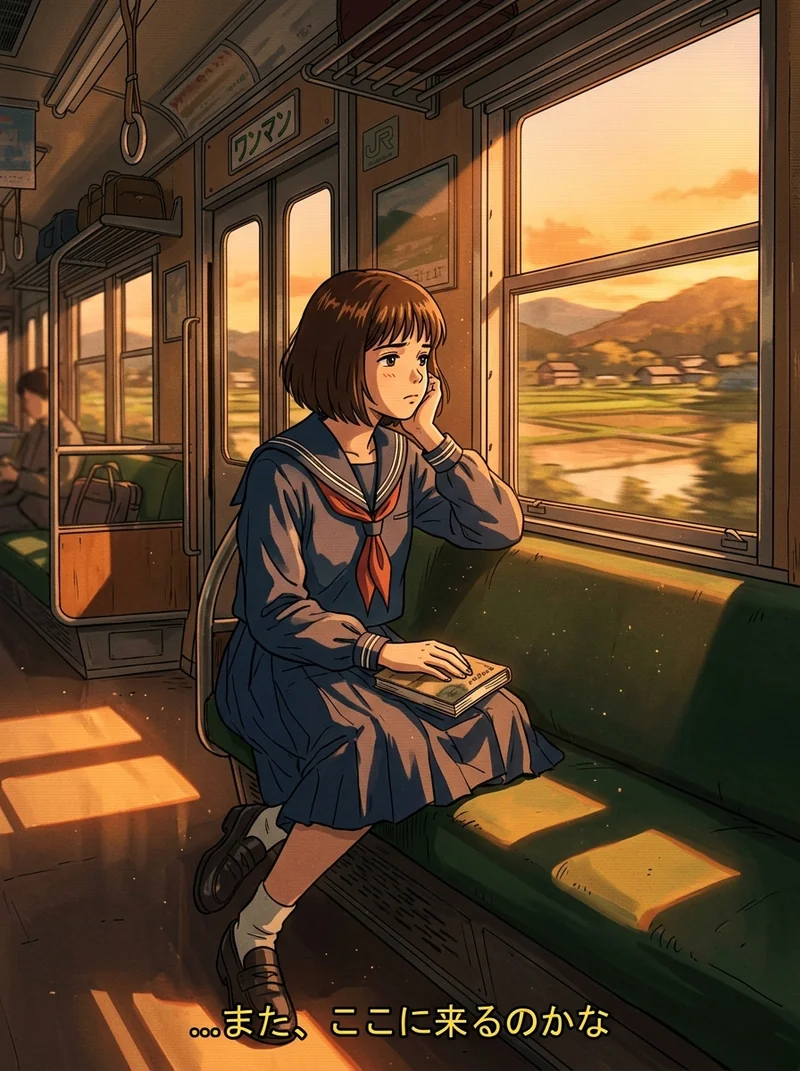
2. Retro 90s Vintage Cel Anime Schoolgirl in Sunset Train
Nostalgic 1990s anime aesthetics require stripping away modern digital sheen. If you want to explore more retro cel compositions and vintage manga coloring, check out our comprehensive guide to 90s Anime AI Prompts. Appending raw style and specifying gouache backgrounds delivers an authentic vintage CRT broadcast look with soft grain and warm passenger car lighting.
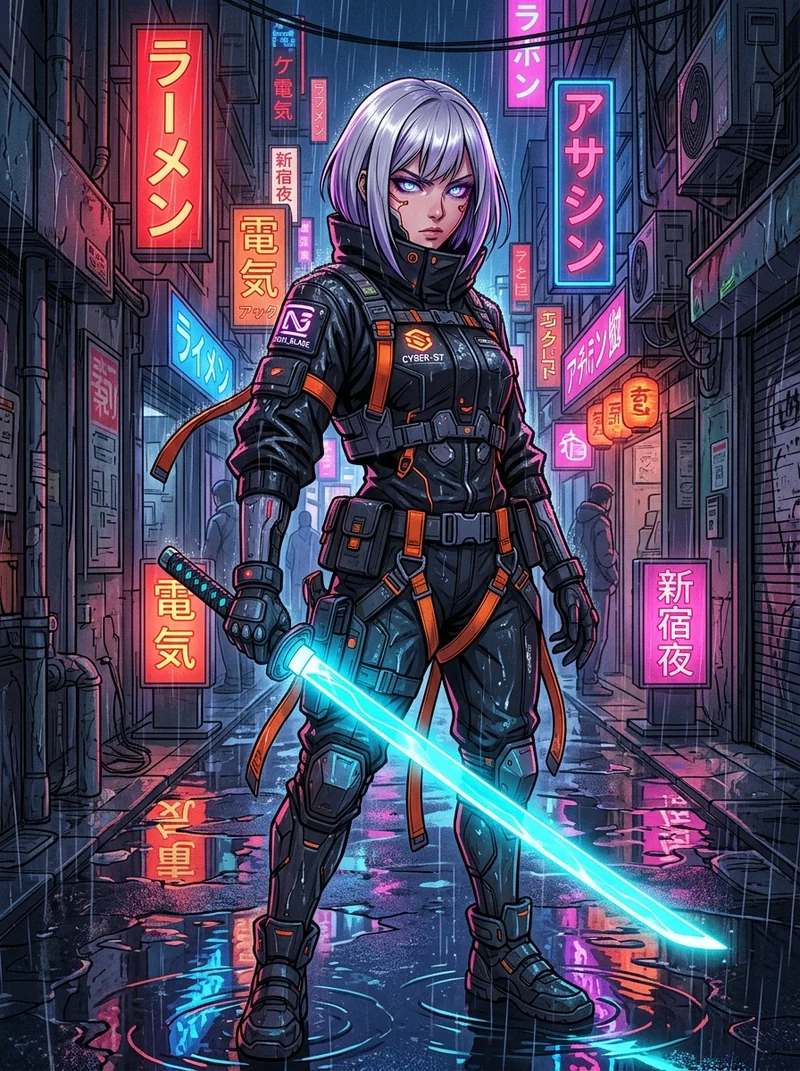
3. Cyberpunk Techwear Assassin with Glowing Holographic Katana
Urban futuristic anime settings rely on contrasting reflective surfaces against dark matte textiles. This setup pairs an aerodynamic tactical suit with wet asphalt rain reflections and a vibrant translucent energy blade.
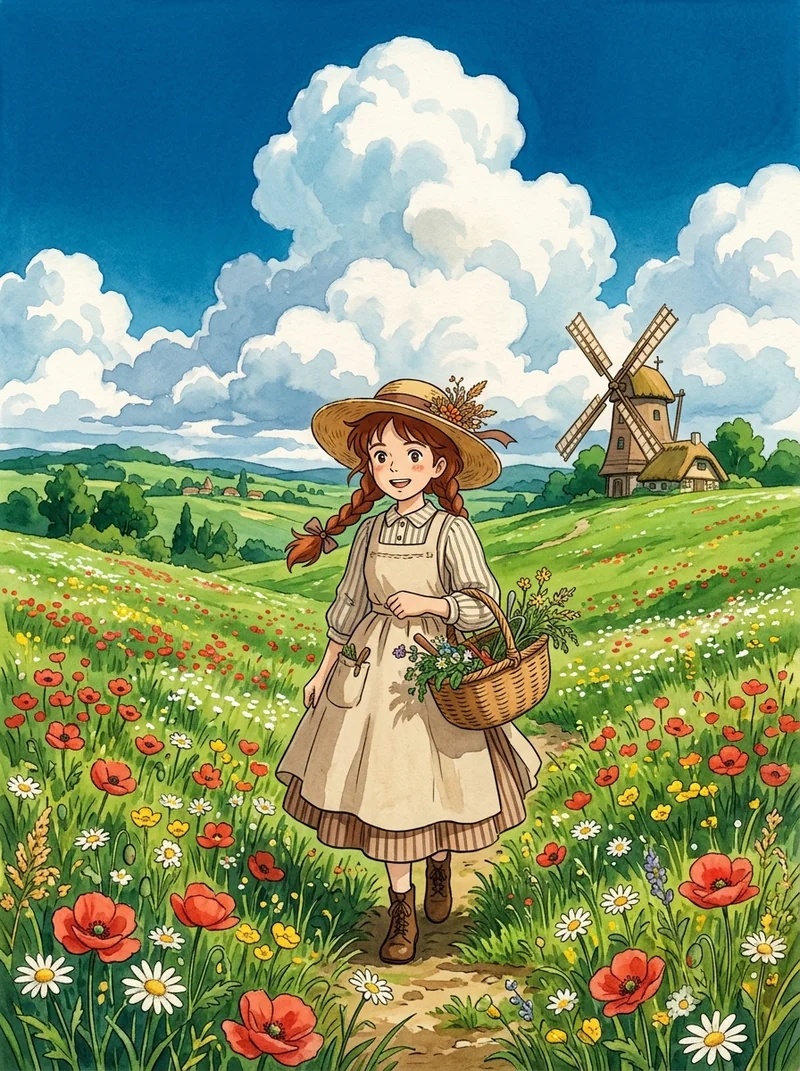
4. Studio Ghibli Pastoral Fantasy Herbalist in Wildflower Meadow
Evoking the warmth of Hayao Miyazaki works demands organic, hand-crafted watercolor cues. If you love calm, storybook aesthetic spaces, take a look at our curated Cozy Anime Bedroom Prompts. Specifying braided hair, straw hats, and rolling grassy pastures with turning windmills yields a timeless storybook frame.
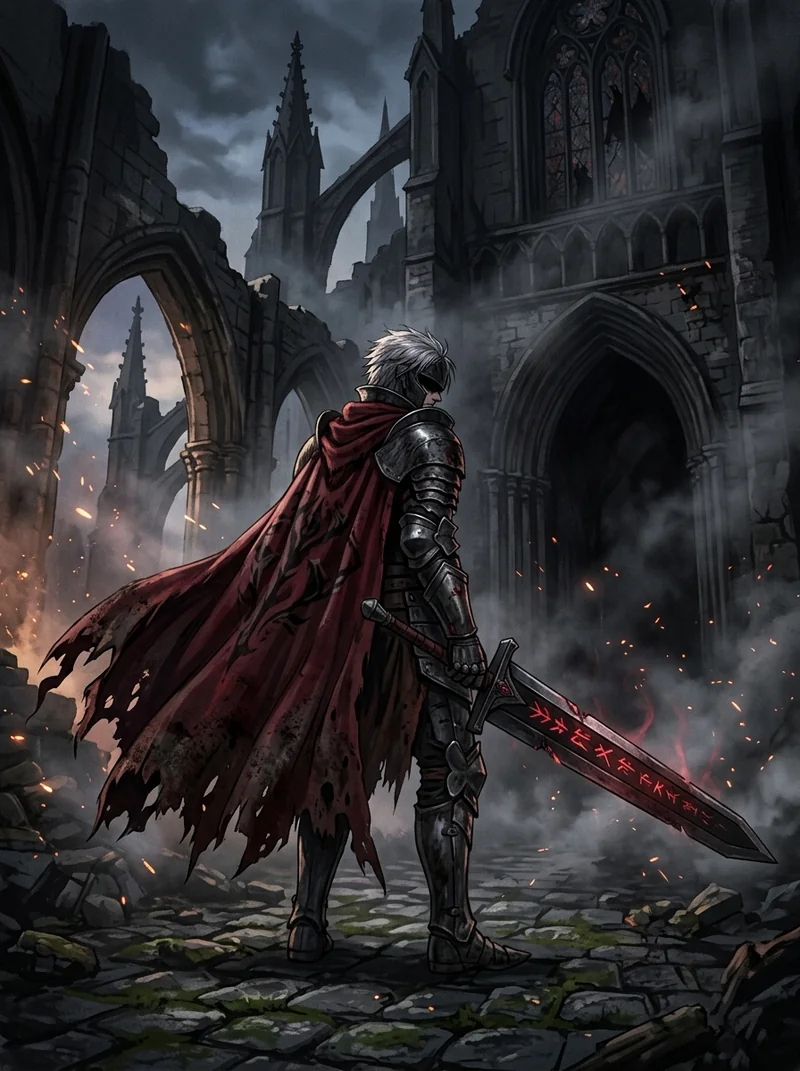
5. Dark Fantasy Gothic Knight with Glowing Runic Greatsword
Dark fantasy anime calls for dramatic chiaroscuro and atmospheric decay. For an expansive showcase of eldritch warriors, vampire lords, and cursed knights, see our dedicated Dark Fantasy Anime AI Prompts collection. Incorporating ruined gothic arches, tattered velour cloaks, and crimson blade engravings channels a brooding heroic presence.
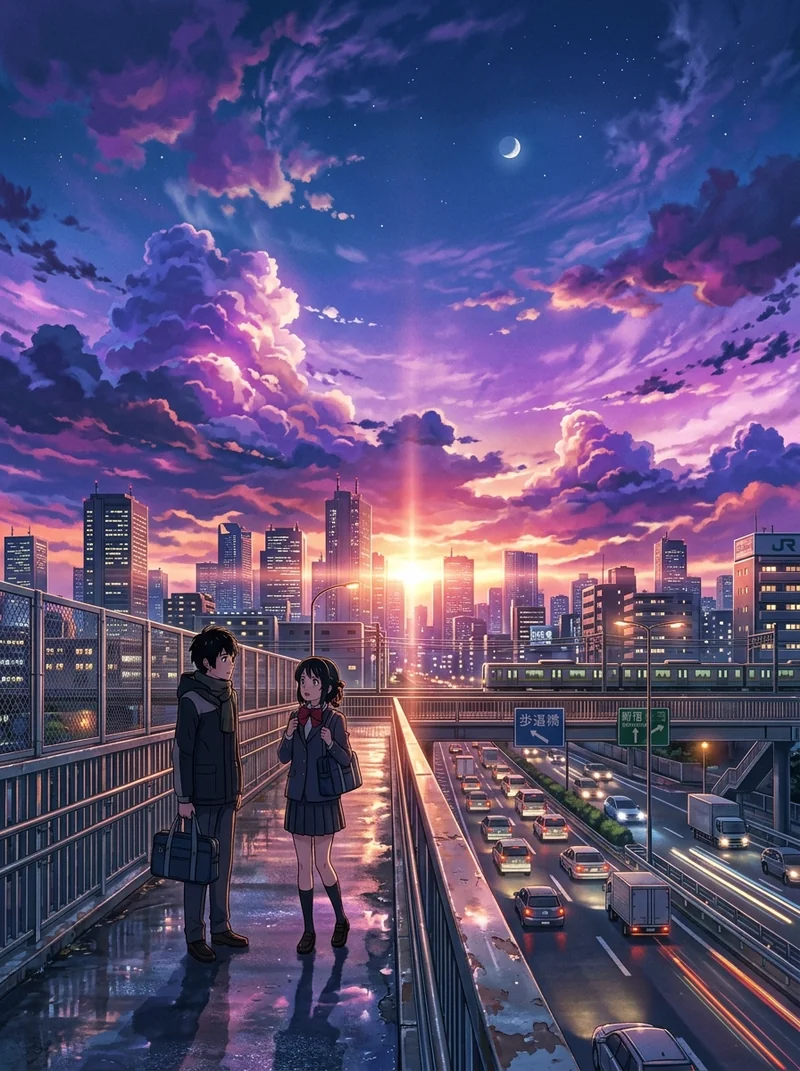
6. Makoto Shinkai Twilight Highway Overpass at Sunset
Luminous atmospheric scattering defines Makoto Shinkai productions. Directing the model to balance towering twilight cumulonimbus formations with low-angle golden sun flares creates a sense of scale and longing.
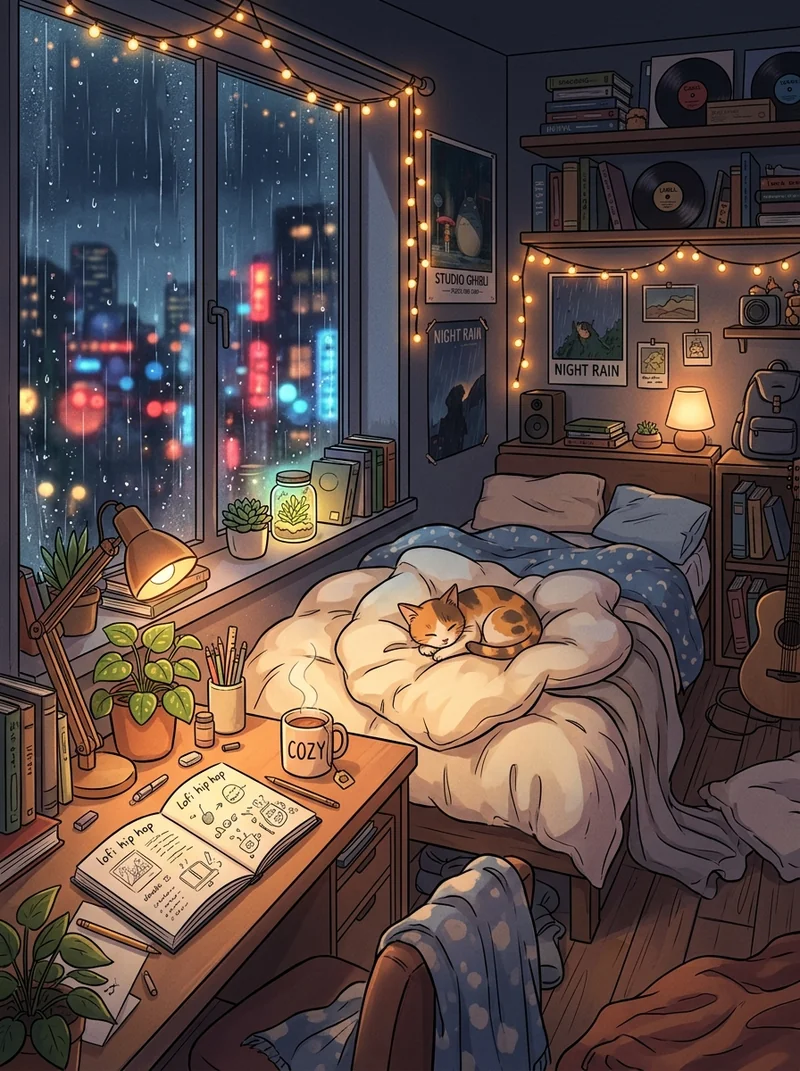
7. Cozy Lofi Rainy Shinjuku Anime Bedroom with Sleeping Cat
Cozy lofi interiors rely on warm indoor light sources contrasting against stormy weather outside. Steaming beverages, glowing string lights, and blurred raindrops build immediate emotional intimacy.
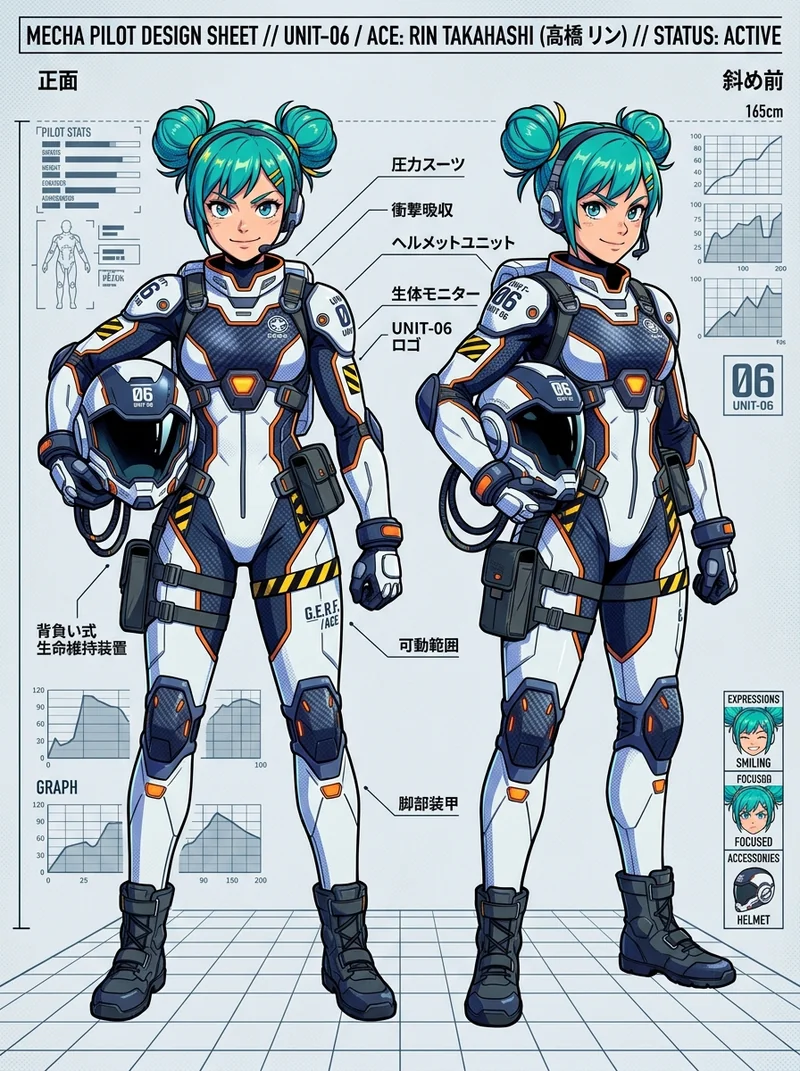
8. Sci-Fi Mecha Pilot Full Body Turnaround Character Sheet
Character design sheets are invaluable for animators and 3D modellers. Specifying front and three-quarter angles alongside technical blueprints and flight suit callouts forces Niji to structure an official anime production model sheet.
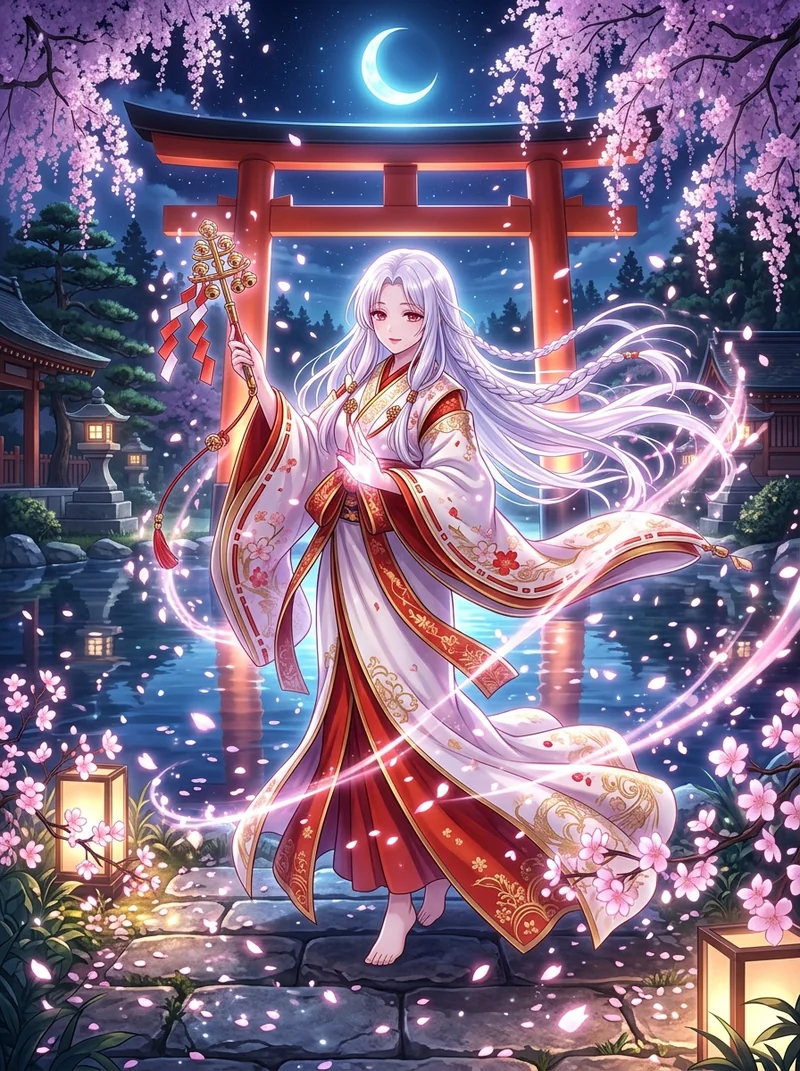
9. Ethereal Moonlight Shrine Priestess with Floating Cherry Blossoms
Japanese mythology and folklore aesthetics excel with high-contrast backlighting and particle dynamics. Positioning a vermilion torii gate behind lunar reflections creates spiritual depth and fluid textile motion.
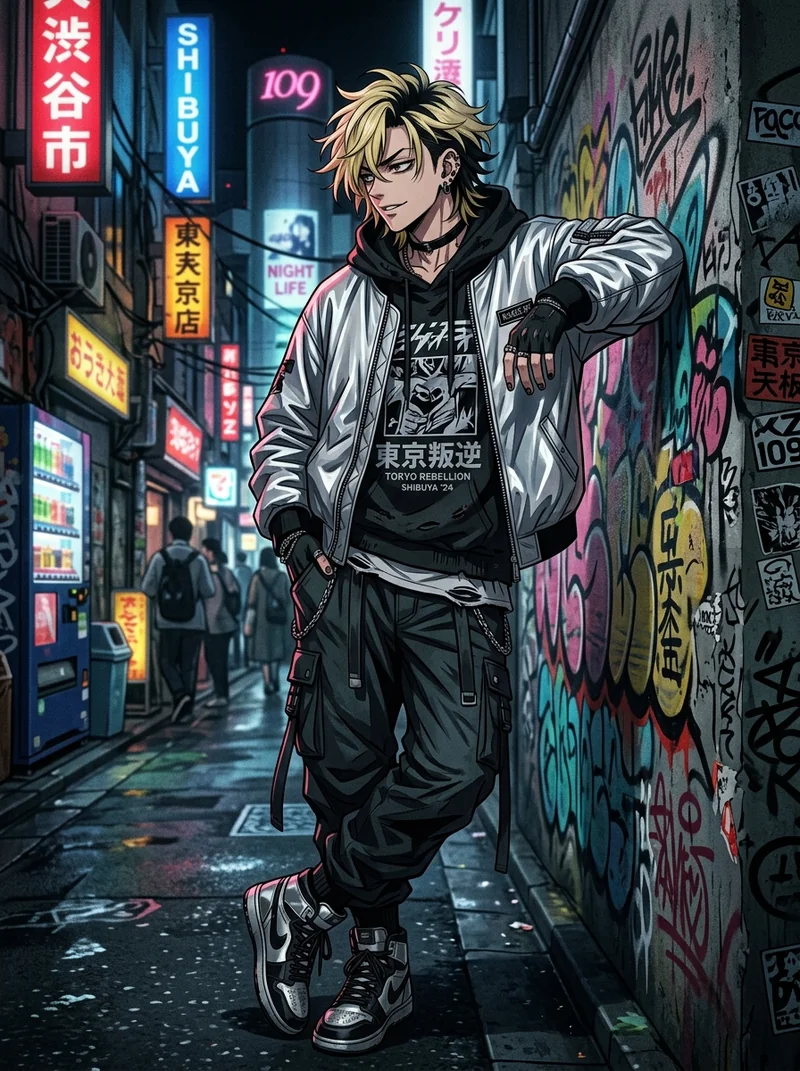
10. Shibuya Streetwear Delinquent in Oversized Puffer Jacket
Modern youth culture in Tokyo pairs loose streetwear silhouettes with gritty urban back alleys. Combining metallic bomber textures, pierced accessories, and authentic spray graffiti gives this character rebellious metropolitan edge.
How to Use Niji 7 Prompts in Midjourney (Step-by-Step Guide)
Deploying Niji 7 prompts accurately ensures that Midjourney bypasses its default standard photo engine and engages the dedicated Spellbrush anime neural weights:
Step 1: Activate the Niji Model: In Discord, type /settings and select Niji Version 7. If you generate prompts manually without global settings, simply add the parameter --niji 7 to the very end of your prompt line.
Step 2: Balance Stylize Values (--s): By default, Midjourney uses a stylize value of --s 100. Lowering this value to --s 50 forces the model to adhere strictly to your prompt words, which is ideal for character turnaround sheets. Increasing to --s 250 introduces elaborate background detail and dramatic lighting flourishes.
Step 3: Preserve Character Consistency with --cref: When building serialized manga, use Character Reference. Once you generate a character you love, copy their image URL and append --cref [IMAGE_URL] to your subsequent prompts. Use --cw 20 if you want the character to wear different clothing across scenes while retaining their identical face and hairstyle.
Comparing Anime Styling with Realism Prompts
While Niji 7 specializes in cel shading, 2D line language, and dynamic anime keyframes, creating authentic human portraits requires a completely different optical strategy. If you need raw skin textures, 85mm prime lens compression, and studio softbox setups, explore our companion masterclass:
Read 15 Best Midjourney Prompts for Realistic Images →Frequently Asked Questions About Midjourney Niji Prompts
What is the difference between Midjourney Niji 6 and Niji 7?
Midjourney Niji 7 introduces literal prompt comprehension, enhanced line language, and superior spatial awareness compared to Niji 6. While Niji 6 often applied an automatic painterly wash, Niji 7 strictly follows subject hierarchies, separates foreground lineart from background lighting, and renders hands, equipment, and clothing folds with anime studio precision.
How do I activate the Niji 7 anime model in Midjourney?
In Discord, append the parameter --niji 7 to the end of any /imagine prompt. Alternatively, type /settings in Discord and click the Niji 7 button. On the Midjourney Web interface, navigate to the settings panel on the generation bar and toggle the anime model to Niji Version 7.
Should I use --style raw with Midjourney anime prompts?
Yes, appending --style raw with --niji 7 is ideal when you desire a flatter, classic hand-drawn 1990s cel animation aesthetic. Without raw mode, Niji applies modern 3D lighting, high saturation, and digital gloss. Raw mode neutralizes this bias to create authentic vintage manga screengrabs.
How do I keep anime characters consistent across multiple prompts?
Use the Character Reference parameter --cref followed by the image URL of your generated character. You can control reference fidelity using --cw (character weight) from 0 to 100, where --cw 100 copies facial features and outfit, while --cw 0 focuses strictly on facial structure so you can change outfits easily.
What are the best aspect ratios for anime AI wallpapers?
For mobile anime wallpapers and phone lockscreens, use --ar 9:16 or --ar 3:4. For desktop anime wallpapers, YouTube background art, or widescreen cinematic keyframes, use --ar 16:9 or --ar 21:9.
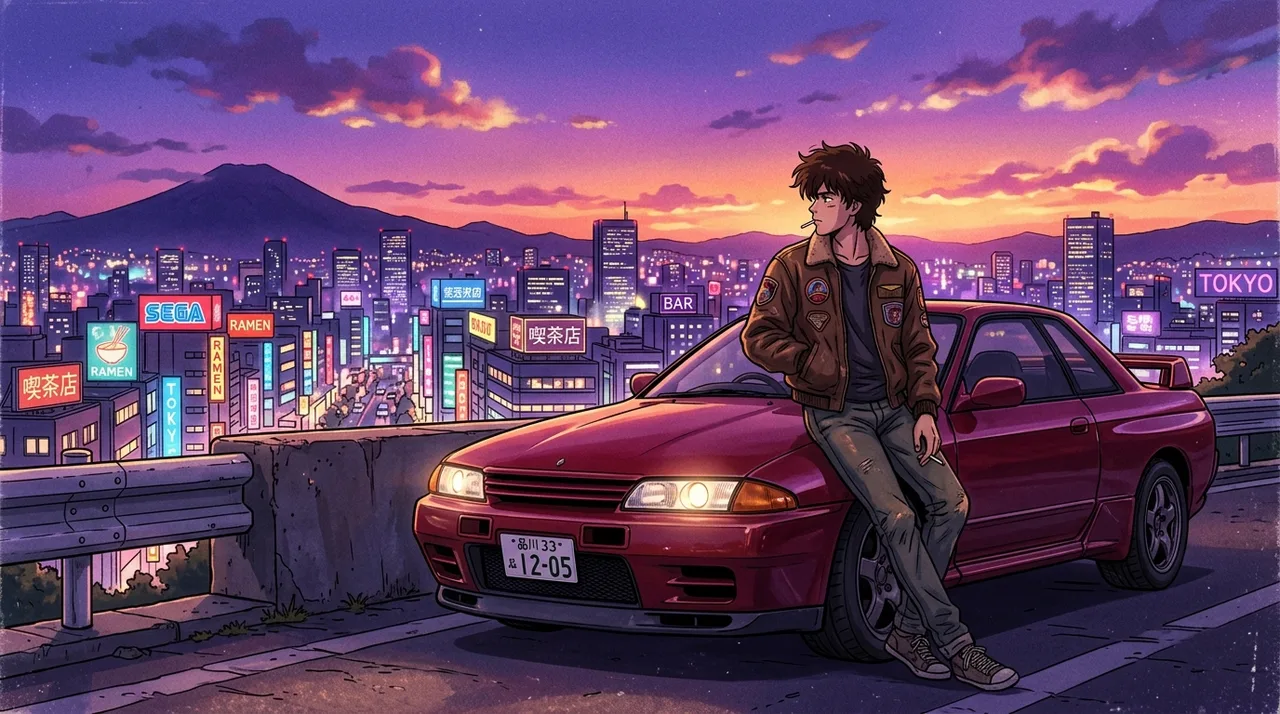
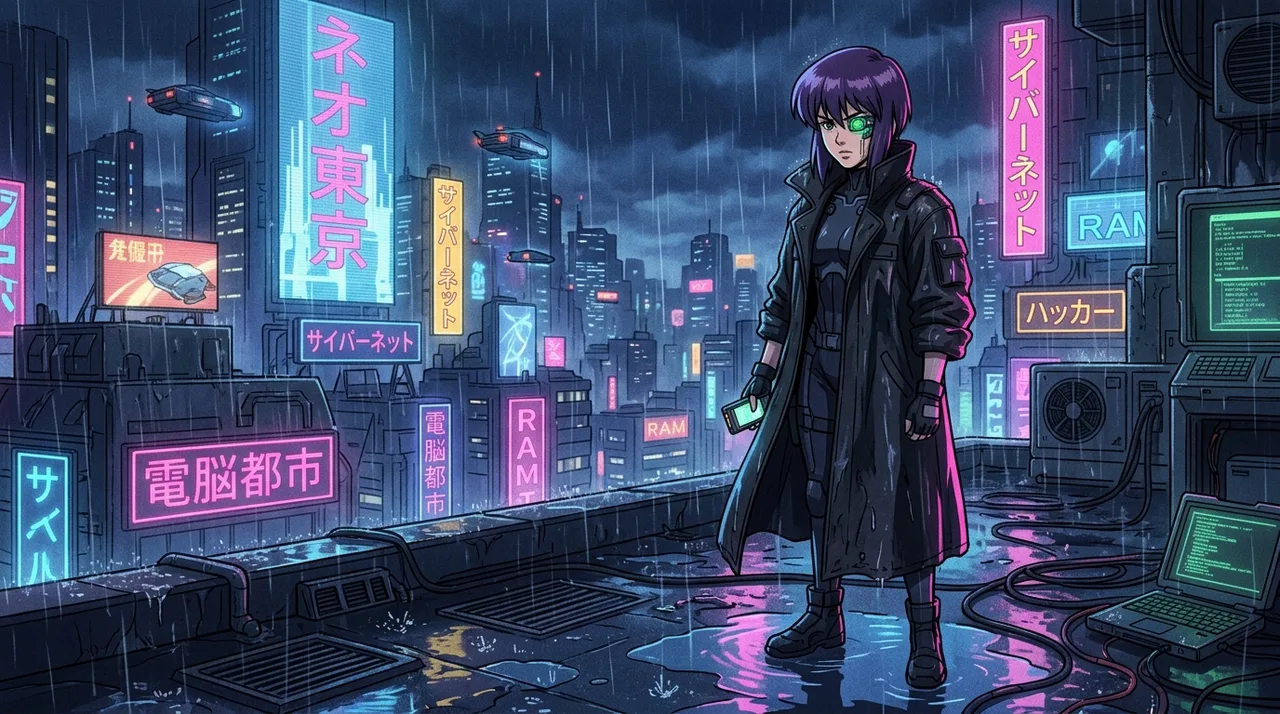
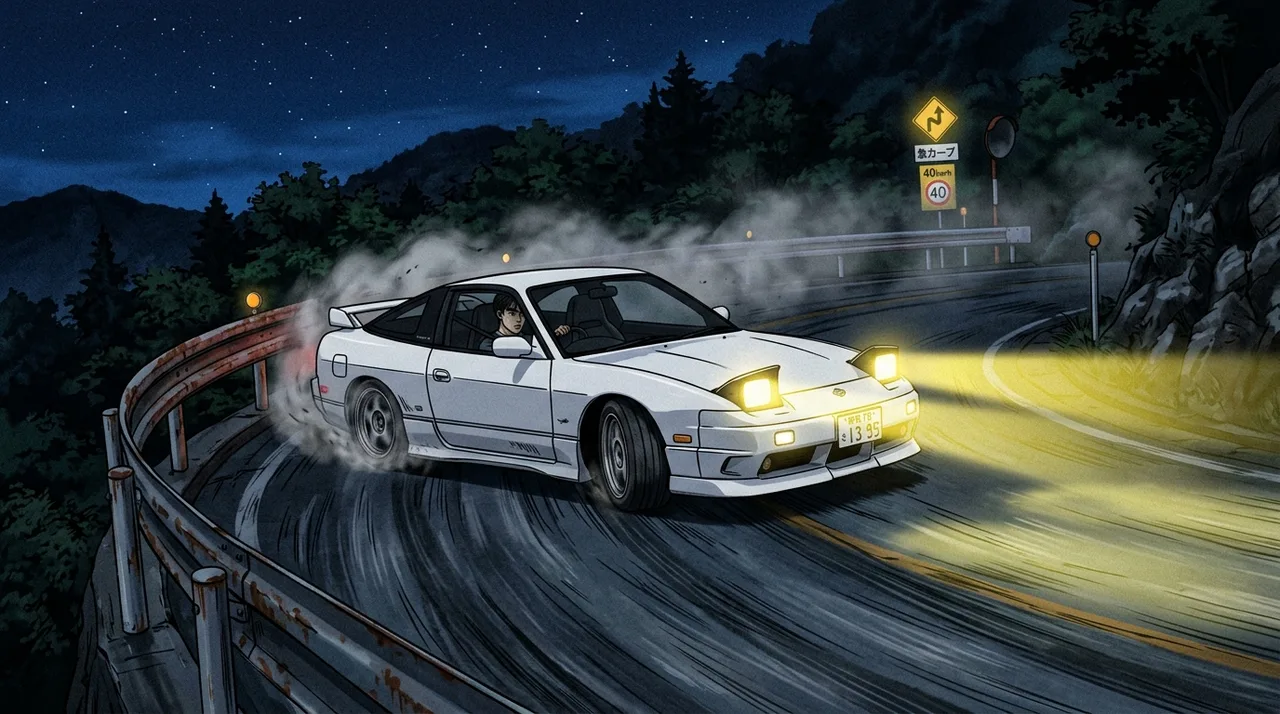
Aesthetic Anime Prompts: 10 Tested Formulas for ChatGPT & Midjourney
Master cozy lo-fi scenes, cyberpunk city rain, Ghibli skies, and retro cel aesthetics with production-ready prompt formulas designed for ChatGPT and Midjourney.
 Sandip Barman
90s Anime AI Prompts: 10 Vintage Aesthetic Prompts for Midjourney & Niji
Recreate nostalgic hand-painted cel animation, retro mecha cockpits, and VHS tape grain with authentic 1990s prompts.
Sandip Barman
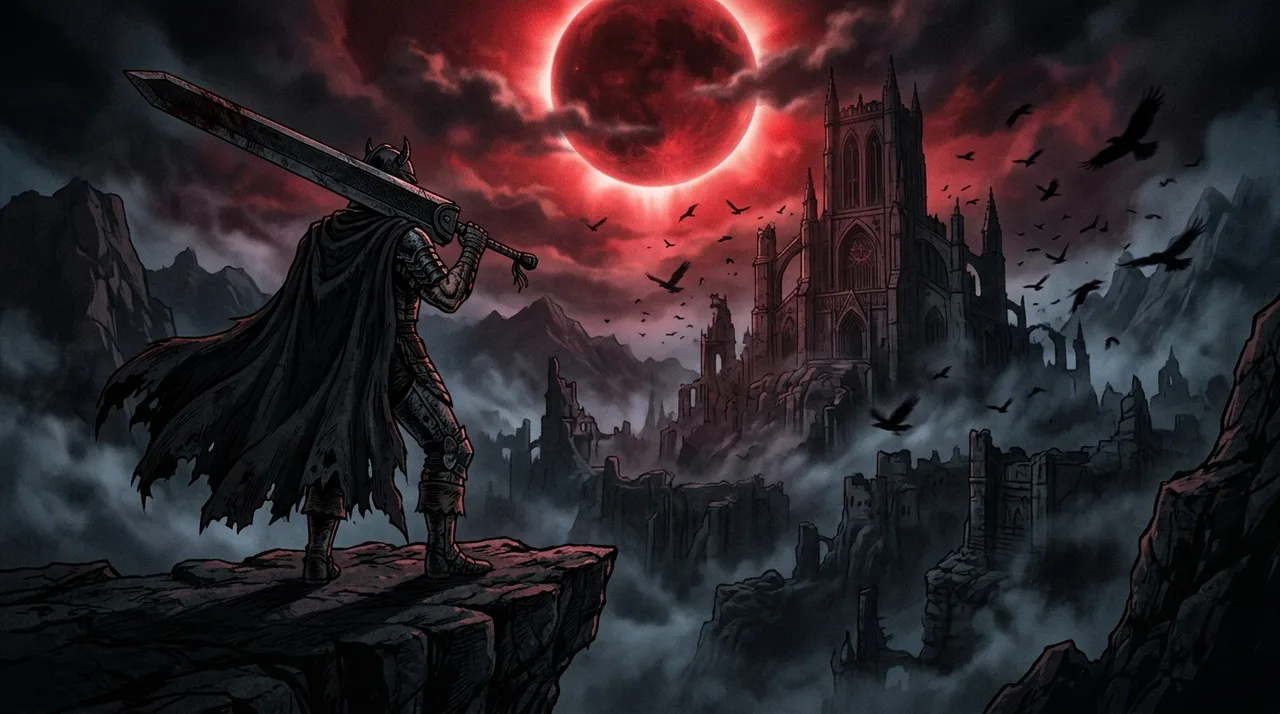
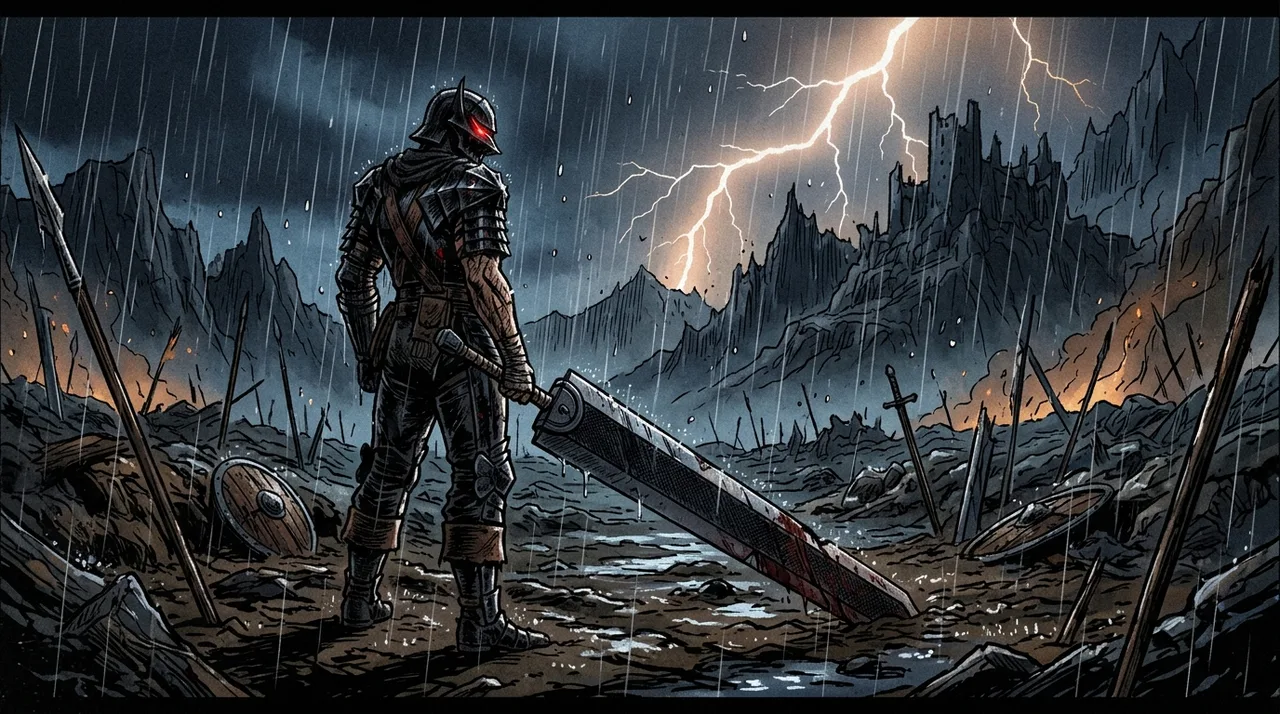
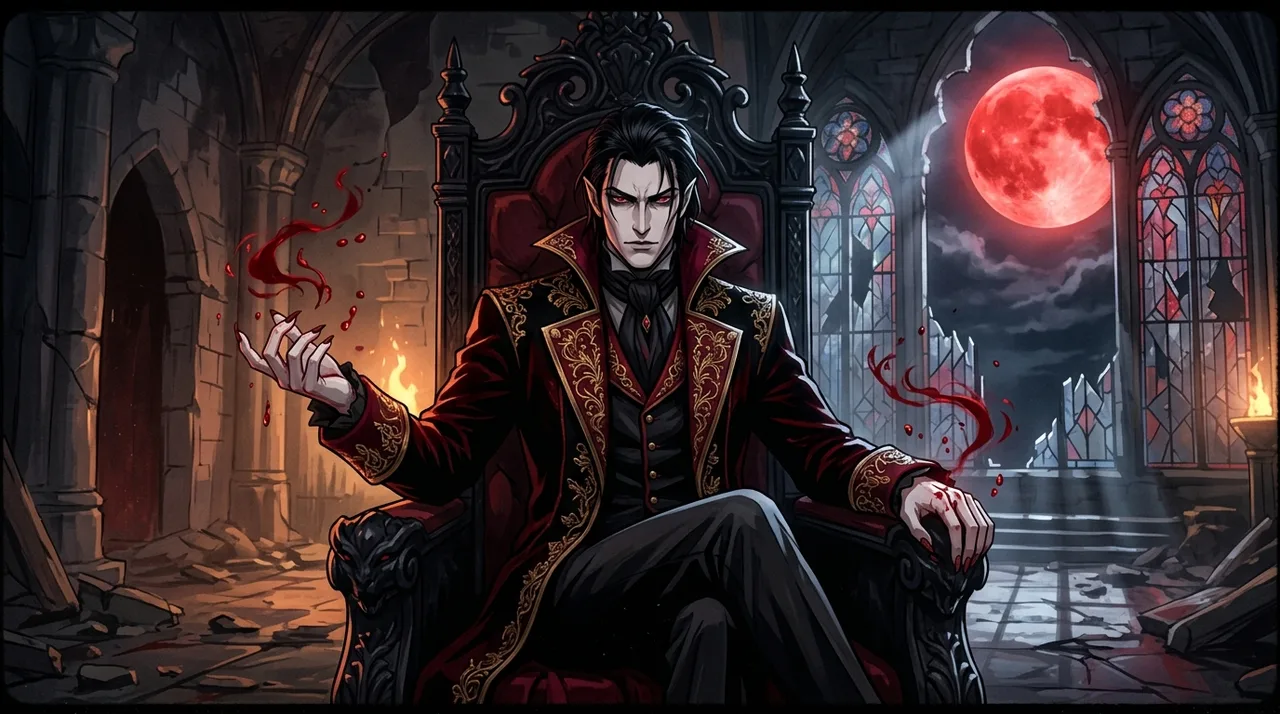
Dark Fantasy Anime AI Prompts: 10 Grimdark & Gothic Prompts
Generate brooding dark fantasy warriors, crimson eclipse vampires, and ruined gothic cathedrals with dramatic chiaroscuro lighting.
Sandip Barman