
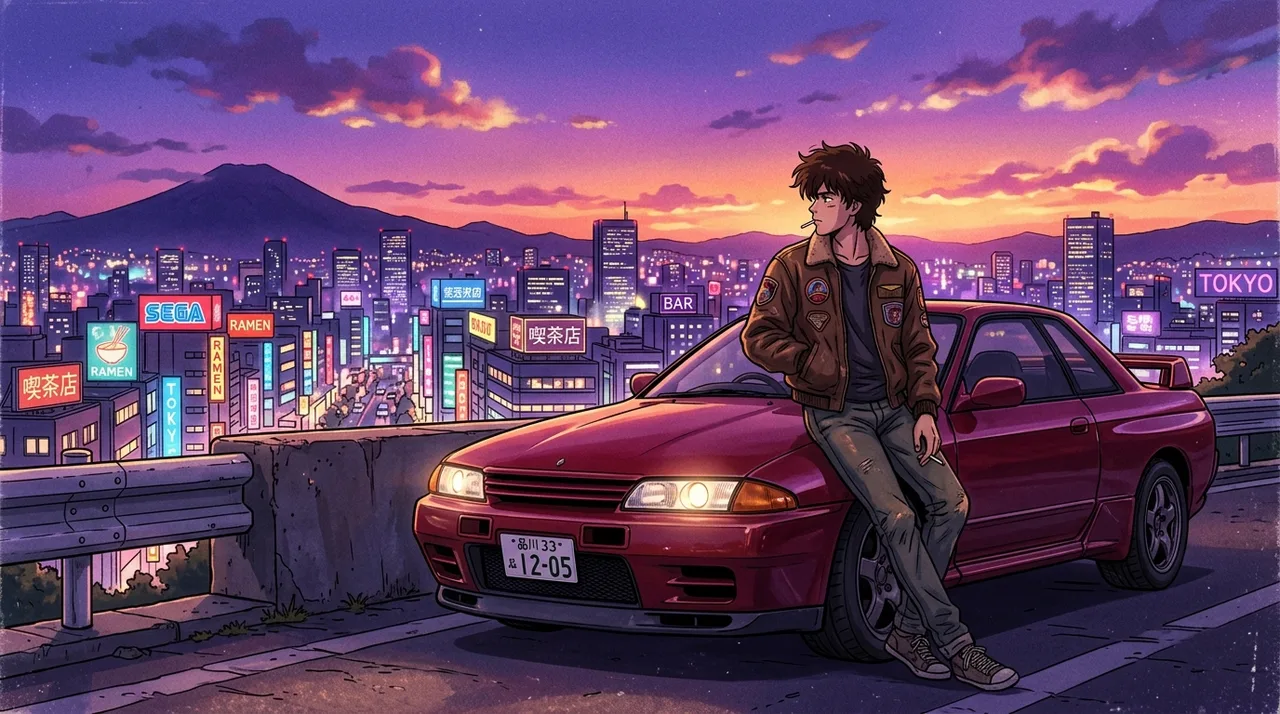
Modern digital anime has grown remarkably sharp and hyper-rendered, but millions of fans and digital creators still yearn for the warmth, emotional weight, and tactile texture of 1990s Japanese animation. From the dark neon alleys of cyberpunk classics like Akira and Ghost in the Shell to the melancholic dusk skies of Cowboy Bebop and the dreamy pastels of Sailor Moon, the 90s represented the pinnacle of physical hand-drawn cel animation.
When most creators attempt to generate anime imagery in Midjourney v6.1 or ChatGPT DALL-E 3, the AI often produces generic 3D glossy CGI with sterile gradients. Achieving an authentic vintage screengrab aesthetic requires prompting for physical media artifacts: hand-inked line variation, two-tone cel shading, gouache watercolor backgrounds, and 35mm film grain. While our previous guide covered modern Niji anime styles and turnaround character sheets, this collection focuses exclusively on vintage 1990s OVA aesthetics.
10 Tested 90s Anime AI Prompts
Each prompt formula below has been calibrated to generate period-accurate 1990s visuals. You can paste these directly into ChatGPT Plus, Midjourney (with --ar 16:9 --niji 7 or --v 6.1), or Google Gemini Imagen 3.
1. Cyberpunk Neon City Hacker (Neo-Tokyo Night)
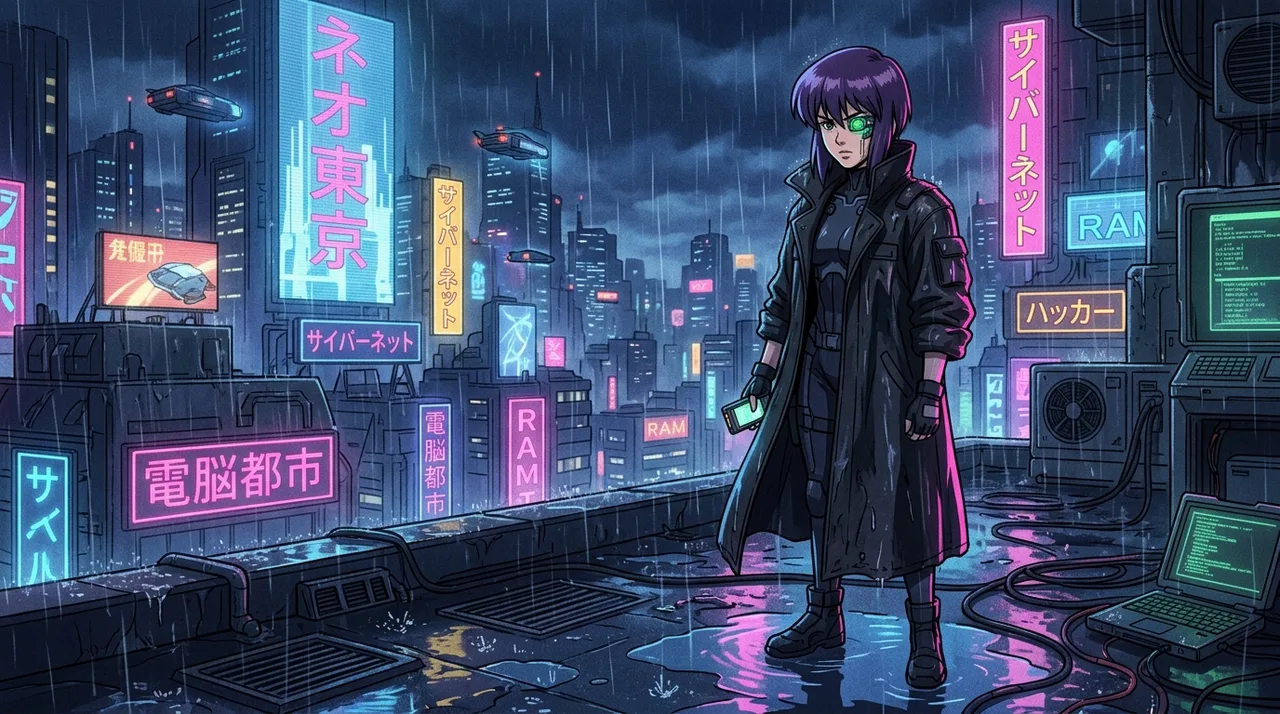
Inspired by Ghost in the Shell and classic dark sci-fi OVAs. Features high-contrast neon illumination reflected in wet asphalt, dark trenchcoat silhouettes, and tactile rainy rooftop atmosphere.
2. Midnight Touge Drifter (Initial D Mountain Pass)
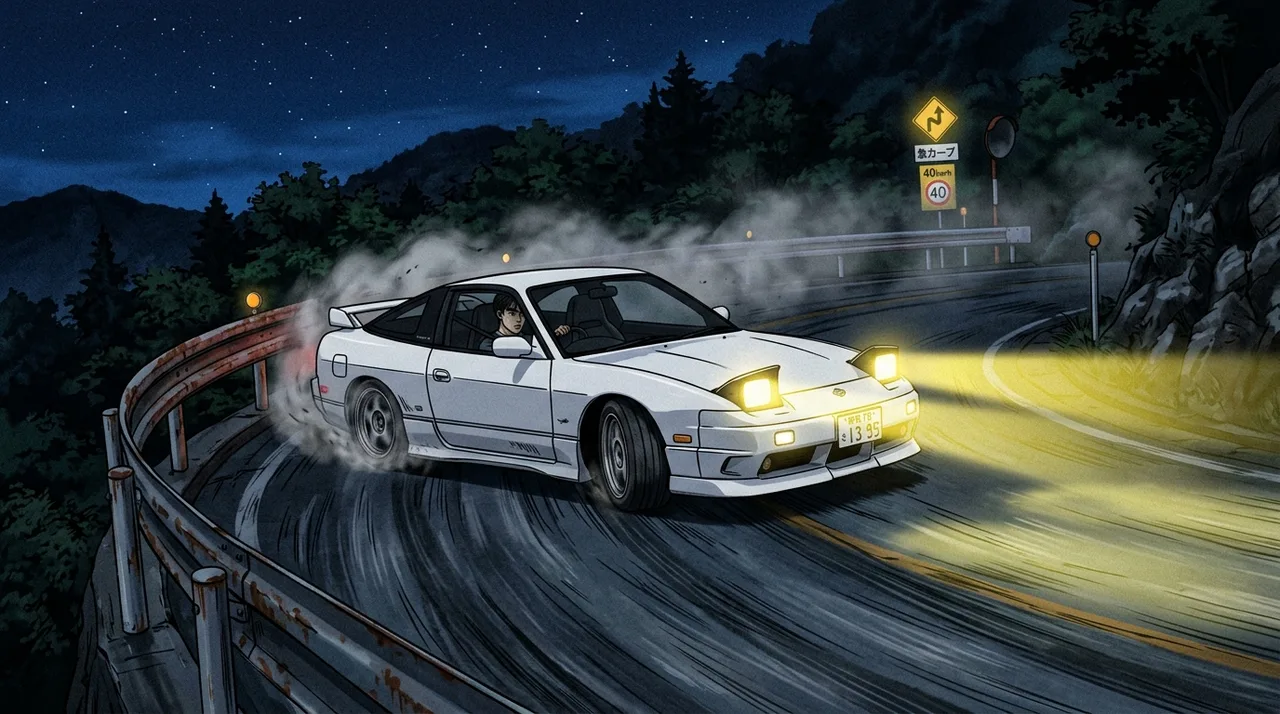
Captures the high-octane excitement of 90s street racing anime. Pop-up headlights, drifting tire smoke, motion blur on asphalt, and steep mountain guardrails under a starry sky.
3. Nostalgic Rainy Train Commute (Lo-Fi Walkman Vibe)
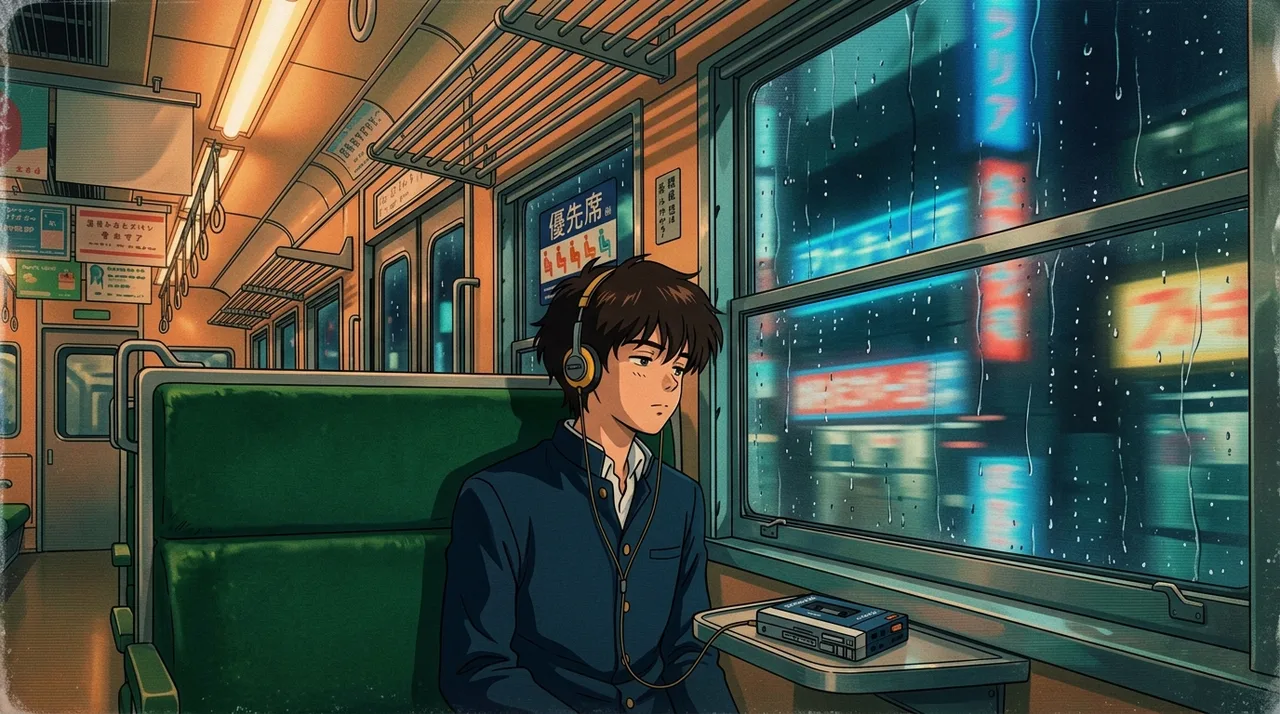
A peaceful slice-of-life scene with retro headphones, a cassette player on the small train table, gentle raindrops on the window, and warm overhead amber light reflecting on green velvet seats.
4. Giant Mecha Hangar Sortie (Evangelion Scale)
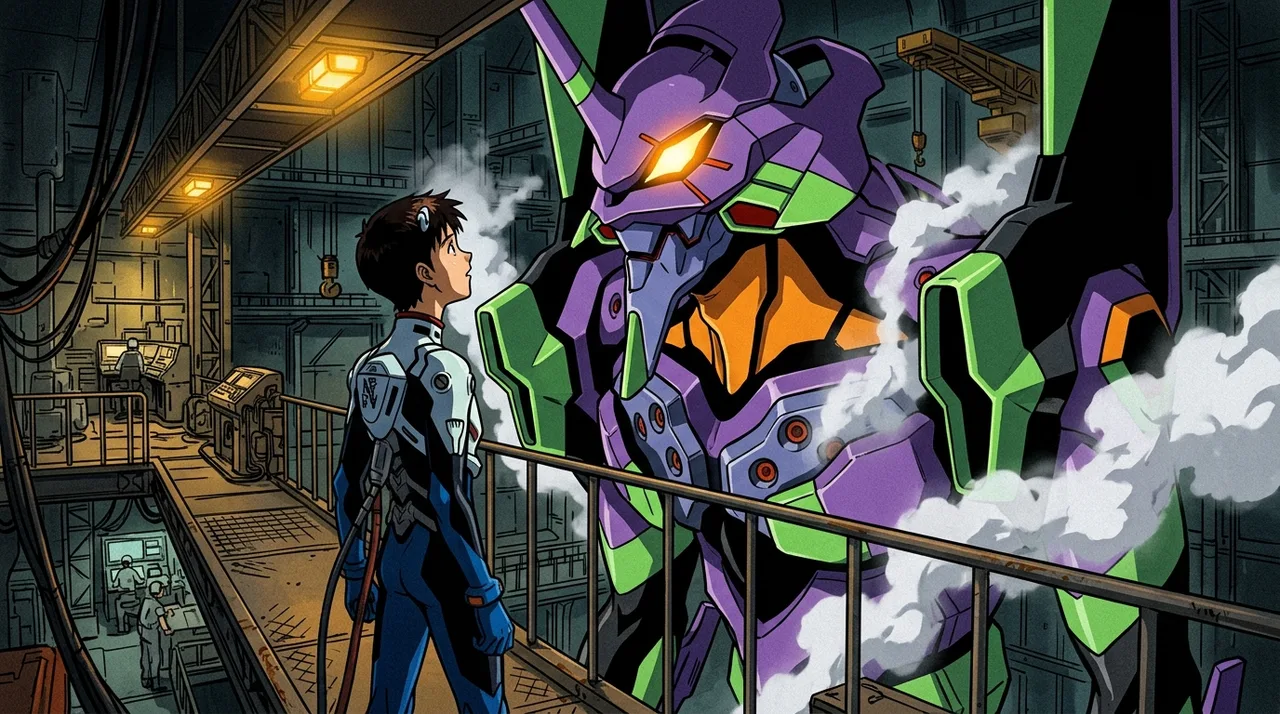
Massive industrial scale featuring a pilot in a form-fitting plugsuit on an overhead gantry, towering robotic head with glowing visors, hydraulic venting steam, and dramatic emergency spotlights.
5. Space Bounty Hunter Lounge (Cowboy Bebop Jazz Noir)
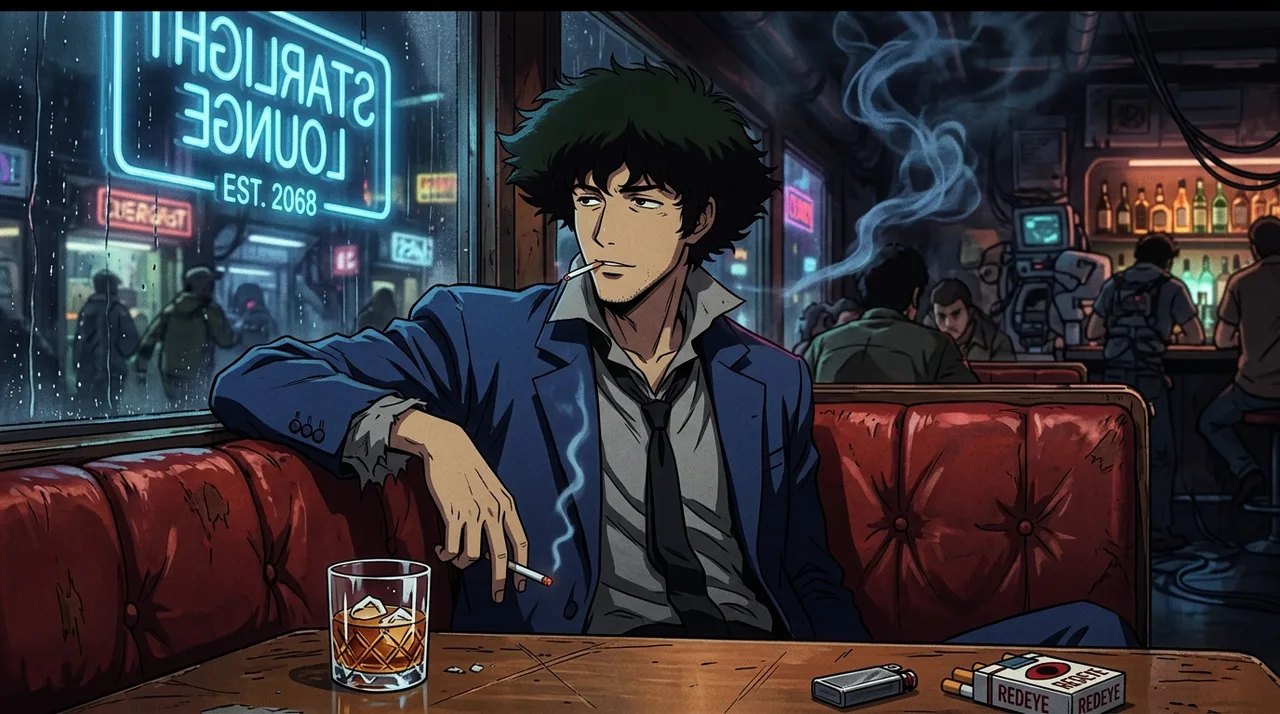
Quintessential space western atmosphere. A rumpled blue suit, loosened necktie, smoky jazz diner booth, and neon rain visible through the glass of an orbital space station lounge.
6. Magical Girl Golden Sunset (90s Shoujo Aesthetic)
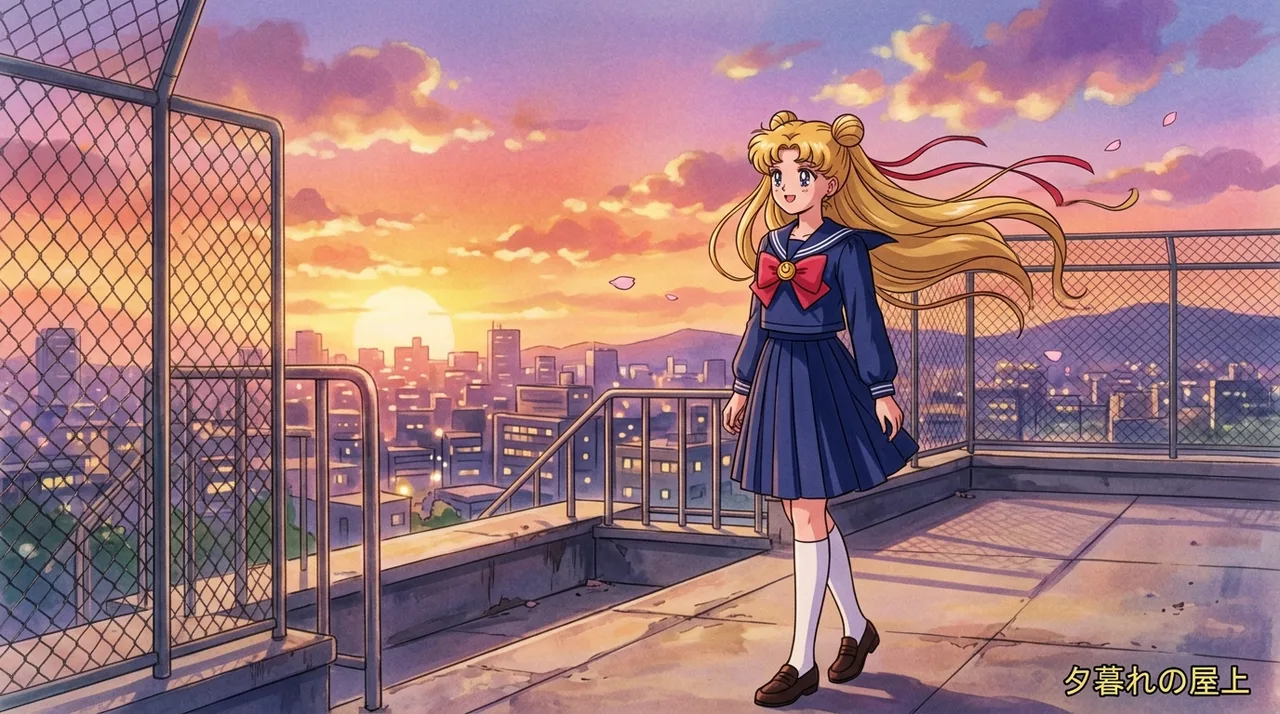
Dreamy, nostalgic shoujo style reminiscent of Sailor Moon. Classic sailor uniform, twin buns with long floating ribbons, chain-link school rooftop fence, and a brilliant golden-pink sunset sky.
7. 90s Midnight Convenience Store (Tokyo Alleyway)
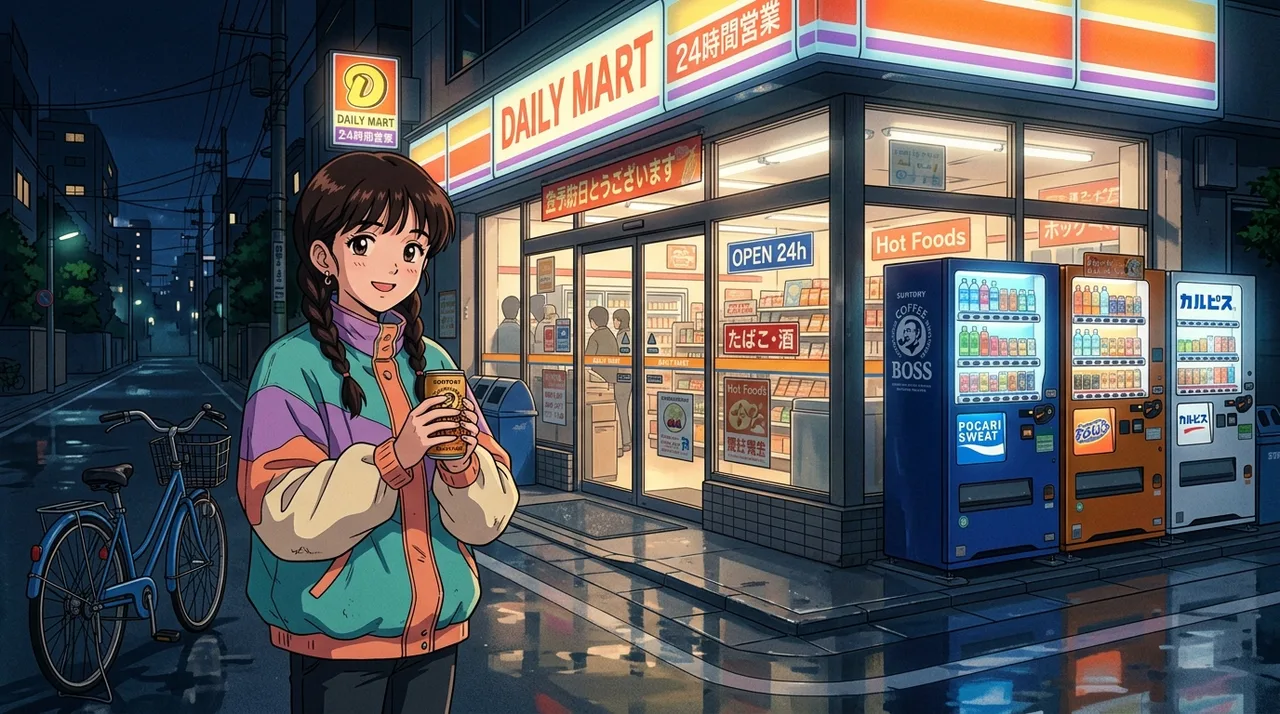
The ultimate lo-fi aesthetic wallpaper. An illuminated 24-hour storefront, classic drink vending machines glowing in royal blue, damp pavement reflections, and an oversized 90s retro windbreaker.
8. Steampunk Airship Navigator (Ghibli Sky Adventure)
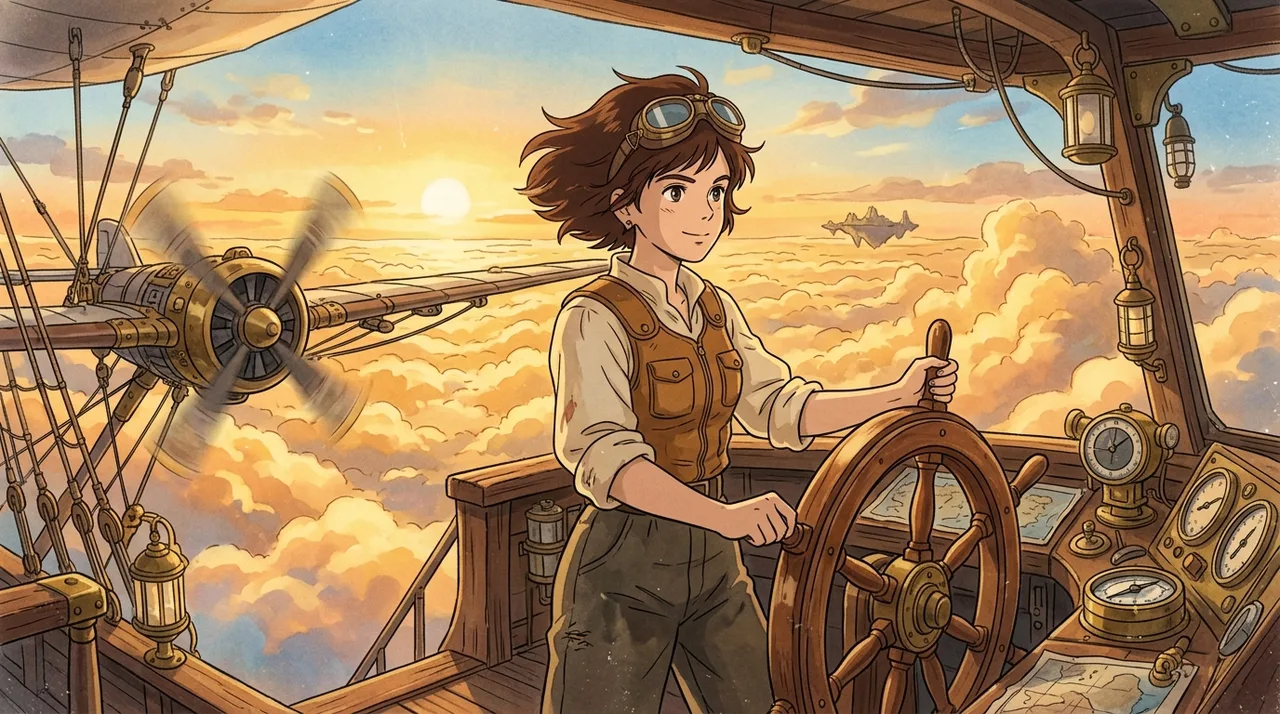
Breathtaking hand-painted watercolor clouds, brass aviation gauges, leather flight goggles, and wooden ship helms inspired by classic Hayao Miyazaki adventure films like Castle in the Sky.
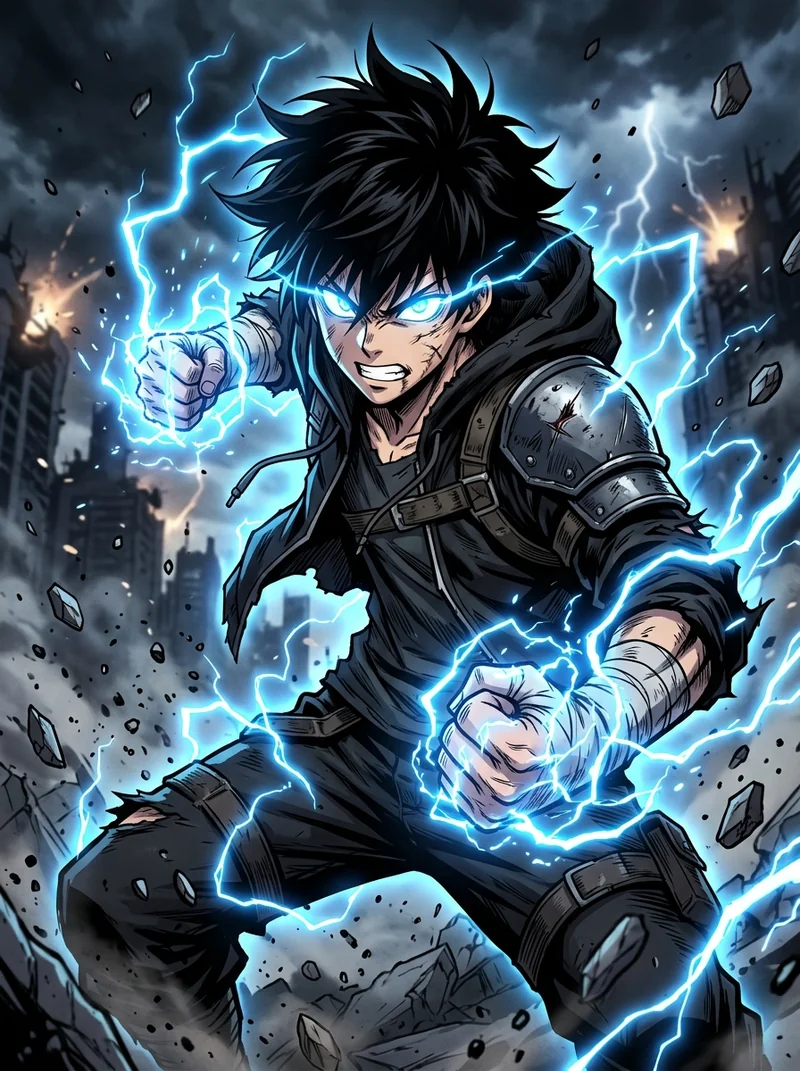
9. Shonen Spirit Fighter (Tournament Arena Battle)
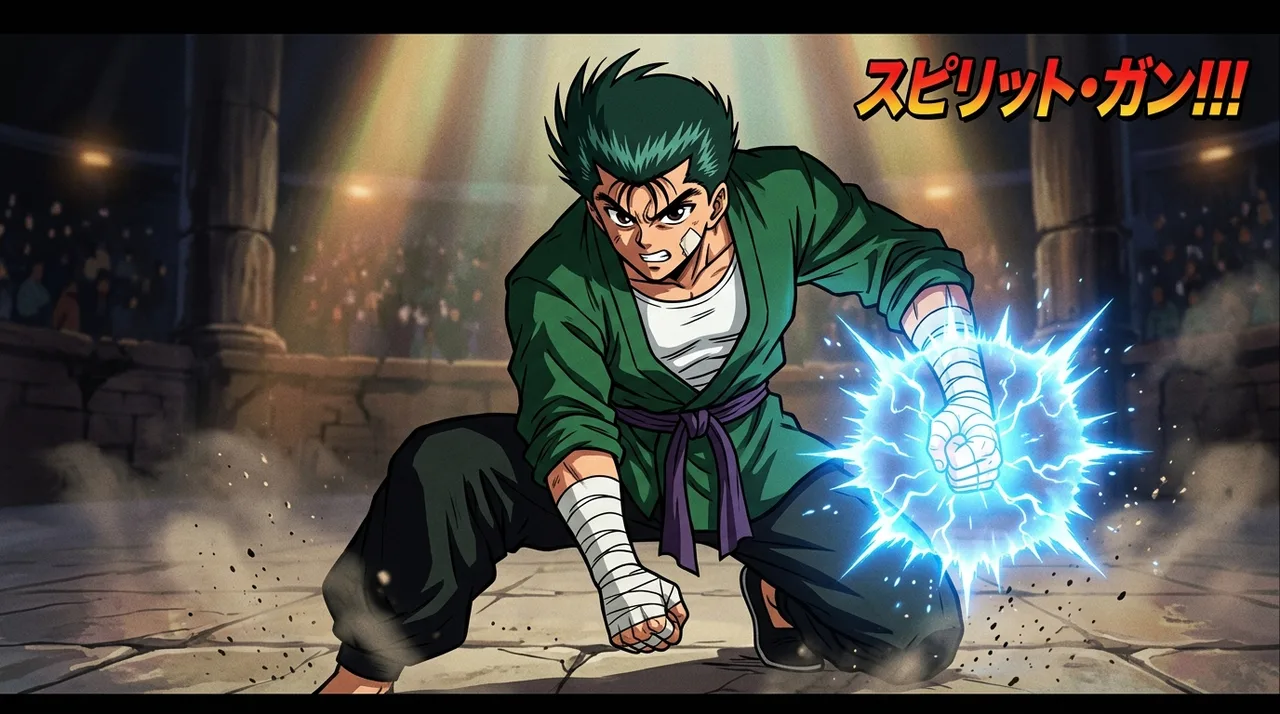
Honoring the golden era of martial arts battle anime like Yu Yu Hakusho and Dragon Ball Z. Electric blue spirit energy bursting around wrapped knuckles on a cracked colosseum floor.
10. Retro CRT Terminal Hacker (Wired Cyber-Den)
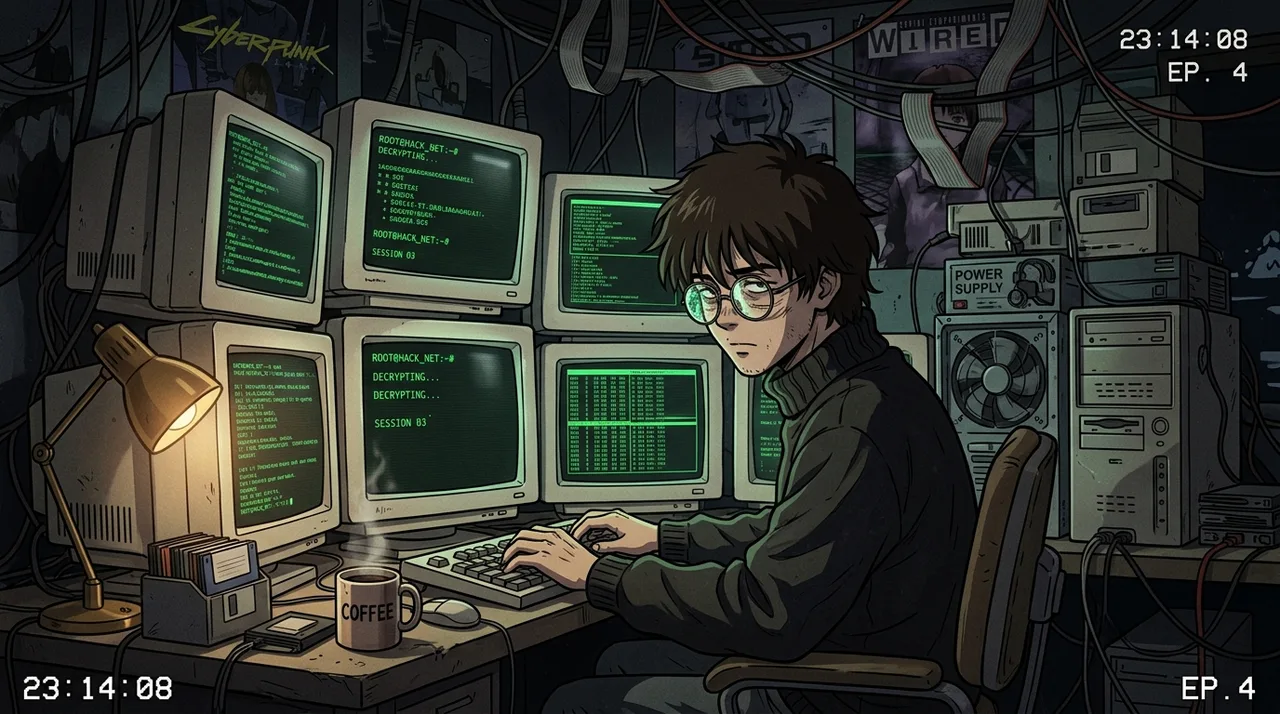
Evoking the cult atmosphere of Serial Experiments Lain. A dim bedroom cluttered with glowing green CRT terminals, hanging ribbon cables, mechanical keyboard, and steaming coffee mug.
3 Core Rules for Authentic 90s Cel Shading
AI models like Midjourney and DALL-E have been trained predominantly on modern, digitally-drawn illustrations. If you simply write "anime character", the AI automatically applies smooth airbrush gradients, hyper-detailed hair strands, and glossy 3D subsurface scattering. To strip away that modern plastic sheen and anchor your generations to the 1990s, always apply these three technical principles:
1. Trigger Physical Medium Keywords
Include technical terms like 1990s anime screengrab, cel animation, hand-inked line art, and two-tone cel shading. In the 90s, animators literally painted acrylic color onto transparent acetate sheets. Specifying cel shading instructs the AI to use distinct hard shadow edges instead of smooth 3D renders.
2. Specify Gouache & Watercolor Scenery
Legendary anime studios used physical poster color paints and gouache on heavy paper for their backgrounds. Adding phrases like hand-painted watercolor background and painterly cloud scenery creates a distinct textural contrast between the crisp inking of the character and the soft, organic background world.
3. Emphasize Era-Specific Props and Hardware
Nothing ruins vintage immersion faster than modern smartphones or flat-screen monitors. Ground your compositions in genuine 1990s material culture: portable cassette players (Walkmans), foam headphones, pop-up headlight coupes, payphones, beige CRT computer monitors, and oversized windbreaker jackets.
Midjourney vs ChatGPT for Retro Anime
Both platforms excel at 90s anime aesthetics, but their execution differs fundamentally:
Understanding 1990s Acetate Cel Photography and Optical Halation
Authentic nineties Japanese television and OVA animation looks unmistakably warmer and more tactile than modern digital anime because every single frame was physically photographed on an optical rostrum camera bench. Ink artists traced keyframes onto transparent cellulose acetate sheets, colorists painted opaque vinyl pigments on the reverse side of each sheet, and layers were stacked over hand brushed gouache backgrounds beneath heavy glass platens. Strong studio tungsten lamps shining down onto those stacked cels created microscopic drop shadows between character layers and painted backdrops, along with gentle optical halation around bright highlights like car headlights, CRT monitors, and city neon signs.
When modern AI generators produce flat vector cartoons instead of convincing retro screengrabs, the missing ingredient is almost always physical rostrum camera behavior. Including specific analog artifacts such as multiplane acetate cel shadow, subtle 35mm Eastman color negative grain, mild chromatic edge softness, and slight shadow tinting toward muted plum or deep navy immediately signals older theatrical OVA stock rather than crisp modern tablet line art.
Color gamut restraint is equally decisive. Nineties broadcast palettes relied on earthy olive greens, muted burgundy reds, warm cream whites, and desaturated slate blues rather than pure digital cyan or fluorescent magenta. Even in nocturnal sci fi skylines, vintage cel colorists surrounded bright sign lettering with warm amber or teal atmospheric haze so night scenes felt humid and grounded. Pairing two tone hard edge cel shadows on skin and jackets with slightly softer analog film grain across painted skies gives ChatGPT, Gemini, and Midjourney Niji 7 the exact visual signature of golden era OVA cinematography.
Classic OVA Framing Ratios and Telephoto Compression
Before widescreen HDTV became universal, television broadcasts used classic four by three framing while theatrical anime features and prestige OVA releases adopted wide cinema ratios. Choosing four by three instantly evokes nostalgic late night broadcast nostalgia, whereas sixteen by nine suits sweeping city skylines and mountain highway sequences. Beyond aspect ratio, nineties directors frequently simulated long 135mm telephoto lenses during quiet emotional dialogue scenes, compressing distant utility poles, vending machines, and apartment balconies tightly behind the character shoulder to heighten urban intimacy.
Frequently Asked Questions
What is the single best prompt keyword for 90s anime style?
The most effective anchor keyword is 1990s retro anime screengrab, cel shading. Pairing "screengrab" with "cel shading" signals the AI to emulate a digitized broadcast frame from an authentic animated series rather than a modern digital poster.
How do I prevent AI anime characters from looking 3D or CGI?
Avoid words like "hyperrealistic", "unreal engine", or "photorealistic". In Midjourney, use negative prompting: --no 3d render, cgi, smooth plastic skin, glossy gradient. This forces the model to render flat, hand-inked line art.
Can I use these prompts on free AI image generators?
Yes. These formulas work reliably on Microsoft Designer (DALL-E 3), Google Gemini Imagen 3, Leonardo AI, and SeaArt. For Midjourney users, appending --niji 7 will yield the highest character detail.